South African Scientists Build Smart Robots to Save Water
Young researchers in South Africa are developing breakthrough technologies like leak-detecting robots and AI-powered water monitoring systems to tackle the country's growing water crisis. Their innovations could help millions access clean water as climate change threatens supplies across Africa.
South Africa's next generation of scientists is turning water scarcity into an opportunity for innovation, and their solutions are already making waves.
Researchers from across the country will gather this September at the Academy of Science's Annual Young Scientist Conference in Mthatha to showcase game-changing water technologies. The three-day event puts young minds at the center of solving one of Africa's most pressing challenges: ensuring everyone has access to clean water and safe sanitation.
Among the standout innovations is AquaGuard, a smart robotic system that hunts down water leaks and prevents illegal connections in informal settlements where water loss hits hardest. Other teams are developing cutting-edge filters that remove pharmaceutical residues and heavy metals from drinking water, threats that traditional treatment plants often miss.
The tech gets even more impressive. Scientists are deploying artificial intelligence and satellite imaging to predict where underground water reserves are hiding and monitor supplies in real time. These digital tools could transform how communities manage their most precious resource, especially as droughts become more frequent and severe.
Climate change sits at the heart of the conference discussions. Young researchers are studying everything from extreme weather patterns to climate-smart farming techniques that help smallholder farmers grow food with less water. Projects on rainwater harvesting and seasonal river management offer practical pathways for communities to adapt to a hotter, drier future.
What makes this conference different is its focus on action, not just theory. A dedicated session challenges scientists to step into policymakers' shoes, crafting evidence-based recommendations and presenting them in simulated Cabinet briefings. The goal is bridging the gap between laboratory discoveries and laws that change lives.
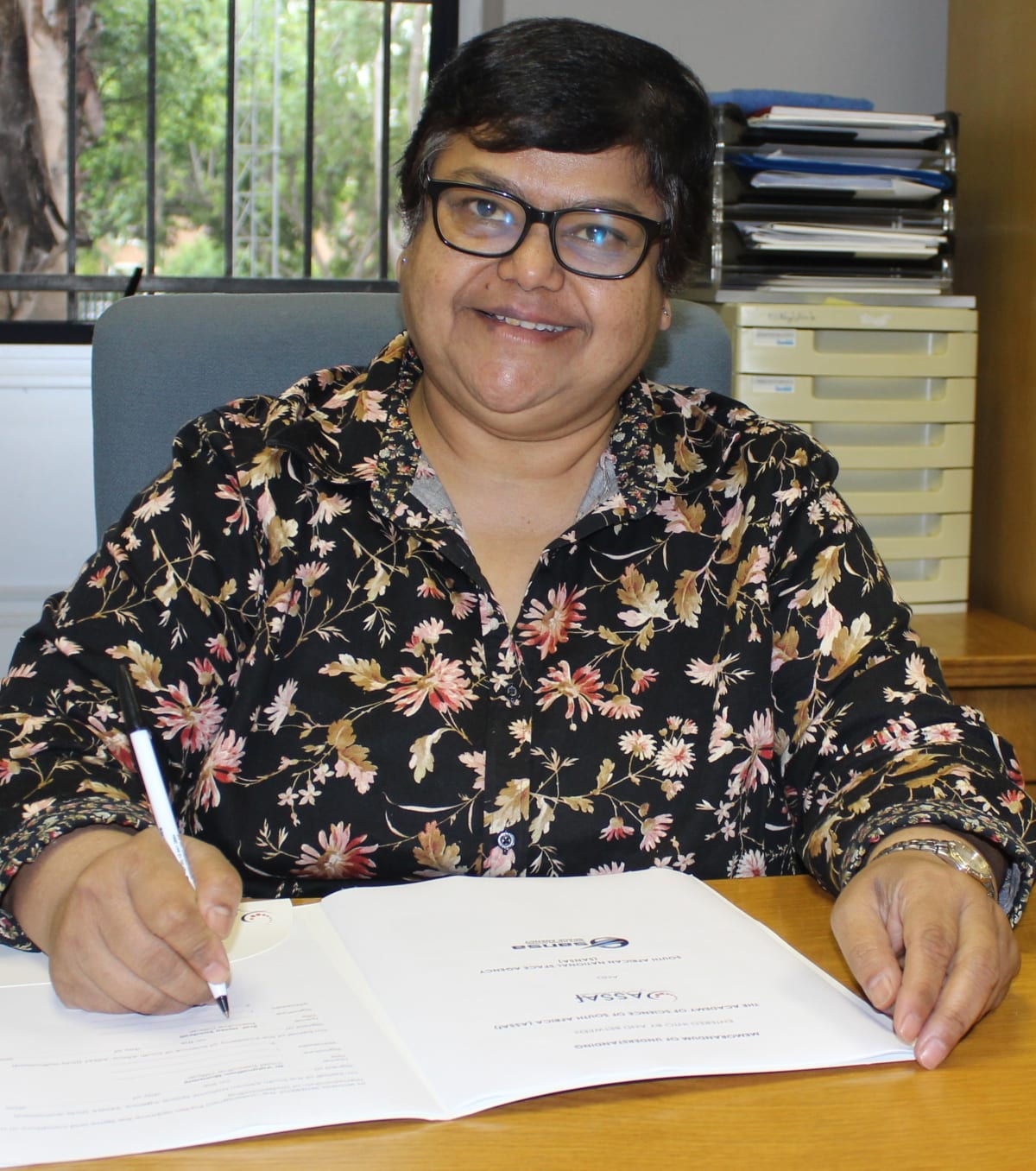
"Young scientists have an important role to play in shaping solutions to the challenges facing South Africa and our continent," said Prof Himla Soodyall, Executive Officer of the Academy of Science. The conference gives researchers space to test ideas, challenge assumptions, and explore how their work translates into real-world impact.
Participants will tour a local water treatment plant, connecting their research to the daily realities of keeping taps running in homes and schools. It's a reminder that behind every algorithm and filter membrane are families who deserve reliable access to clean water.
The Ripple Effect
These innovations reach far beyond South Africa's borders. As the continent faces mounting pressure from population growth and climate change, solutions developed by these young scientists could be adapted across Africa. Technologies proven in Mthatha's informal settlements might one day protect water supplies in Nairobi, Lagos, or Dakar.
The conference brings together leaders from universities, government, and space agencies, signaling that water security is everyone's business. When young minds receive support, mentorship, and platforms to share their work, the solutions they create can reshape entire systems.
As water scarcity threatens millions across Africa, this generation of scientists is proving that innovation, determination, and smart technology can build a more water-secure future for the continent.
Based on reporting by Google News - Africa Innovation
This story was written by BrightWire based on verified news reports.
Spread the positivity!
Share this good news with someone who needs it

%2Ffile%2Fattachments%2Forphans%2FGathering-Friends3_449358.jpg)
