%2Ffile%2Fattachments%2Forphans%2FDSCF834852_282186.jpg)
South African Teens Learn Business With Zero Real Risk
Over 21,000 students across four African nations are building virtual businesses and managing pretend million-rand portfolios, mastering real-world money skills before graduation. Financial firms are transforming classrooms into risk-free training grounds where failure teaches and success builds confidence.
In South Africa, young people face two crises at once: too few jobs and too little preparation to create their own. Now financial institutions are stepping into classrooms with a solution that turns learning about money into a game where losing teaches you how to win.
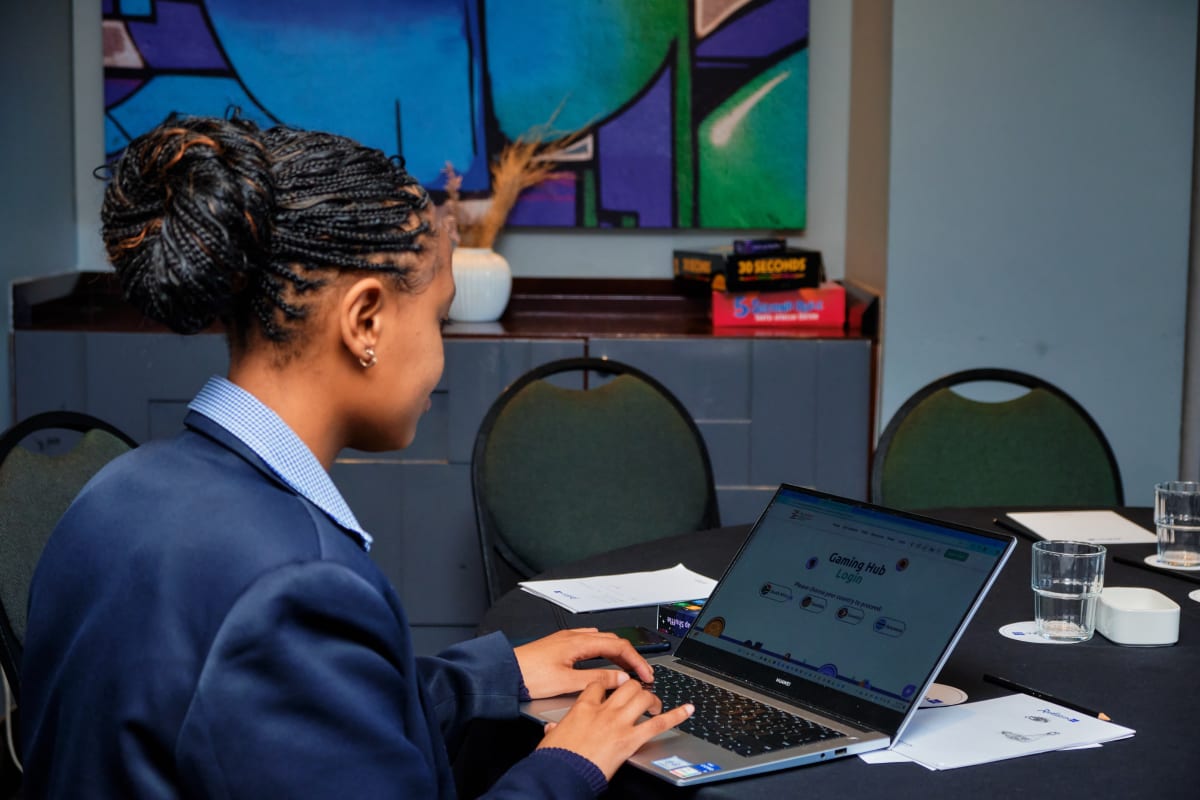
The Allan Gray Entrepreneurship Challenge celebrated its 10th anniversary this year, reaching more than 21,000 learners and 800 teachers across South Africa, Namibia, Botswana and Eswatini. Students spend 30 minutes running a virtual retail business, making decisions about stock, marketing, staff and ethics. When they make mistakes, they simply restart and try again.
"There's a lot of potential, but there are not a lot of opportunities," says Charleen Duncan, head of public affairs at the Allan Gray Orbis Foundation. The program treats entrepreneurship not as a backup plan when jobs disappear, but as a different way of thinking about problems and opportunities.
Students in the JSE Investment Challenge receive a virtual million-rand portfolio to invest in real JSE-listed shares. They watch actual market behavior unfold and learn how their choices would have played out, all without risking actual money.
Coronation's Top Investor Challenge gives high school teams virtual funds and asks them to make investment decisions based on future scenarios presented in short videos. The competition, now in its second year, turns intimidating financial concepts into something students can touch and test.
Why This Inspires
These programs teach skills that traditional classrooms often miss. In school, wrong answers feel final and mistakes carry penalties. In simulations, bad decisions become valuable lessons, and students learn they can try again.
"In a school environment, you are not taught to take risk," Duncan explains. The programs are teaching young people to identify opportunities, make judgments under uncertainty and understand they have agency over their futures.
Kirshni Totaram, Coronation's global head of institutional business, believes high school is exactly the right time to start. "You can never start learning about financial literacy too early," she told Daily Maverick. "The more you talk about money, about discipline, about budgets, about long-term wealth creation, the easier it is to demystify it."
The Allan Gray program has expanded beyond the online game to include lesson plans aligned with South Africa's curriculum, teacher training, entrepreneurship clubs and live pitching opportunities. Teachers receive support to bring these concepts into everyday classroom learning.
Whether students are choosing stock for a virtual shop or deciding how to allocate a portfolio, they're learning the same core skill: how to make thoughtful decisions when outcomes are uncertain. They're discovering that entrepreneurship isn't just about starting businesses but about seeing possibilities and taking smart risks.
These young people are building confidence and practical skills before their first real paycheck arrives, transforming preparation from something that happens after mistakes into something that prevents them.
More Images



Based on reporting by Daily Maverick
This story was written by BrightWire based on verified news reports.
Spread the positivity!
Share this good news with someone who needs it