South Africa's Solar Boom Shows Path for African Homes
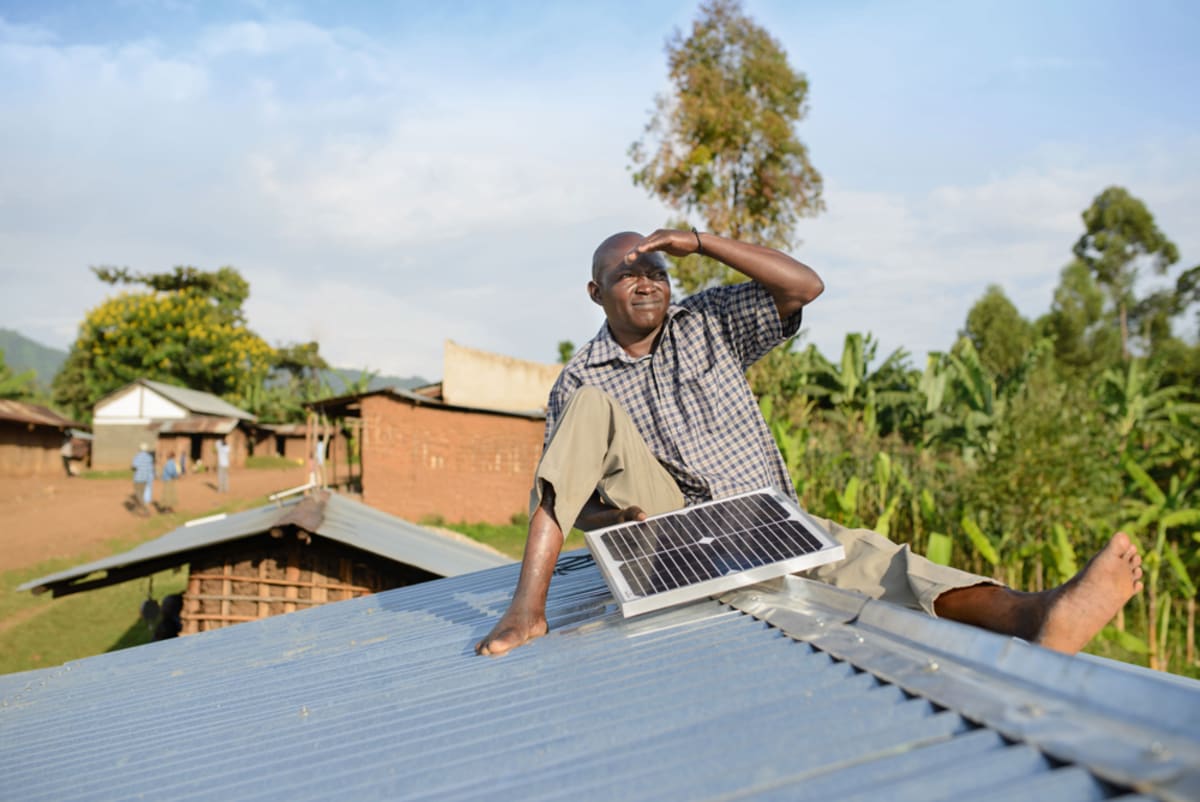
South Africa's rooftop solar capacity surged from 1.2 GW to massive growth in just five years, proving that African nations can leapfrog energy challenges with home solar power. The success story offers a blueprint for a continent blessed with incredible sunshine but barely tapping its clean energy potential.
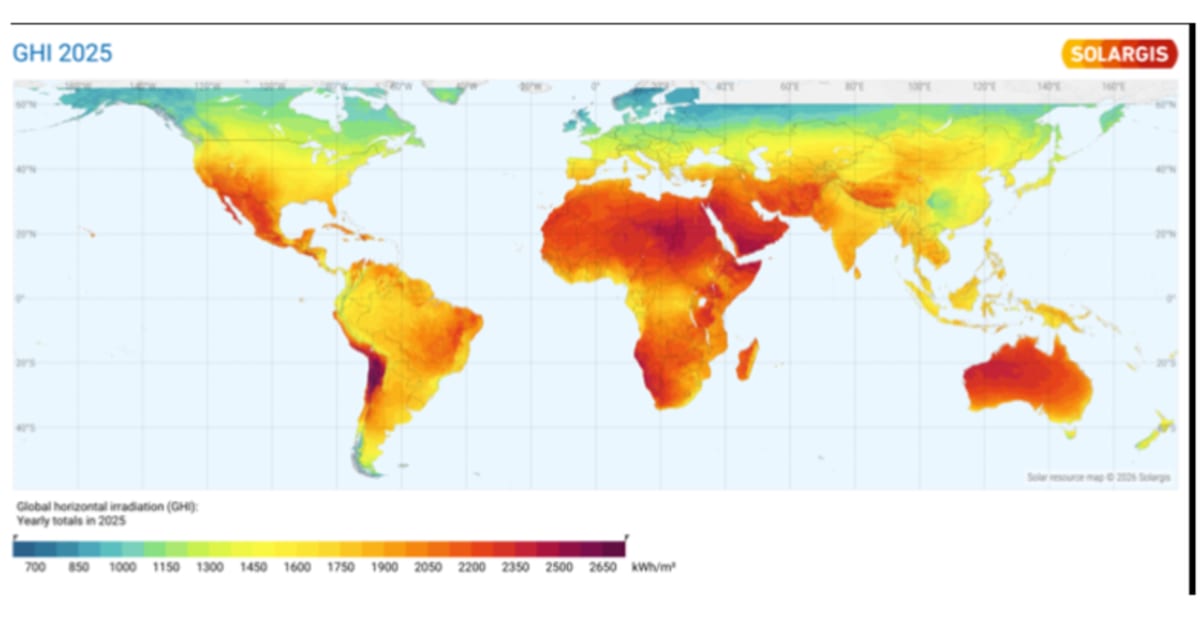
Africa receives more sunshine than any other continent, yet less than 1% of its rooftop solar potential is being used to power homes and businesses.
That's starting to change in South Africa, where a perfect storm of factors has created the continent's biggest rooftop solar success story. The country now leads Africa in home solar adoption, with existing rooftops across the continent capable of generating more than double Africa's entire electricity output.
South Africa's secret? It combined several advantages that made solar irresistible to homeowners. The country has reliable sunshine, a large middle class able to afford upfront costs, and relatively high electricity prices that make solar savings meaningful.
But the real game changer was something unexpected: unreliable power. For years, scheduled blackouts called "load shedding" left homes and businesses in the dark. Solar panels with batteries transformed from an environmental choice into essential insurance against outages.
The contrast with other African nations reveals what's holding solar back elsewhere. Kenya has expensive electricity and great sunshine, but most households don't use enough power to justify the investment. A typical family consuming 50 to 100 kilowatt hours monthly pays high rates, but their total bill stays small.
Angola faces the opposite problem. Government subsidies keep electricity incredibly cheap at around $0.015 per kilowatt hour, making solar financially unattractive even with perfect conditions for panels.
Ethiopia generates 100% of its electricity from renewable hydropower, keeping costs low and exports competitive. The country just inaugurated its first grid connected rooftop solar system in June 2025, a modest 100 kilowatt installation with smart meters.
The Ripple Effect
The technical potential is staggering. Africa's existing rooftops could host nearly 6,000 square kilometers of solar panels, generating over 2,000 terawatt hours annually. Five countries account for 85% of current adoption: South Africa, Nigeria, Morocco, Egypt, and Kenya.
Success requires more than sunshine. Countries need customers who can access capital for installation, electricity prices high enough to make savings meaningful, and ideally, grid reliability problems that make backup power valuable.
South Africa proved that when these factors align, adoption can explode. What took Australia's smaller population just weeks to install, Kenya's net metering program caps at 100 megawatts over five years. The gap shows both the challenge and the opportunity.
As solar technology costs continue dropping and financing options improve, more African nations are positioned to follow South Africa's lead. The continent's abundant sunshine isn't going anywhere, and neither is the need for reliable, affordable electricity.
Every rooftop represents untapped potential to power homes, businesses, and dreams across Africa.
More Images
Based on reporting by PV Magazine
This story was written by BrightWire based on verified news reports.
Spread the positivity!
Share this good news with someone who needs it