
South Korea Cuts Food Waste to Landfill by 97% in 30 Years
South Korea transformed from sending 97% of food waste to landfills to recycling nearly all of it, creating a global model now being adopted by New York City. Smart bins, government fees, and energy conversion turned a crisis into climate progress.
South Korea solved a problem that costs American families $56 a week and produces 10% of the world's climate emissions. In just three decades, the country transformed how an entire nation handles leftover rice, vegetable peels, and fruit scraps.
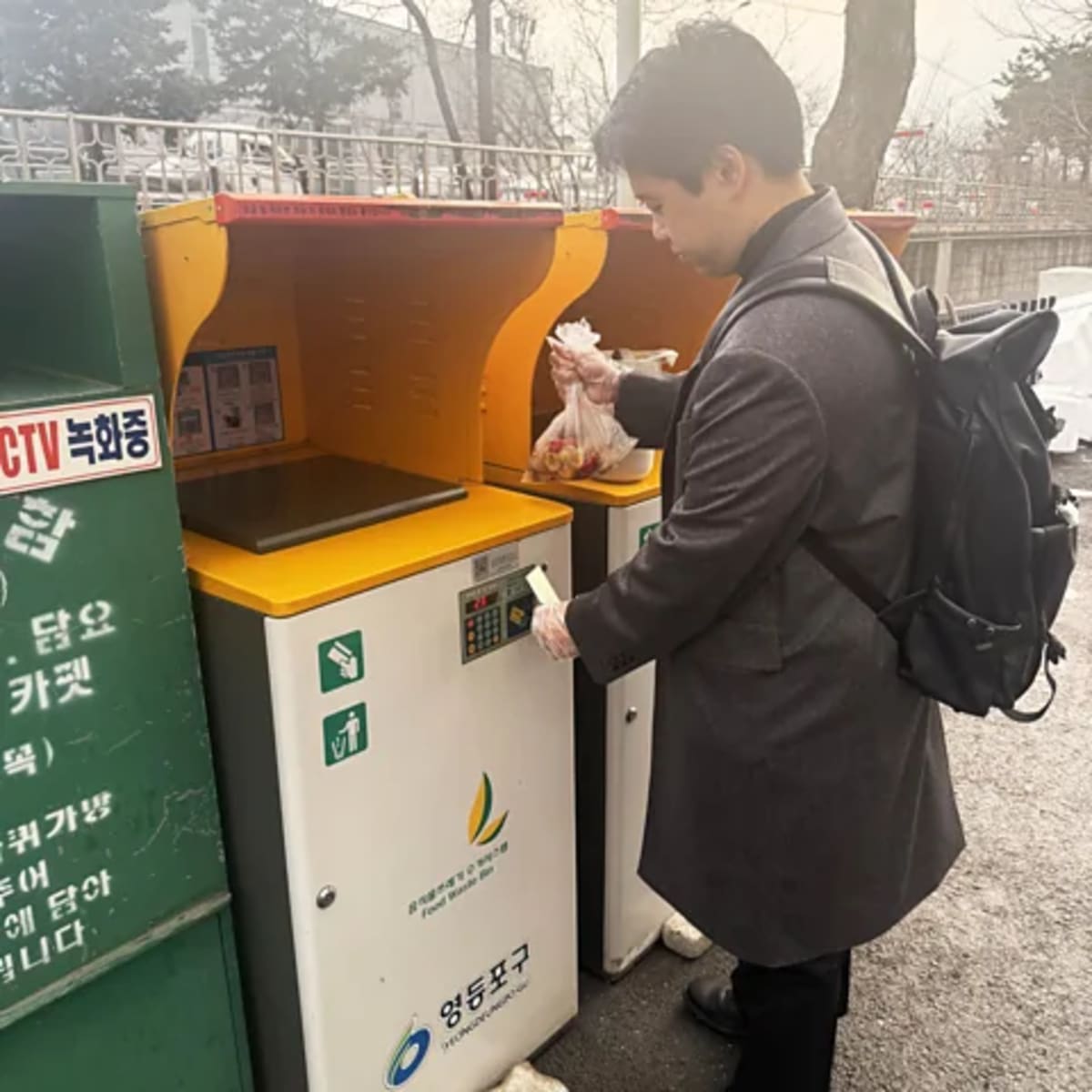
Seunghwan Hong taps his card on a scanner in his Seoul apartment complex, tosses in his weekly food waste, and watches the weight display pop up. A small charge appears on his account based on what he threw away.
That simple transaction is part of a waste revolution that started with a crisis. Rapid growth in the 20th century left South Korea drowning in garbage, with food rotting in landfills and creating public health nightmares.
The government started charging households based on waste volume in 1995. Two years later, separating food waste became mandatory.
In 2005, South Korea banned food waste from landfills entirely. Smart bins with radio scanners launched in 2010, making residents instantly aware of how much they were tossing.
The results stunned the world. South Korea's food waste recycling rate jumped from 2.6% in 1996 to nearly 97% in 2023.
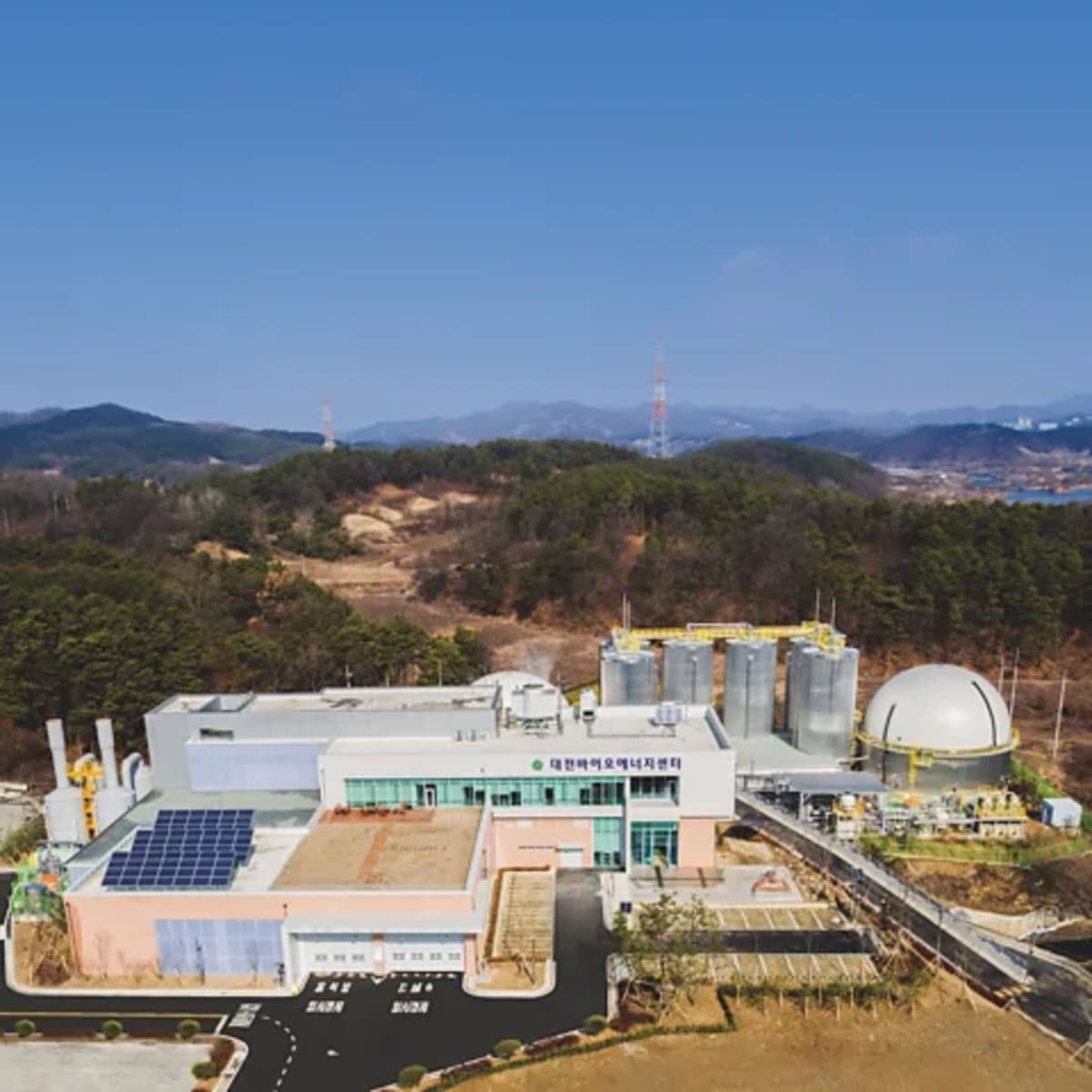
Hong's leftovers now travel to facilities like the Daejeon Bio Energy Centre, where they become electricity instead of methane. When organic waste rots in landfills without oxygen, it releases methane that traps 80 times more heat than carbon dioxide over 20 years.
The Bio Energy Centre produces enough power for 6,000 households daily. More than 340 similar facilities operate across the country, collectively replacing fossil fuels worth $170 million annually.
The Ripple Effect
New York City watched and learned. In October 2024, the city made food waste separation mandatory for all 3.4 million households, creating America's largest organic recovery program.
Getting New Yorkers on board hasn't been easy. The sanitation department knocked on doors 60,000 times to explain the new system and issued over 63,000 violation notices to households that didn't comply.
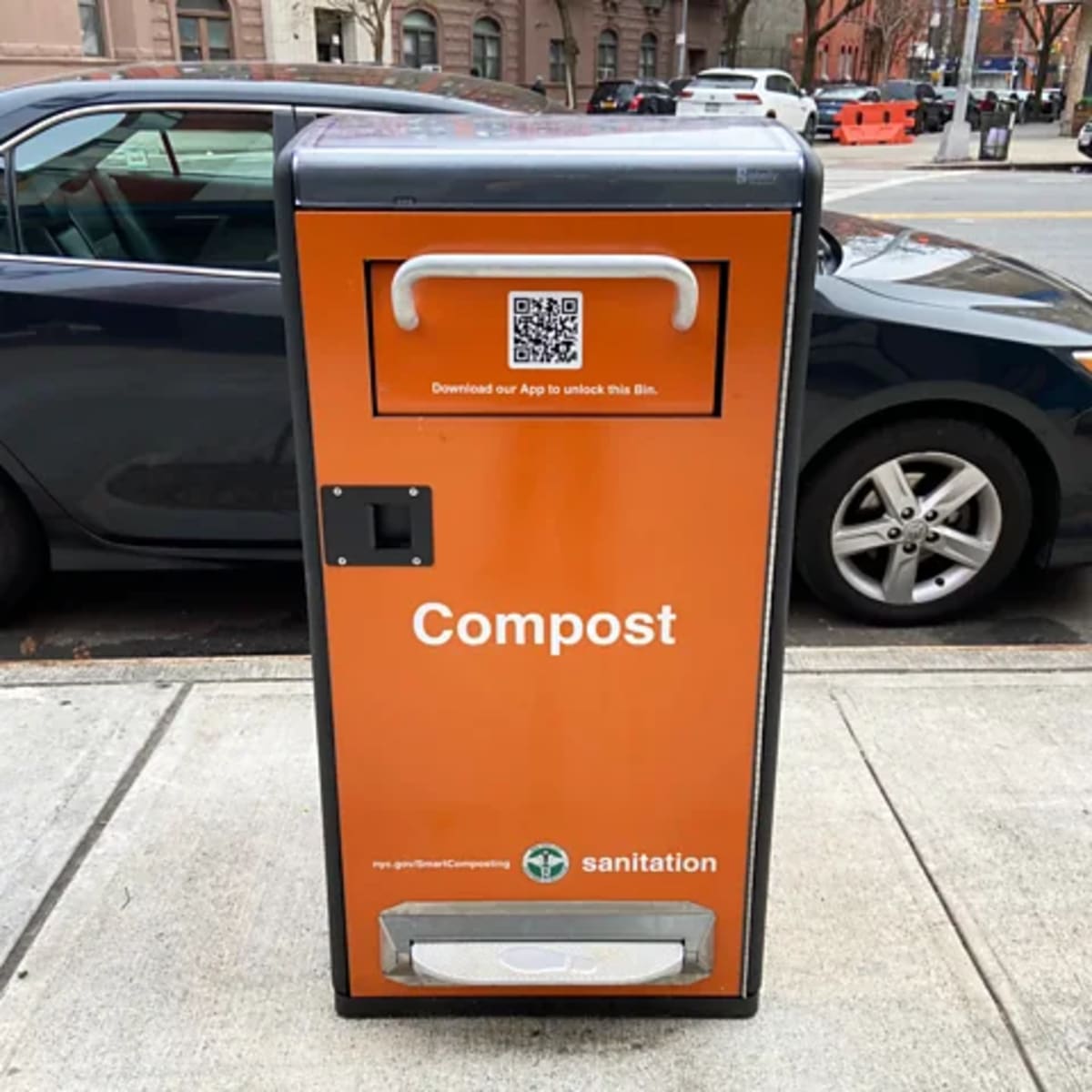
The city installed more than 400 smart composting bins across all five boroughs as 24/7 drop-off sites. Residents can now separate scraps at home or walk them to neighborhood bins.
South Korea spends $430 million annually managing the system, even with household fees helping cover costs. Munsol Ju from the Korea Environment Institute says the country stands at a turning point, with new technologies ready to push progress even further.
What started as one country's garbage crisis is becoming a blueprint for cities worldwide ready to turn tomorrow's trash into today's power.
More Images

Based on reporting by BBC Future
This story was written by BrightWire based on verified news reports.
Spread the positivity!
Share this good news with someone who needs it