South Korea Cuts Ship Emissions 99% With New Tech
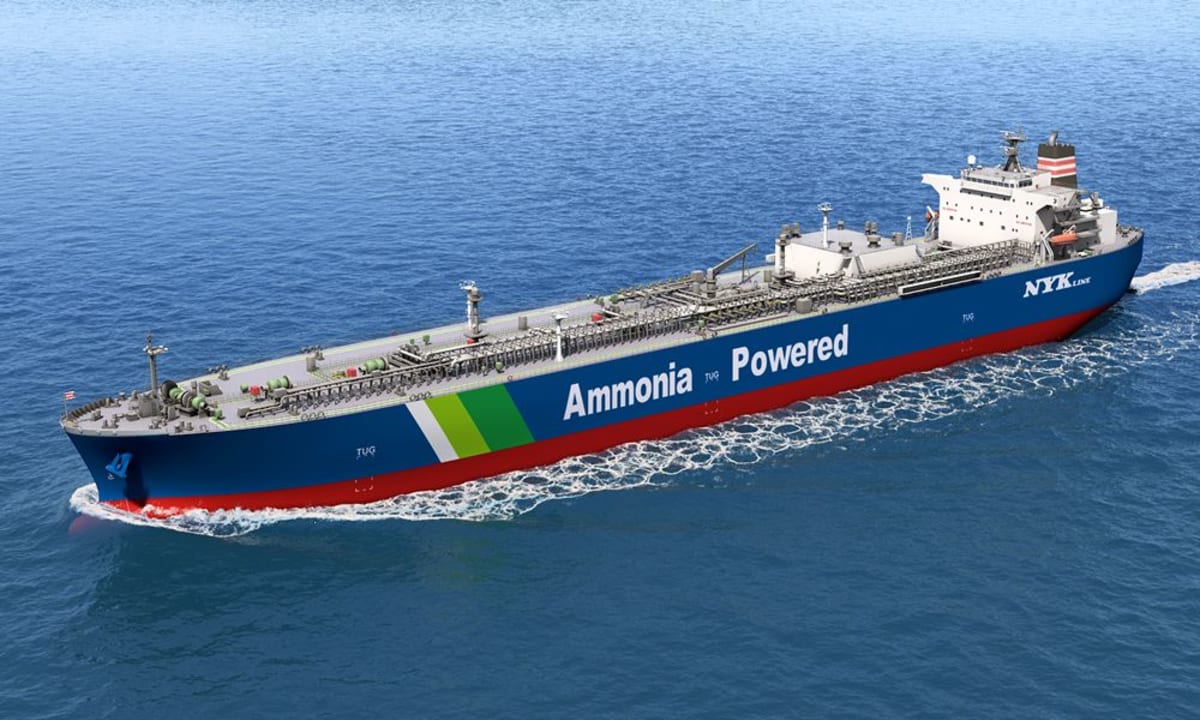
South Korean engineers just solved one of the biggest challenges blocking clean shipping—a breakthrough system that slashes toxic emissions from ammonia-fueled ships by up to 99.7%. The innovation could finally make carbon-free ocean transport a reality.
The shipping industry just got a powerful new tool in its fight against climate change, thanks to a team of South Korean engineers who cracked a problem that's stumped the maritime world for years.
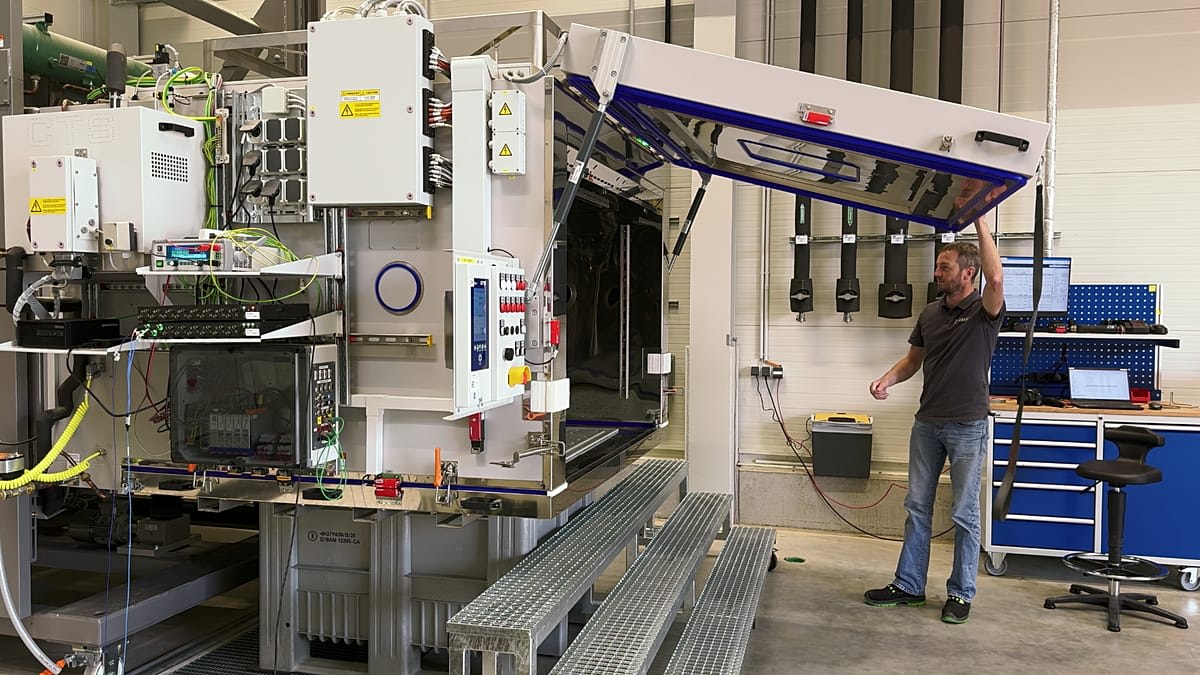
Korean Register, EcoPro HN, and HD Korea Shipbuilding & Offshore Engineering have developed a game-changing exhaust treatment system for ammonia-powered ship engines. In land-based tests at KR's Green Ship Test & Certification Center, the prototype slashed nitrogen oxide emissions by 95% and cut unburned ammonia emissions by an astounding 99.7%.
Those numbers matter more than they might sound. Ammonia has long been considered a promising zero-carbon fuel for ships, but it comes with a catch: toxic exhaust. When ammonia burns, it can release dangerous nitrogen oxides and unburned ammonia that's even more harmful than the carbon emissions ships currently produce.
The new system uses microwave technology to heat catalysts that clean the exhaust. It reduced ammonia slip from roughly 10,000 parts per million to just 30 ppm, proving durable through extended trials. This marks South Korea's first application of microwave catalyst heating to megawatt-class ammonia engine exhaust.
What makes this breakthrough special is how it solves a core commercialization puzzle. Traditional catalysts only work well at specific temperatures, struggling when engines ramp up or slow down. The microwave approach activates catalysts rapidly and efficiently across variable conditions, maintaining consistent performance without burning extra fuel to keep systems hot.
The project brought together heavy hitters including HD Hyundai Marine Solution and the Korea Institute of Industrial Technology, funded by South Korea's Ministry of Oceans and Fisheries. The collaboration pooled expertise from industry leaders and research institutions to tackle one of maritime transport's toughest challenges.
The Ripple Effect
This innovation arrives at a critical moment for global shipping. The industry accounts for nearly 3% of worldwide carbon emissions, and maritime nations have committed to reaching net-zero by 2050. Ammonia fuel offers a path forward, but only if ships can burn it cleanly.
By proving that microwave-activated catalysts can handle real-world conditions, the South Korean team has removed a major roadblock to commercial adoption. Kim Daeheon, executive vice president of Korean Register, emphasized that exhaust treatment technology is just as crucial as the fuel itself for making ammonia vessels viable.
The team plans to expand the system to various dual-fuel engines, potentially accelerating the entire maritime industry's transition away from fossil fuels. What started as a technical challenge in one testing facility could soon help clean the air above shipping lanes worldwide.
Ships carrying everything from electronics to groceries might soon cross oceans without adding carbon to the atmosphere, powered by ammonia and equipped with systems that turn toxic exhaust into harmless emissions.
Based on reporting by Regional: south korea technology (KR)
This story was written by BrightWire based on verified news reports.
Spread the positivity!
Share this good news with someone who needs it