South Korea Gains 8 Years in Life Expectancy Since 2000
While the US has fallen near the bottom of developed nations for longevity, South Korea jumped nearly 8 years in life expectancy from 2000 to 2021. Their secret? More vegetables, staying active with friends, and preventing disease before it starts.
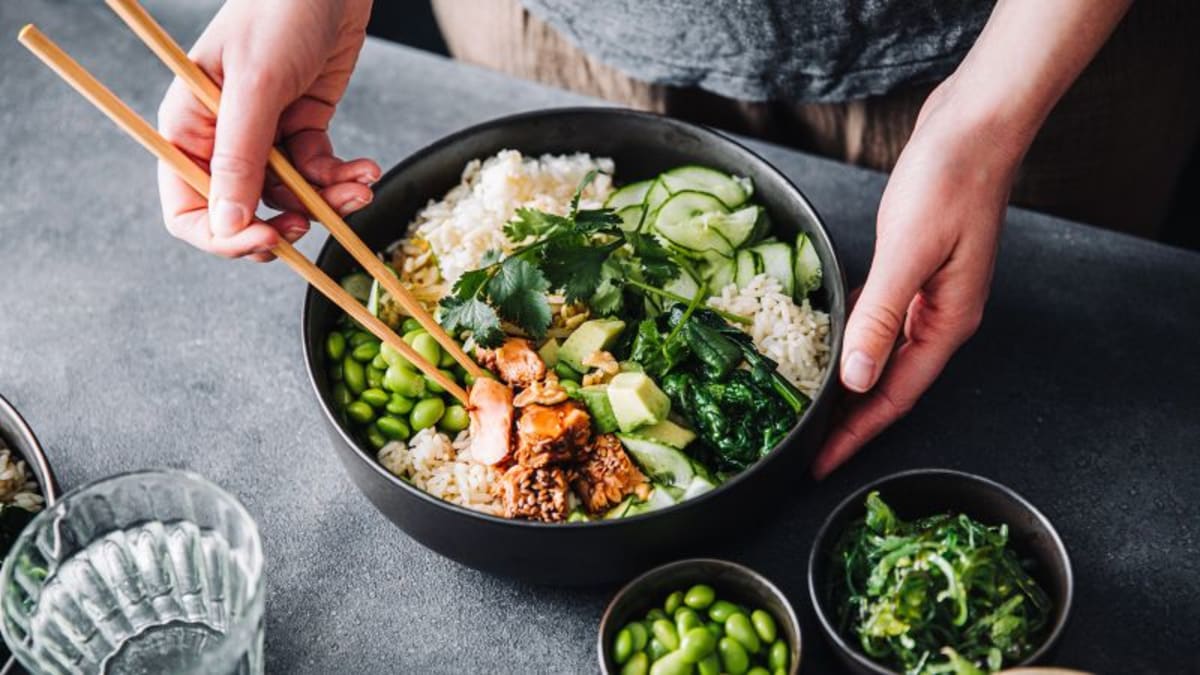
South Korean kids eat lettuce wraps, radish salad, and kimchi for school lunch while American children often skip vegetables entirely. That difference in what's on our plates helps explain why South Korea is winning the longevity race.
Since 2000, South Korea's life expectancy has soared by nearly 8 years, according to the World Health Organization. During that same period, the United States dropped toward the bottom of the longevity list among developed nations.
The gap starts early. Nearly half of American kids ages 1 to 5 don't eat a single vegetable daily, according to a 2023 CDC report. In South Korea, every school provides free nutritious lunches designed by nutritionists who teach kids about healthy eating from day one.
But it's not just about food. Dr. Geon-Ha Kim, a neuroscientist studying South Korean "SuperAgers" at Ewha Womans University Medical Center in Seoul, found that physical exercise, social connections, and challenging new activities keep older adults mentally sharp.
Park Mak-rye, known as "Korea Grandma" on social media, lives this approach at age 79. She shares cooking videos, exercises regularly, and spends her days laughing with close friends. Regular exercise alone reduces early death risk by up to 40%, while loneliness increases it by 32%.
The healthcare difference matters too. South Koreans visit doctors frequently for prevention, not just treatment. Americans get thousands of dollars in reimbursement for heart bypass surgery but little for office visits addressing the lifestyle factors that could prevent heart disease, notes Dr. Karen Studer from Loma Linda University School of Medicine.
Why This Inspires
You don't need to move to South Korea to add years to your life. Adding one more vegetable to your daily meals, taking a walk with friends, or scheduling that preventive checkup are small steps anyone can take today.
Dr. Studer puts it simply: "Small habits can lead to big changes." The South Korean example proves that when entire communities embrace these habits together, those changes can add nearly a decade of healthy living.
More Images



Based on reporting by Google News - Health
This story was written by BrightWire based on verified news reports.
Spread the positivity!
Share this good news with someone who needs it