South Korea Invests $47M in AI-Powered Recycling Tech
South Korea is betting big on the future of recycling, investing $47 million to develop AI systems that can sort clothing with 95% accuracy and technology that turns old tires into new ones. The groundbreaking program aims to triple the amount of recycled materials used in manufacturing by 2030.
South Korea just launched a recycling revolution that could transform mountains of discarded clothes and tires into valuable new products instead of trash.
The country is investing $47 million through 2030 to develop cutting-edge recycling technologies that solve two massive waste problems. The Ministry of Climate, Energy and Environment announced the ambitious program Thursday, focusing on making recycled materials good enough to compete with brand-new ones.
The first breakthrough targets textile waste using artificial intelligence. Researchers will develop AI-powered sorting systems that can identify and separate different fabric types with 95% accuracy, solving one of recycling's toughest challenges.
Right now, recycling clothes is incredibly difficult because most garments mix multiple fabrics together, plus zippers, buttons, and other accessories made from different materials. That complexity means most discarded clothing collected in South Korea gets exported or dumped, with only a tiny portion recycled domestically into lower-value products like construction materials.
The new technology will change that equation. Scientists plan to develop processes that convert recycled fibers into raw materials for new clothing, automotive interiors, construction materials, and engineering products.
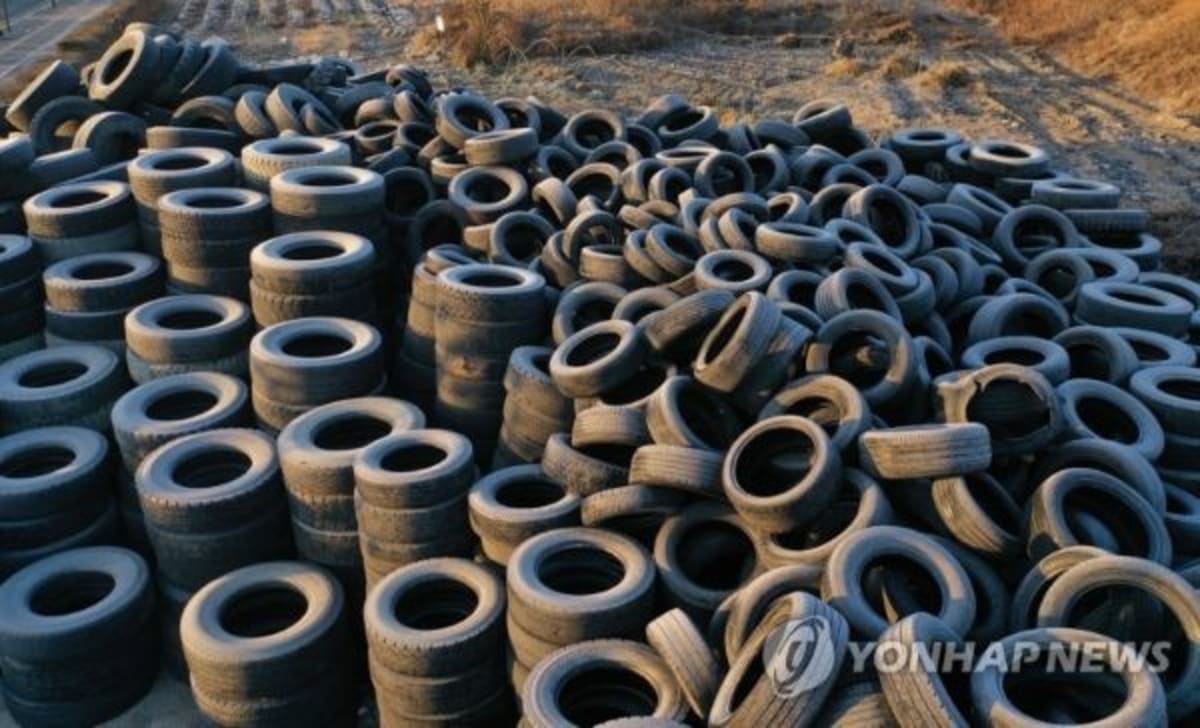
The second major initiative tackles waste tires, which currently face a similar dead end. More than 60% of discarded tires in South Korea are simply burned as fuel for energy recovery, while only a small fraction gets processed into recycled carbon black.
The problem is quality. Tire manufacturers have struggled to use more than about 5% recycled carbon black in new tires because of concerns about durability and safety. The new research program aims to shatter that limitation by developing production methods that can safely incorporate at least 15% recycled content, tripling current industry standards.
The Ripple Effect
This investment represents more than just better recycling bins. South Korea is building the foundation for a true circular economy where yesterday's products become tomorrow's raw materials instead of pollution.
The advances could ripple globally as other countries face similar recycling challenges. If South Korea cracks the code on high-quality textile and tire recycling, the technologies could be exported worldwide, helping reduce the estimated 92 million tons of textile waste and 1 billion waste tires generated globally each year.
The program also promises to reduce dependence on virgin materials and imported resources, making manufacturing more sustainable and economically resilient. New jobs in recycling technology and processing could emerge as the industry grows beyond simple waste collection into sophisticated material recovery.
By 2030, South Korea envisions factories humming with recycled fibers and carbon black that perform just as well as new materials, proving that waste is just a design flaw waiting to be solved.
Based on reporting by Regional: south korea technology (KR)
This story was written by BrightWire based on verified news reports.
Spread the positivity!
Share this good news with someone who needs it