South Korea Launches AI Moonshot for Science Breakthroughs
South Korea just unveiled an ambitious national plan to supercharge scientific research using artificial intelligence, aiming to solve some of humanity's biggest challenges by 2035. Twelve teams will tackle everything from brain implants to fusion energy, backed by coordinated government support.
South Korea is betting big on artificial intelligence to transform how we solve the world's toughest problems, and the plan they just launched is nothing short of extraordinary.
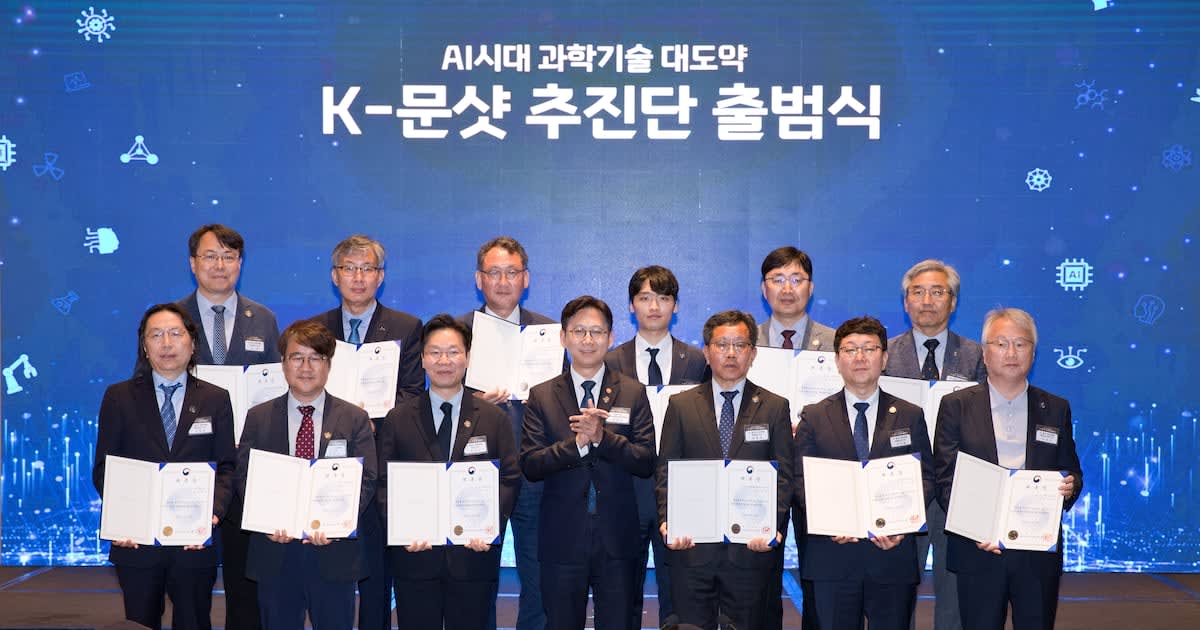
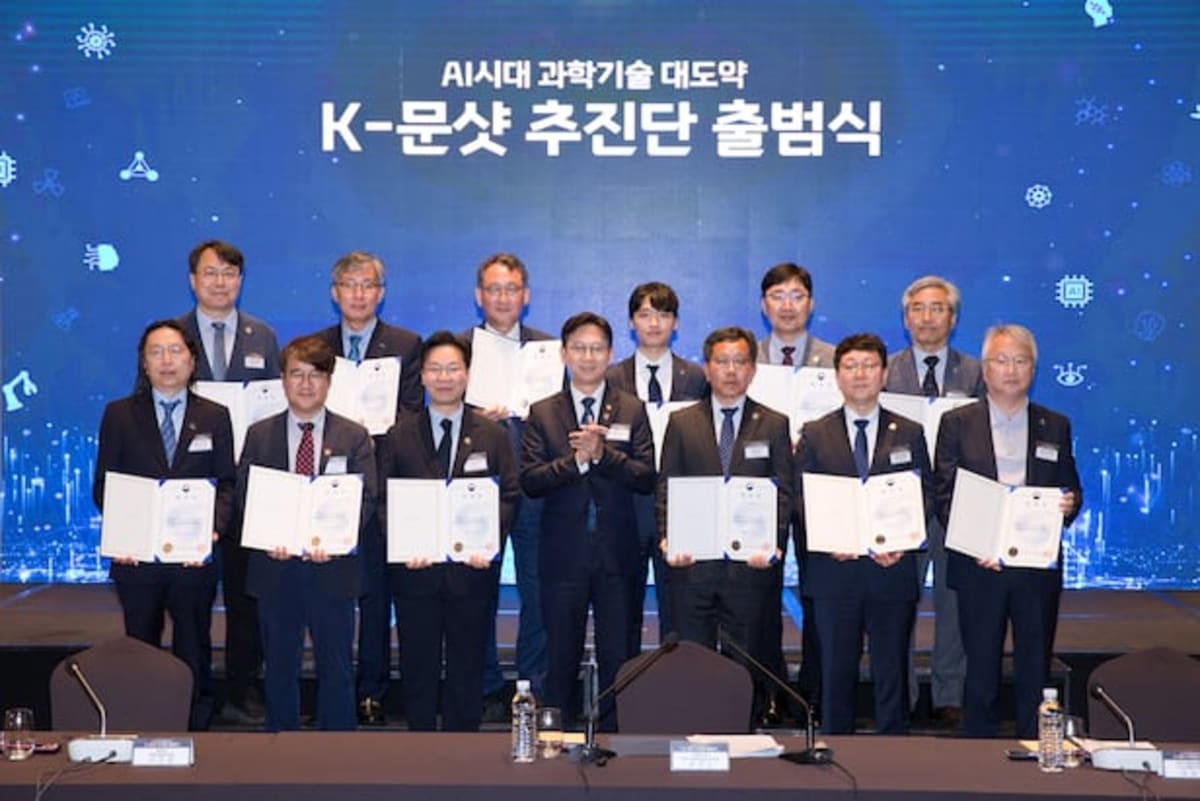
On May 27th, the country's Ministry of Science and ICT launched the K-Moonshot Project at a ceremony in Seoul, bringing together government officials, scientists, and industry leaders. They appointed 12 program directors to lead ambitious missions that could reshape medicine, energy, and technology as we know it.
The goals sound like science fiction but are grounded in serious research. By 2030, the project aims to double research productivity across all participating fields. By 2035, teams hope to accelerate new drug development tenfold, make brain-computer interfaces a commercial reality, and demonstrate a working fusion reactor designed in Korea.
Other missions include launching a space data center, developing robots that can navigate the physical world like humans, and creating ships powered by small modular reactors. Each mission will use AI to speed up discoveries that traditionally take decades.
The program directors come from Korea's top universities and research institutes. Professor Nam Jin-woo from Hanyang University will lead the new drug mission, while Professor Cho Il-joo from Korea University tackles brain-computer interfaces. Korea Institute of Fusion Energy's Yang Hyung-ryeol will work on fusion power, and Daedong Robotics CEO Yeo Jun-gu will lead the humanoid robot effort.
What makes this different from typical government programs is the structure. Deputy Prime Minister Bae Kyung-hoon will personally oversee the project, with multiple government ministries coordinating their efforts instead of working in silos. The Ministry of Health and Welfare will support medical missions, while the Ministry of Trade backs industrial applications.
The National AI for Science Center will provide technical support, helping research teams integrate AI tools into their work. Program directors will actually participate in planning and budgeting decisions, giving scientists more control over their research direction.
The Ripple Effect
South Korea's approach could become a model for other nations tackling grand challenges. By breaking down barriers between government departments and giving scientists real authority, they're creating conditions where breakthrough innovations can actually reach the people who need them. The project represents a fundamental shift in how countries can organize scientific efforts around shared goals.
If even a few of these missions succeed, millions of people worldwide could benefit from faster drug development, cleaner energy, and technologies that seemed impossible just years ago.
More Images
Based on reporting by Regional: south korea technology (KR)
This story was written by BrightWire based on verified news reports.
Spread the positivity!
Share this good news with someone who needs it