South Korea Launches AI Moonshot to Solve National Challenges
South Korea just launched an ambitious project to double research productivity by 2030 using AI across twelve breakthrough missions. The K-Moonshot Project tackles everything from brain implants to fusion energy with a government-backed team ready to turn big ideas into reality.
South Korea is betting big on artificial intelligence to solve some of humanity's toughest problems, and they just assembled the dream team to make it happen.
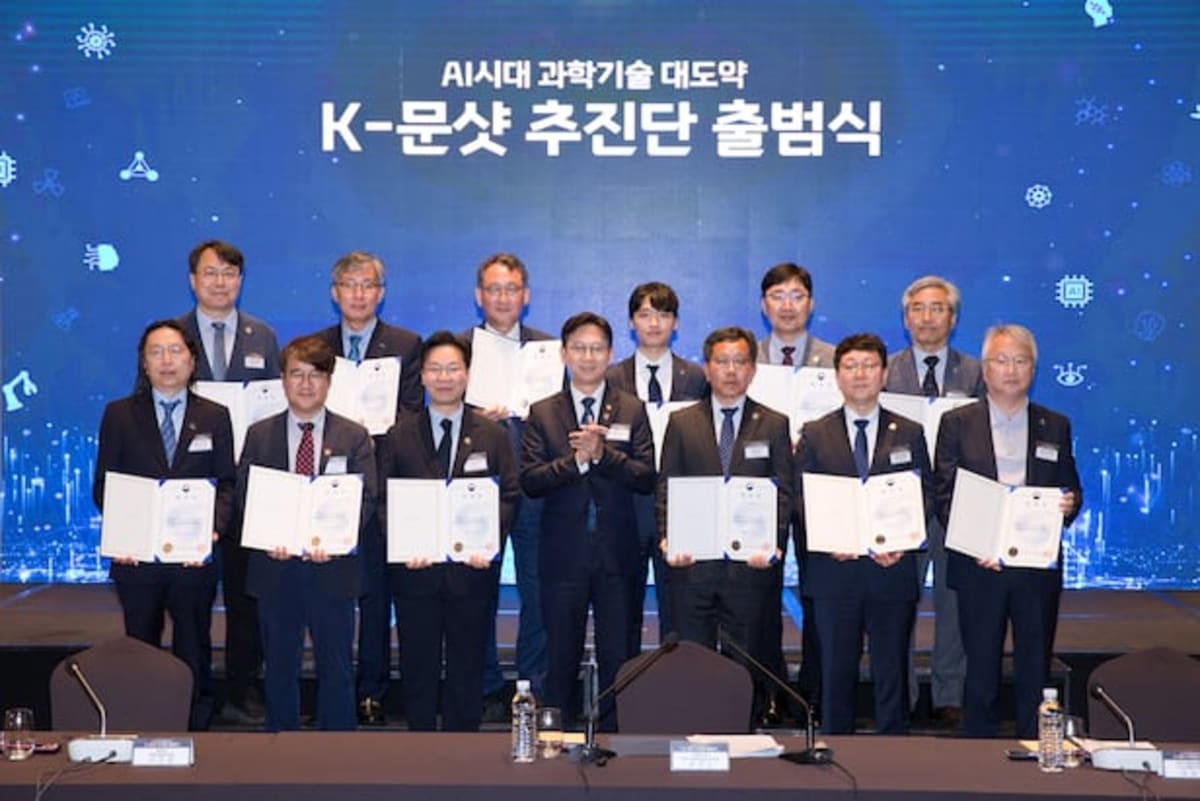
The country launched its K-Moonshot Project on May 27th, appointing twelve program directors to lead missions that sound like science fiction. Deputy Prime Minister Bae Kyung-hoon kicked off the initiative at a ceremony in Seoul with leaders from government, universities, and industry all pledging support.
The goals are nothing short of remarkable. By 2030, researchers aim to double their productivity using AI tools, and by 2035, they want breakthroughs that transform Korea's economy and global standing.
Each of the twelve missions targets a specific challenge. Professor Nam Jin-woo from Hanyang University will work to accelerate new drug development tenfold using AI. Professor Cho Il-joo at Korea University leads the brain-computer interface mission, aiming to commercialize brain implants that could help people with disabilities.
The energy missions are equally ambitious. Yang Hyung-ryeol heads the fusion reactor team, working toward clean, limitless energy. Meanwhile, Lee Dong-hyung tackles floating nuclear power using small modular reactors on ships, which could bring electricity to remote coastal areas.
The robotics and space missions round out the portfolio. Yeo Jun-gu, CEO of Daedong Robotics, leads the humanoid development program. Lee Chun-woo will establish foundational technologies for a space data center, potentially positioning Korea as a leader in orbital computing.
What makes this different from typical government projects is the structure. The K-Moonshot Steering Group, led by the Deputy Prime Minister himself, coordinates across multiple ministries to break down bureaucratic barriers. Program directors get real authority to make decisions and direct budgets, not just generate reports.
The National AI for Science Center provides crucial support, helping researchers across all missions access cutting-edge AI tools and expertise. Director-General Oh Dae-hyun emphasized that success requires building AI capability and culture at research sites, not just at headquarters.
Multiple government agencies are pitching in based on their expertise. The Ministry of Health and Welfare joins the new drug and brain-computer missions. The Ministry of Oceans and Fisheries supports the floating reactor work. The Korea AeroSpace Administration backs the space mission.
The Ripple Effect
This initiative could change how countries approach grand challenges. Instead of isolated research projects competing for funding, Korea is creating a coordinated ecosystem where AI amplifies every scientific field. If successful, the model could inspire similar moonshots worldwide.
The breakthrough potential extends beyond Korea's borders. Faster drug development helps patients everywhere. Brain implants restore independence to people with paralysis globally. Fusion energy could finally deliver clean power at scale.
By 2035, some of these missions could fundamentally change our world, and South Korea just gave them the resources and coordination to succeed.
More Images
Based on reporting by Regional: south korea technology (KR)
This story was written by BrightWire based on verified news reports.
Spread the positivity!
Share this good news with someone who needs it