South Korea Launches K-Science to Build Research Icons
South Korea is creating a new research movement to produce globally recognized scientists like Jane Goodall by focusing on uniquely Korean topics. The K-Science initiative aims to blend the nation's culture, history, and environment with cutting-edge research.
South Korea wants to answer a question that's been nagging its science leaders: why hasn't the country produced household names like Jane Goodall or Carl Sagan?
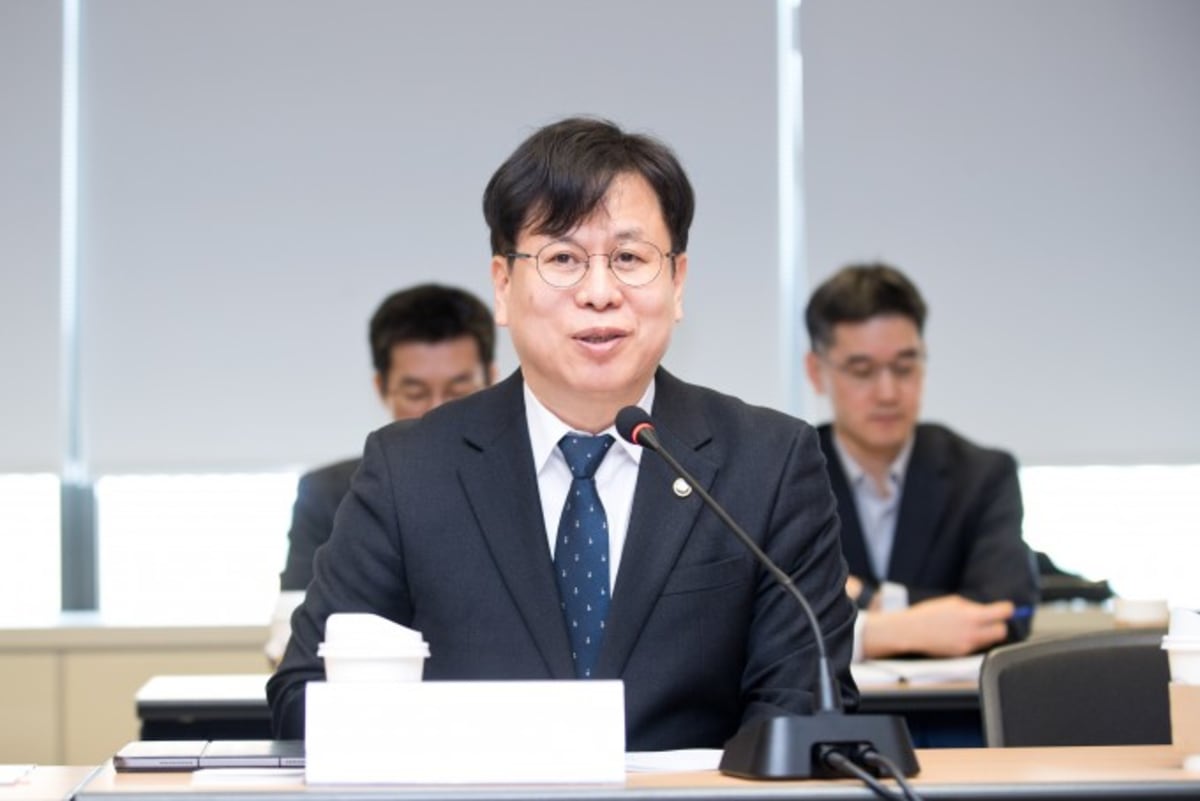
The Ministry of Science and ICT announced K-Science this month, a bold new research framework designed to create a distinctly Korean brand of scientific discovery. Park In-kyu, head of the ministry's innovation office, explained that Korea's research has focused too heavily on economic applications and not enough on the kind of deep, lifelong scientific pursuits that produce global icons.
K-Science focuses on three areas where Korean researchers can lead the world. First, topics rooted in Korea's unique geography, like its native plants, animals, and geological features that foreign scientists rarely study in depth. Second, interdisciplinary work combining Korea's rich historical records with modern science, like using Joseon Dynasty supernova observations from the 1600s to advance astronomy. Third, breakthrough fields where Korea can establish new paradigms before other countries.
The initiative breaks down traditional barriers between science and humanities. Park emphasized this isn't just science communication or public outreach, but actual research producing new findings with cultural storytelling woven throughout.
Director General Lim Yo-sup highlighted that Korea's substantial R&D budget makes this vision realistic. The country plans to flesh out specific research topics this month with input from various government agencies, then launch the full K-Science Strategy in the second quarter after expert review.
The Ripple Effect
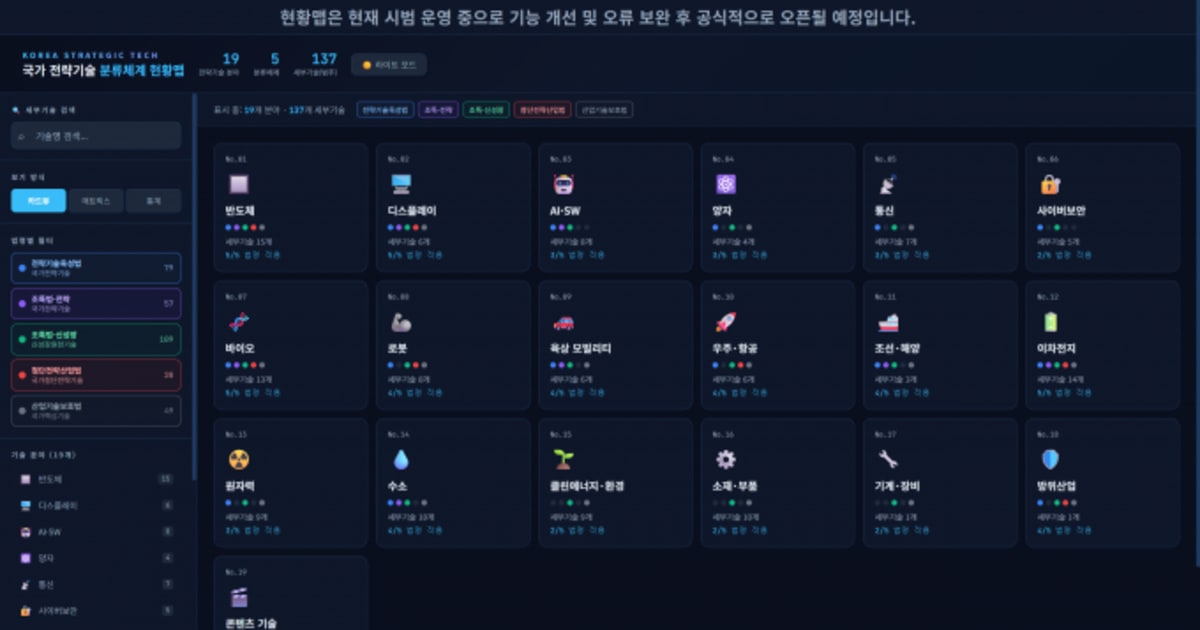
The announcement came alongside other researcher-friendly initiatives. Research24, launching in June, will finally unify Korea's fragmented R&D login systems into one portal, solving what officials admitted was a classic case of bureaucratic inefficiency. The government also unveiled a National Strategic Technology Classification Map covering 19 key areas from semiconductors to biotech, making it easier for researchers to find relevant policies and funding.
The broader 2027 R&D investment plan approved the same day shows Korea doubling down on AI leadership, quantum technology, and biotech innovation. The country will also tackle energy transition and supply chain resilience through focused materials research.
By creating space for scientists to dedicate their careers to distinctly Korean topics, the nation hopes to cultivate the next generation of researchers whose names become synonymous with discovery itself.
More Images


Based on reporting by Regional: south korea technology (KR)
This story was written by BrightWire based on verified news reports.
Spread the positivity!
Share this good news with someone who needs it