Google DeepMind Opens AI Campus in South Korea
The team behind Nobel Prize-winning AI is establishing a new research hub in South Korea to accelerate scientific breakthroughs in medicine and climate. Eight years after AlphaGo made history in Seoul, DeepMind returns to transform how scientists discover solutions to humanity's biggest challenges.
Google DeepMind is coming back to South Korea with something bigger than a chess match this time. The artificial intelligence powerhouse just announced plans to open an AI Campus in the country, partnering with Korean scientists to speed up discoveries in fields from life-saving medicine to climate prediction.
The announcement carries special weight because it happened at the same Seoul hotel where DeepMind's AlphaGo faced off against champion Go player Lee Sedol in 2016. That match marked a turning point for AI capabilities, and now the company wants to write the next chapter of that story in Korea.
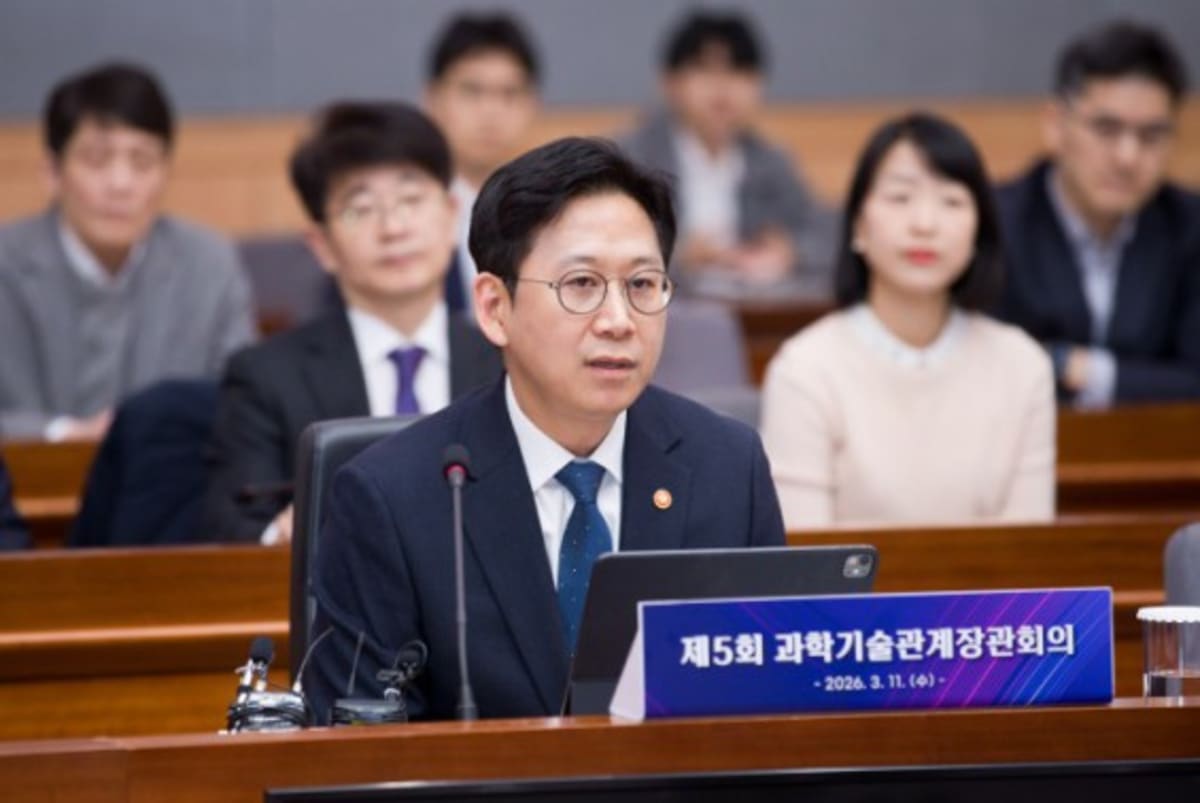
This time, the focus shifts from games to genuine scientific progress. DeepMind CEO Demis Hassabis, who won the 2024 Nobel Prize in Chemistry for creating AlphaFold (an AI that predicts protein structures), signed the agreement with Korea's Ministry of Science and ICT on January 27th. The partnership centers on DeepMind's expertise in applying AI to tackle problems that have stumped researchers for decades.
The collaboration will connect DeepMind with Korea's National Science AI Research Center, opening in May. Korean researchers will get internship opportunities at DeepMind facilities, while joint teams will work on AI models designed specifically for biological research and weather forecasting.
Korea brings its ambitious K-Moonshot project to the table, a national initiative using AI to boost research productivity and solve major challenges facing the country. The partnership aims to create a hub where Korean universities, companies, and research institutes can tap into DeepMind's cutting-edge tools and knowledge.
The Ripple Effect
This partnership could reshape how scientific research happens across Asia. By establishing infrastructure for AI-driven discovery in Korea, the collaboration creates a model other countries can follow. The emphasis on responsible AI development matters too, with both organizations committing to joint research on safety frameworks and testing methods through Korea's AI Safety Research Institute.
The focus on bio-innovation holds particular promise. AlphaFold already revolutionized how scientists understand proteins, the building blocks of life. Expanding that work in Korea could accelerate drug development and disease treatment for millions of people.
Weather and climate modeling represents another critical area. Better predictions powered by AI could help communities prepare for extreme weather events and understand climate patterns more accurately.
Hassabis noted that Korea has held special meaning for Google since the AlphaGo moment that launched the modern AI era. The panels of Korean experts who discussed the partnership agreed that now is the crucial time to transform their country's research ecosystem to be AI-first, before falling behind in the global race.
Both organizations will meet quarterly through video conferences and annually in person to ensure the partnership delivers real results, not just good intentions.
More Images


Based on reporting by Google: scientific discovery
This story was written by BrightWire based on verified news reports.
Spread the positivity!
Share this good news with someone who needs it