Space Robots to Rescue Dying Satellites 22,300 Miles Up
A two-armed robot just launched on a mission to save aging satellites by attaching life-extending jetpacks, turning space junk into functional technology. It's part of a growing effort to keep spacecraft running longer and save millions in replacement costs.
Instead of letting billion-dollar satellites die when they run out of fuel, we're now sending robots to give them a second life.
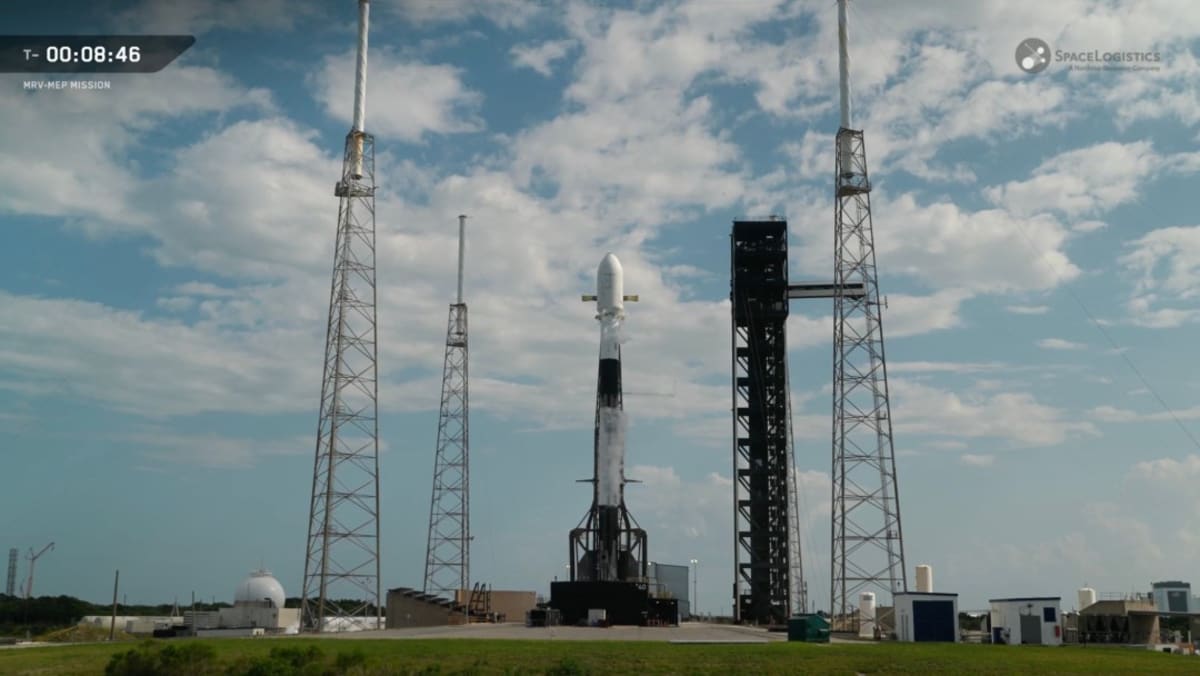
Northrop Grumman launched a minivan-sized robotic vehicle on July 25, 2026, carrying three washing-machine-sized jetpacks into space. The robot's mission is simple but groundbreaking: travel 22,300 miles above Earth and attach these jetpacks to aging communication satellites that have run out of gas.
The robotic vehicle spent a full year positioning itself in the crowded orbit where hundreds of satellites circle our planet. Using its 10-foot mechanical arms, it grabbed each jetpack one at a time and plugged them into satellites owned by SES of Luxembourg and Optus of Australia.
Each jetpack uses electric propulsion powered by xenon gas to give satellites several more years of life. Without this rescue mission, these satellites would have become expensive space debris, forcing companies to spend millions launching replacements.
This isn't even the first satellite rescue this month. Another company launched a three-armed spacecraft on July 3 to boost NASA's Swift Observatory and prevent it from crashing to Earth this fall.
The Ripple Effect
Northrop Grumman has been pioneering this satellite-saving business since 2019, when they launched their first rescue spacecraft. Those earlier missions latched onto failing satellites and steered them like tow trucks in space, extending their operational lives by years.
The technology keeps getting better. Future versions of these robots could repair damaged satellites, relocate them to better positions, or even grab dead satellites and haul them out of crowded orbits where they pose collision risks.
The financial impact is massive for satellite operators. Launching a new communication satellite costs hundreds of millions of dollars and takes years of planning. Adding a jetpack for a fraction of that cost keeps services running without interruption.
But the benefits extend beyond corporate balance sheets. Every satellite we keep alive means less space debris threatening other spacecraft, fewer rocket launches adding carbon to the atmosphere, and more reliable communication services for people on the ground.
The mission represents a fundamental shift in how we think about space technology. Instead of treating satellites as disposable, we're building an entire industry around maintenance and repair thousands of miles above Earth.
As these robotic missions become routine, we're proving that sustainability works even in the harshest environment humans have ever reached.
Based on reporting by Google News - Science
This story was written by BrightWire based on verified news reports.
Spread the positivity!
Share this good news with someone who needs it