South Korea Targets 1,000-Qubit Quantum Computer by 2029
South Korea just announced an ambitious plan to build two types of quantum computers by 2029, refusing to let the US-China tech race leave them behind. The Korea Research Institute of Standards and Science is developing both a 100-qubit superconducting system and a groundbreaking 1,000-qubit neutral-atom computer simultaneously.
South Korea is making a bold move to join the quantum computing revolution, setting its sights on independently developing two advanced quantum computers by 2029.
The Korea Research Institute of Standards and Science (KRISS) is leading a dual-track strategy that could position the country as a major player in next-generation computing. While tech giants Google and IBM race ahead with their own systems, South Korea is charting its own course with both a 100-qubit superconducting quantum computer and a massive 1,000-qubit neutral-atom system.
Quantum computers represent a leap beyond anything traditional computers can achieve. Where regular computers process information as either 0 or 1, quantum computers use qubits that can exist as both simultaneously, solving certain problems millions of times faster.
Google demonstrated this power when its quantum computer completed a calculation in 200 seconds that would take a supercomputer 10,000 years. Now South Korea wants that capability on its own terms.
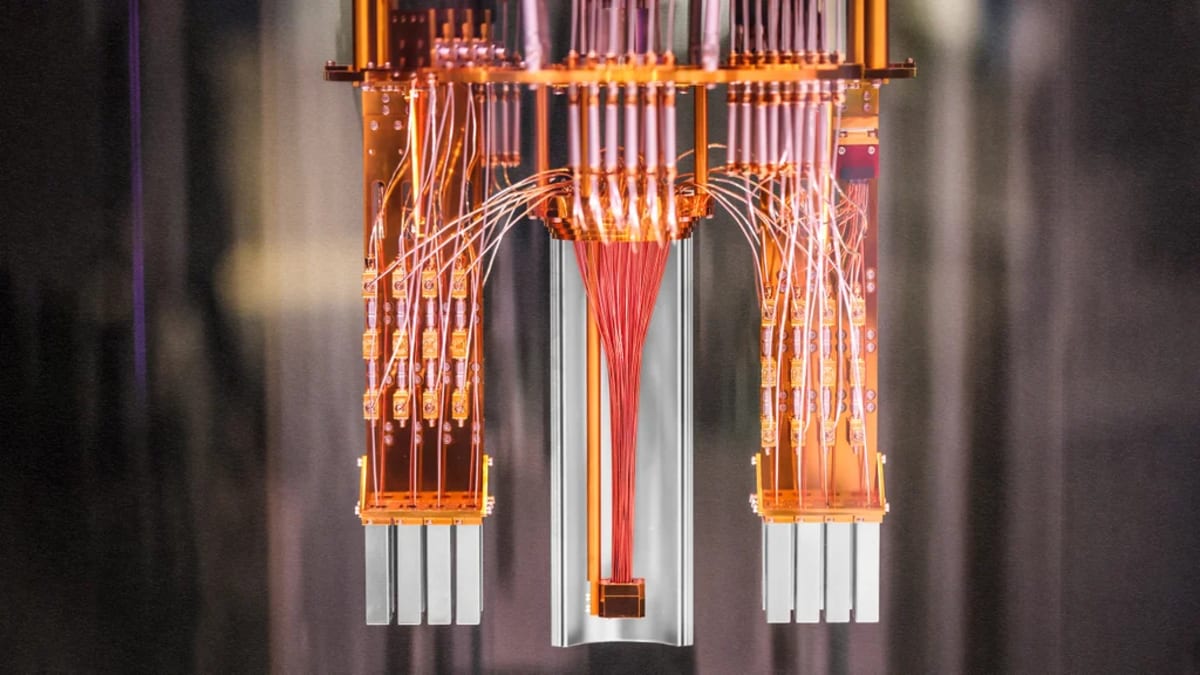
The superconducting approach uses ultra-cold circuits to create qubits that compute incredibly fast. KRISS already built a 20-qubit system in 2024 and even launched a cloud service allowing researchers worldwide to access it online.
The neutral-atom method uses lasers to trap individual atoms as qubits, offering the potential for much larger systems. This approach could maintain quantum states longer and arrange thousands of qubits with precision.
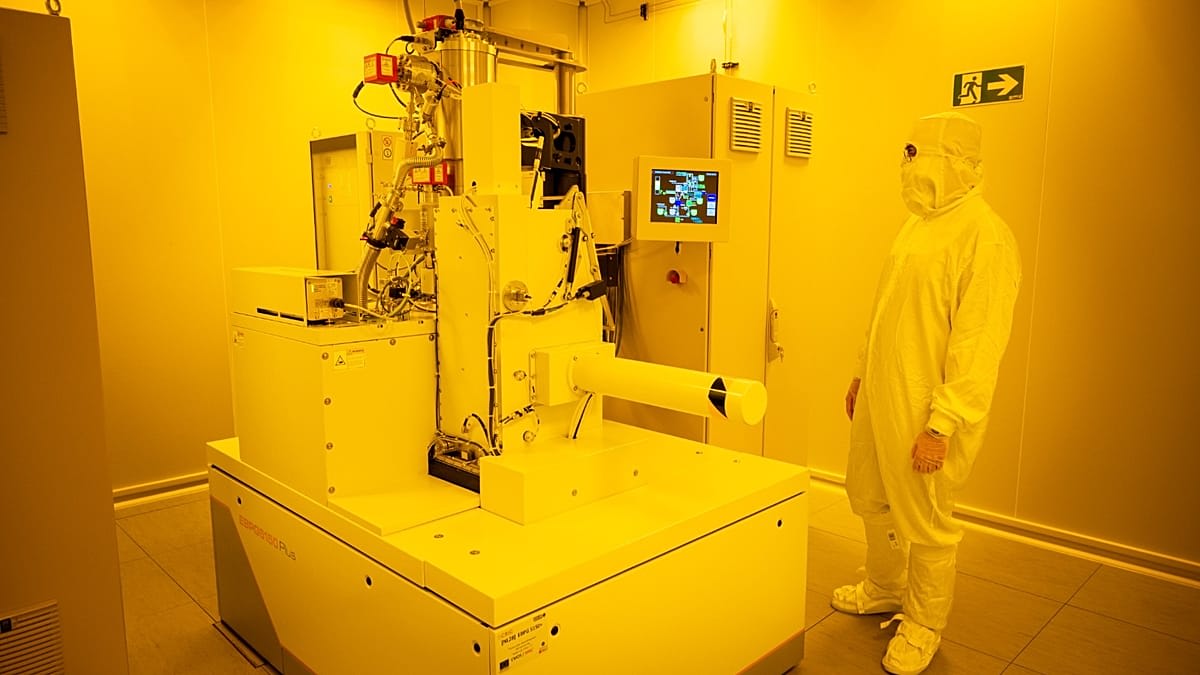
By 2035, South Korea aims to leverage its world-class semiconductor manufacturing expertise to create a "K-Quantum Foundry" capable of producing quantum chips at commercial scale. The country is also developing quantum gravimeters that could enable GPS-free navigation for defense and underground exploration.
The Ripple Effect
South Korea's quantum ambitions extend beyond national pride. As US-China tensions escalate around quantum technology, having more independent players developing these systems benefits global innovation and prevents any single country from monopolizing breakthrough capabilities.
The dual-track strategy also offers a safety net. If one approach hits technical roadblocks, the other provides an alternative path forward, ensuring the country's quantum future remains secure.
Director Choi Jae-hyuk of KRISS's Quantum Technology Institute emphasized that decades of expertise in atomic control and cryogenic systems give South Korea a strong foundation. The plan combines speed and integration from superconducting qubits with massive scalability from neutral atoms.
As quantum computing moves from laboratory curiosity to practical tool, South Korea is ensuring it won't be left watching from the sidelines but actively shaping the technology that could transform medicine, materials science, and climate modeling.
More Images


Based on reporting by Regional: south korea technology (KR)
This story was written by BrightWire based on verified news reports.
Spread the positivity!
Share this good news with someone who needs it