South Korea Targets Dementia Cure by 2035
A Korean research institute is racing to develop the world's first true dementia treatment by 2035, with three promising drug candidates already in clinical trials. The team believes their unique approach could finally crack the code on Alzheimer's disease.
South Korea's Brain Science Institute just set an ambitious deadline that could change millions of lives: develop an approved dementia treatment by 2035.
The stakes couldn't be higher. South Korea became a super-aged society in December 2024, with over 20% of its population now 65 or older. By 2026, the nation expects to have more than 1 million dementia patients.
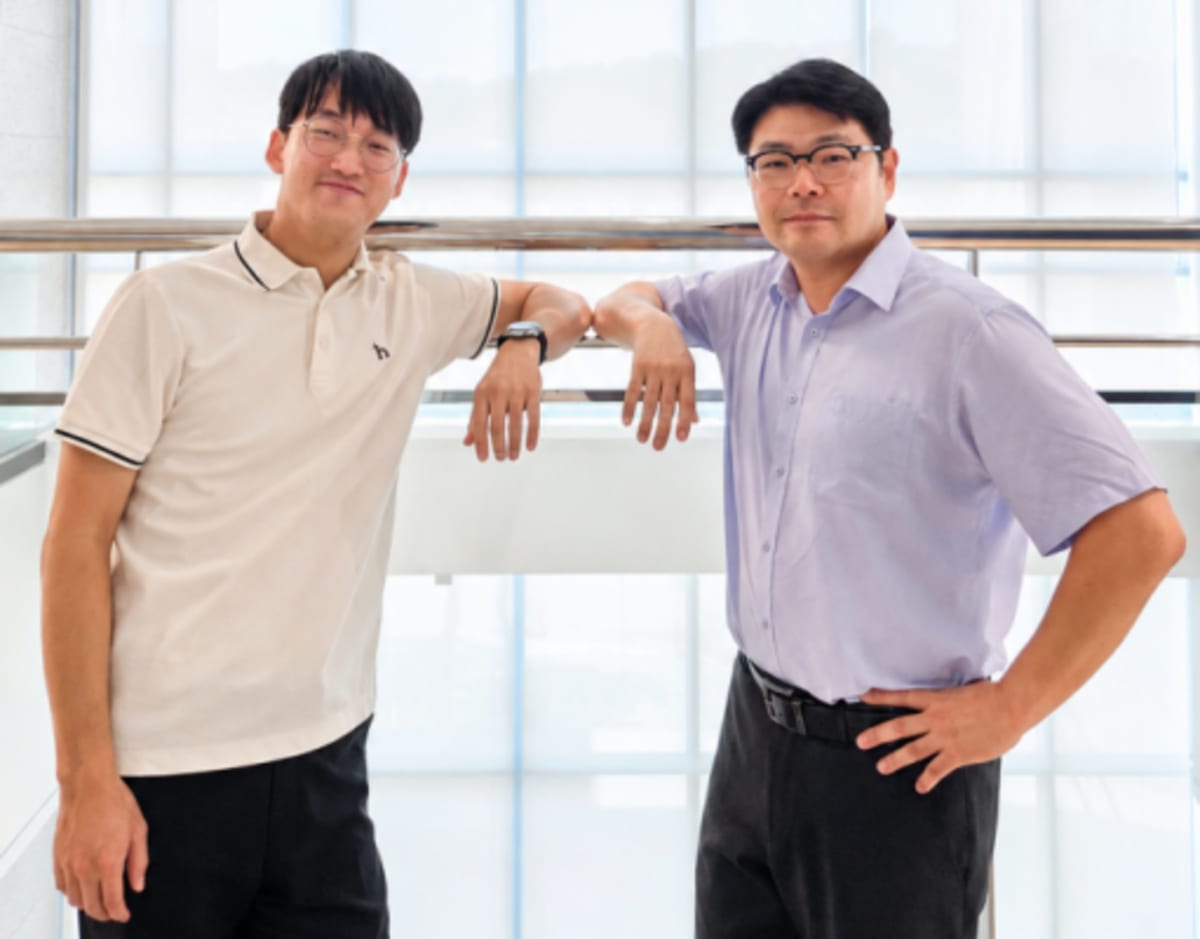
Director Park Ki-deok leads the charge at the Korea Institute of Science and Technology, where his team is doing something no other research center attempts. They handle everything under one roof: basic brain research, drug development, diagnostics, and clinical trials.
"We're the only research institute in the world that conducts everything from basic brain research to drug development and diagnostics in one place," Park explained from the institute's Seoul campus.
The numbers tell the story of how hard this challenge really is. Only one or two out of ten drug candidates make it through clinical trials to approval. So the team isn't betting on just one horse. They're developing seven different candidate drugs simultaneously.
Three of those candidates have already entered Phase 2 clinical trials. That's remarkable progress in the notoriously difficult field of dementia research.
Currently, only two drugs can slow Alzheimer's progression: lecanemab and donanemab. Both come with serious risks like brain swelling and bleeding, and they only slow cognitive decline by about 30%. That's not a cure. That's barely a Band-Aid.
The Brain Science Institute's secret weapon is convergence. Neuroscientists work alongside electrical engineers, mechanical engineers, and other specialists. Universities can't afford this scale of operation. The institute's animal testing facility alone costs over 1 billion won yearly to maintain.
Private companies won't commit to long-term dementia research because profits come too slowly. That's where government-funded institutes bridge the gap, tackling problems that require patience and deep pockets.
Park also co-founded Cureverse, a spin-off company working to commercialize the institute's dementia treatment technologies. About a decade ago, Korean researchers agreed that government labs needed to move beyond just publishing papers. They needed to deliver real solutions.
The Ripple Effect
If South Korea succeeds, the impact extends far beyond its borders. Alzheimer's affects over 55 million people worldwide, a number expected to triple by 2050. Every major pharmaceutical company has tried and largely failed to crack this disease.
A breakthrough from South Korea would prove that focused government investment in medical research pays dividends. It would also show that mid-sized nations can compete with pharmaceutical giants when they organize resources smartly.
The institute's approach of combining basic research with practical application offers a model other countries could follow for tackling their own healthcare challenges.
Ten years might seem like a long wait, but in pharmaceutical development, it's lightning fast. For the millions of families watching loved ones slip away to dementia, 2035 represents something precious: genuine hope for a cure.
More Images


Based on reporting by Google News - Disease Cure
This story was written by BrightWire based on verified news reports.
Spread the positivity!
Share this good news with someone who needs it