South Korea Targets Top 3 AI Nation With New Research Push
South Korea just announced ambitious plans to break into the world's top three AI nations, backed by massive computing infrastructure and expanded support for young scientists. The country already ranks third globally in notable AI models and first in AI patents per capita.
South Korea is making a bold bet on artificial intelligence, and the momentum is already showing.
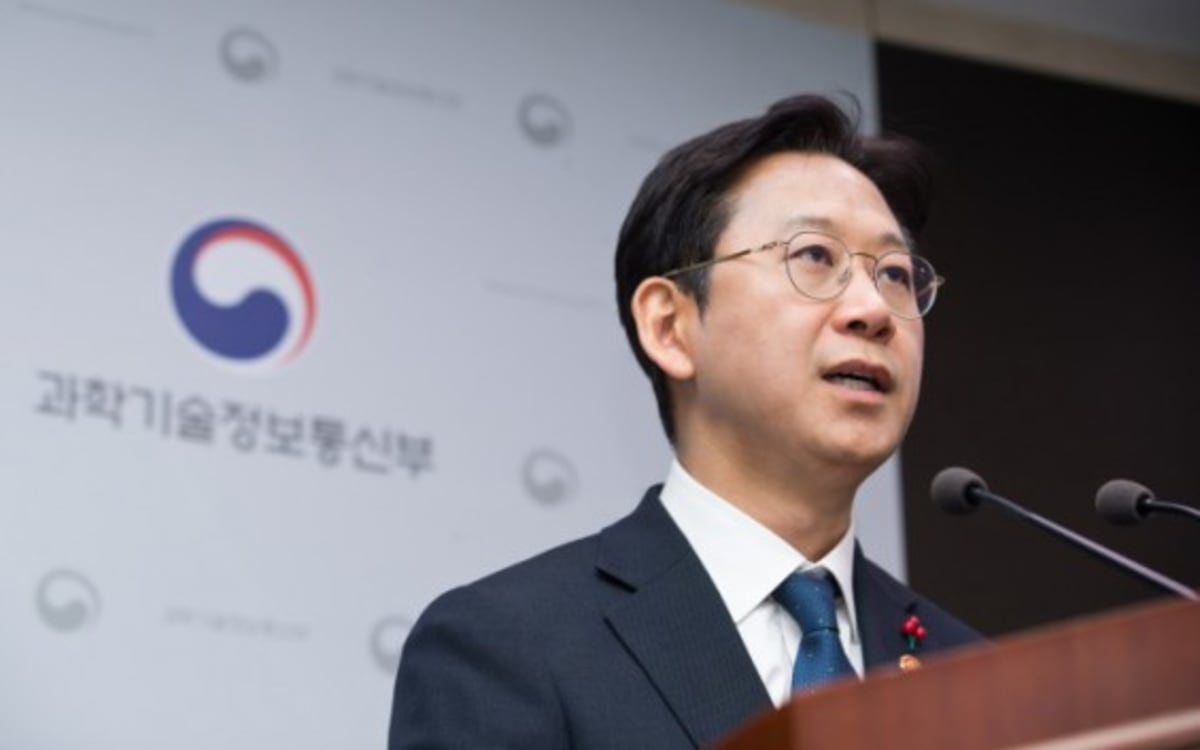
Prime Minister Kim Min-seok announced sweeping new research and development initiatives at the 2026 Science and ICT Day Ceremony in Seoul on April 21st. The goal is clear: transform South Korea into one of the world's top three AI powerhouses while cementing its place among the five leading science and technology nations globally.
The country isn't starting from scratch. According to a recent Stanford University report, South Korea ranked third worldwide in notable AI models released in 2025, trailing only the United States and China. Even more impressive, the nation has held the number one spot in AI patents per 100,000 people for two consecutive years running.
Prime Minister Kim outlined concrete steps to accelerate this progress. The government will build a major AI computing center powered by 260,000 advanced GPUs secured last year. Officials are also committed to developing a proprietary AI model that ranks in the world's top 10 and establishing South Korea as a global AI hub.
Support for researchers is getting a significant boost too. Following the elimination of preliminary feasibility studies for research and development projects in January, the government is creating what Kim called an "ecosystem centered on autonomy and creativity." Expanded scholarships and research grants will help young scientists focus on their work without financial stress.
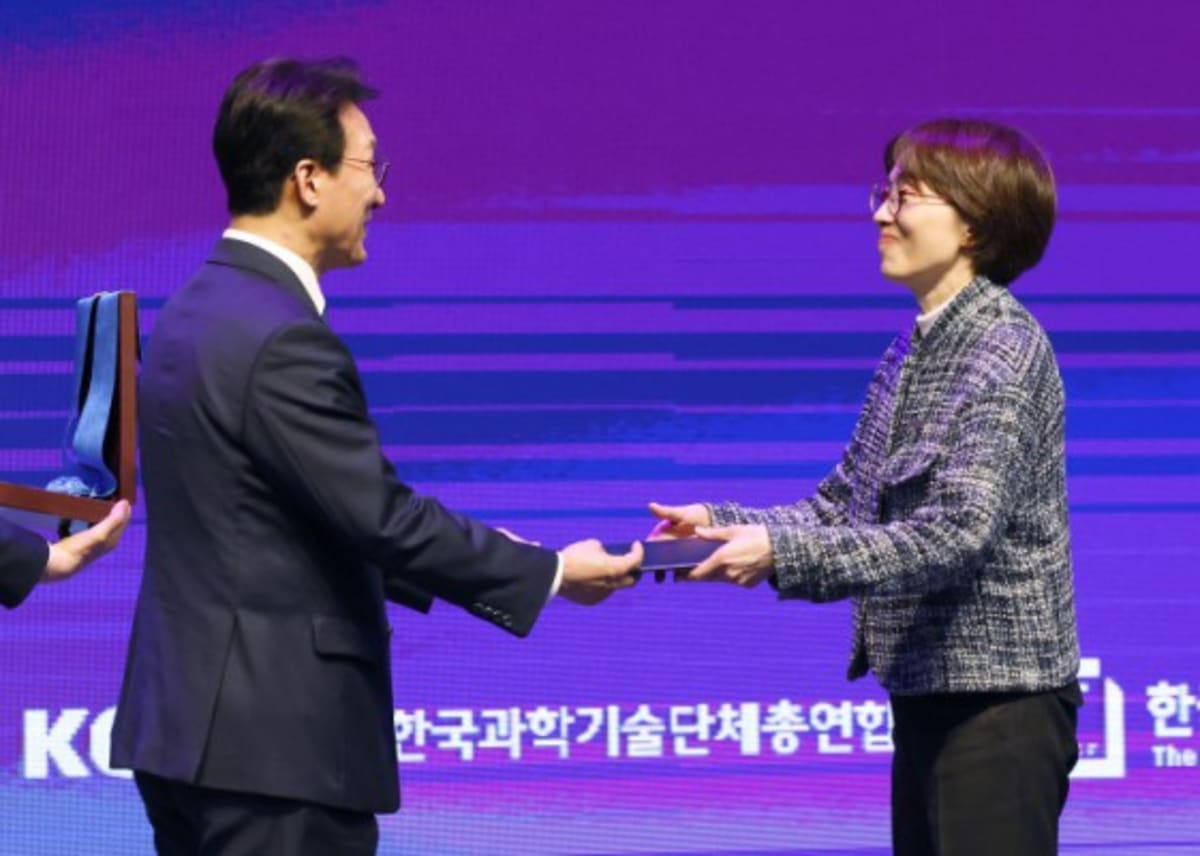
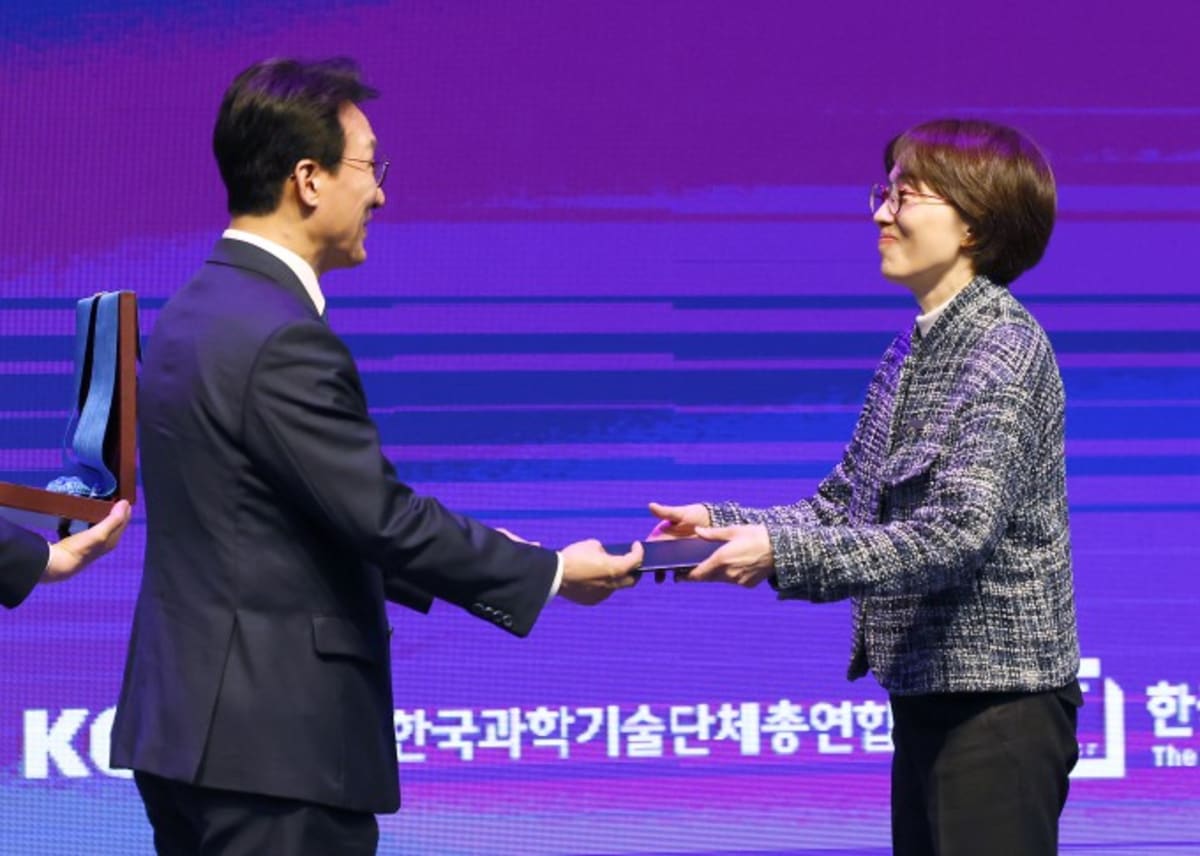
The ceremony honored 164 individuals who've driven Korea's scientific advancement. Among them was Professor V. Narry Kim of Seoul National University, who received the prestigious Changjo Medal for groundbreaking RNA research. Professor Jungsang Kim of Duke University earned the same honor for advancing quantum computer commercialization technologies.
The Ripple Effect
South Korea's scientific journey started humbly. When Science Day was first established in 1968, the entire science and technology budget was just 6.8 billion won. Today, that investment has paid off exponentially, building a nation that competes with the world's biggest players in cutting-edge technology.
The impact extends beyond raw numbers. The scientific community itself is becoming more inclusive, with female directors at the Korean Federation of Science and Technology Societies increasing from 10% to 25%. Regional representation jumped from 20% to 40%, ensuring diverse perspectives shape Korea's scientific future.
Prime Minister Kim acknowledged the challenges ahead, including international pressures and economic headwinds. But he emphasized that innovation comes from scientists, engineers, and public support working together, not just government mandates.
President Lee Jae-myung's message to the ceremony captured the stakes perfectly: "Nations that invest in and show interest in science will prosper."
South Korea is betting its future on that promise, and the early returns look bright.
More Images


Based on reporting by Regional: south korea technology (KR)
This story was written by BrightWire based on verified news reports.
Spread the positivity!
Share this good news with someone who needs it