AI Robots Run 30,000 Lab Experiments in 6 Months
Scientists have built autonomous labs where AI-powered robots design and conduct their own experiments, slashing research costs by 40%. What once took months of painstaking human work now happens faster than ever.
Four MIT graduates spent years eating ramen and scraping together used equipment from eBay, chasing a dream most investors thought was ridiculous. They wanted robots to replace the tedious work of mixing chemicals and pipetting samples in biology labs.
"We were living on ramen, buying equipment on eBay, and we could not raise venture capital," says Jason Kelly, remembering those early days. The idea seemed outlandish: programming cells would one day matter more than programming computers.
Then artificial intelligence changed everything. Today, Kelly and his former classmates run Ginkgo Bioworks, a company operating autonomous laboratories in a building overlooking Boston harbor.
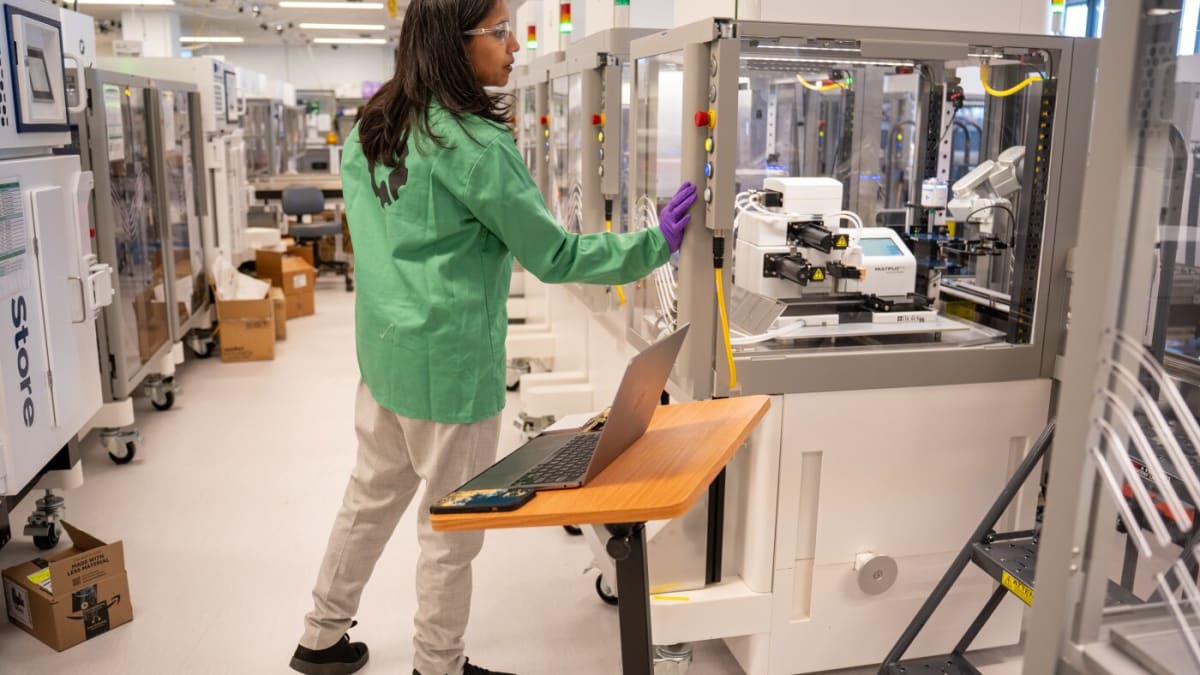
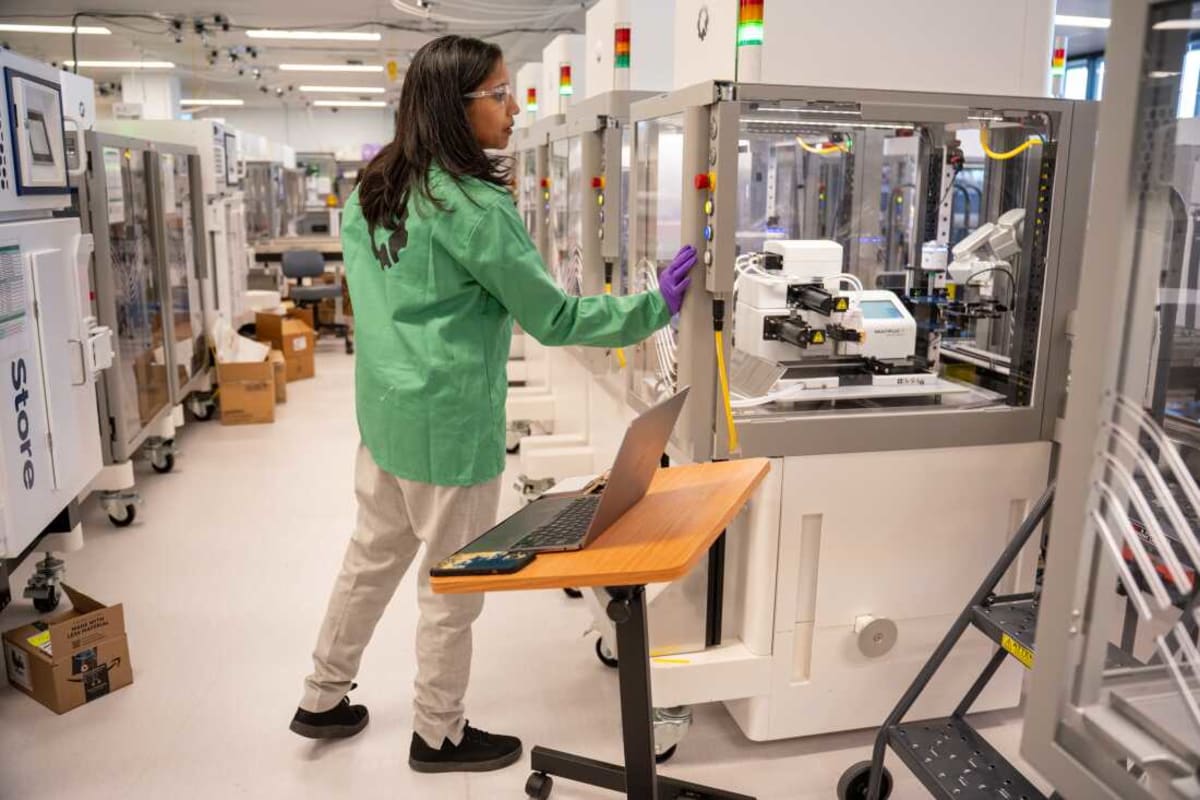
Inside, robots work around the clock on separate science projects. They don't look human at all. Glass cases house one-armed machines that pipette samples, mix chemicals, and ferry petri dishes full of living cells along tracks resembling an oversized toy train set.
A giant screen displays color-coded schedules showing each robot's experiments for the day. Current projects range from engineering microbes for better fertilizer to creating proteins that make snow and ice.
The biggest breakthrough came recently when the team partnered with OpenAI. Instead of just following instructions, they challenged ChatGPT to actually design experiments and create a specific protein on its own.
"We had no idea if it would even be able to make protein," says co-founder Reshma Shetty. The AI didn't just succeed. It ran more than 30,000 experiments in six months and reduced costs by 40 percent compared to human scientists.
Shetty remembers the moment everything clicked. "The really wild moment was the first time I saw a lab notebook entry written by the model," she says.
The Ripple Effect
This breakthrough could accelerate discoveries across medicine, agriculture, and climate science. Experiments that once required months of careful human labor now happen in days. Pharmaceutical research, fertilizer development, and countless other innovations can move faster than ever before.
Both Kelly and Shetty emphasize that humans remain essential to ask the right questions and set proper constraints. But AI has already fundamentally transformed how science happens, turning what seemed impossible into the new normal.
The four graduate students who couldn't raise money are now proving their wild bet was right all along.
More Images



Based on reporting by NPR Science
This story was written by BrightWire based on verified news reports.
Spread the positivity!
Share this good news with someone who needs it
.jpg%3Fitok%3DHHGtzxmb)