South Korea Tests Parking Robots to Fix Urban Space Crisis
Tiny robots are sliding under cars at a Seoul apartment complex, solving one of urban living's biggest headaches while helping South Korea rewrite its parking laws. The trial could unlock up to 50% more parking in cities worldwide without breaking ground.
Residents at a South Korean apartment complex are now parking their cars without ever touching the wheel, thanks to flat robots that do the heavy lifting for them.
Two synchronized robots, each just 4.3 inches thick, slide under a parked car's front and rear axles at the Hillstate complex in Siheung. Using laser sensors that map wheel positions down to the millimeter, they lift the entire vehicle and carry it at walking speed to an open spot, moving in any direction without needing to turn.
When residents want their car back, they tap a smart pad in their apartment. The robots fetch the vehicle and send it up on the elevator.
South Korea didn't pick this technology for novelty. With more than 530 people per square kilometer and 82% of the population in cities, the country faces a math problem that concrete alone can't solve. Apartments built decades ago now house families with cars, but the underground garages haven't grown.
The result shows up in fender benders, wasted time circling for spaces, and poor air quality from idling engines in enclosed basements.
The Ripple Effect
The real breakthrough isn't robotic precision. It's geometry.
Every traditional parking space needs roughly 28 to 30 inches on each side so drivers can open doors and squeeze out. Driving aisles must be wide enough for full-size vehicles to turn. Robots eliminate both requirements because no human is ever in the car while it moves.
The same basement floor that held 53 spaces with conventional parking can hold 20% to 50% more when robots pack cars just inches apart. No jackhammers, no new construction, just smarter use of space that already exists.
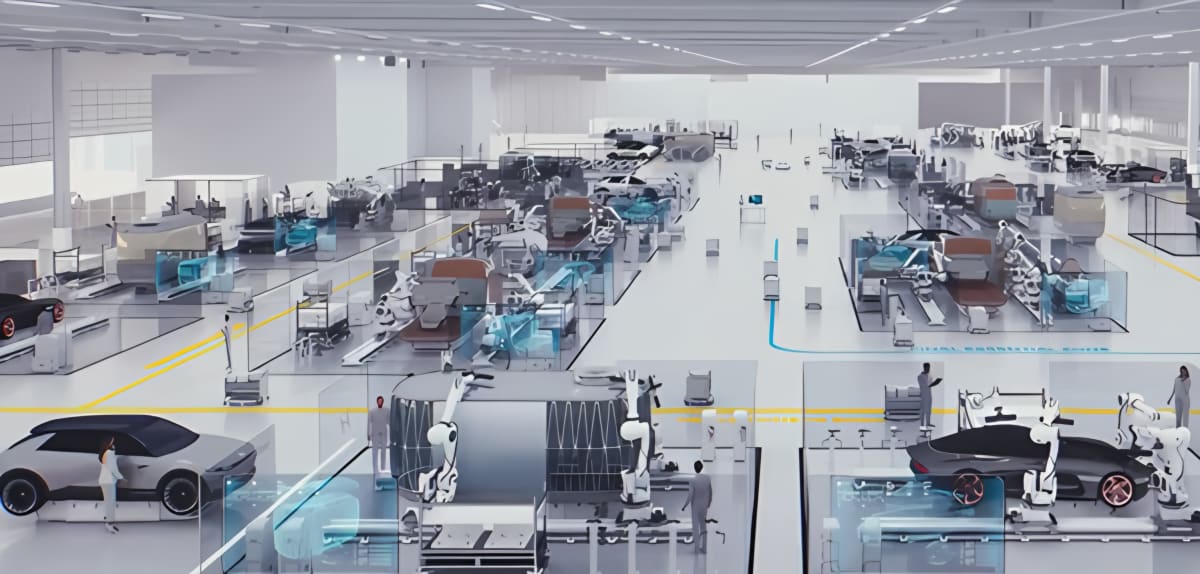
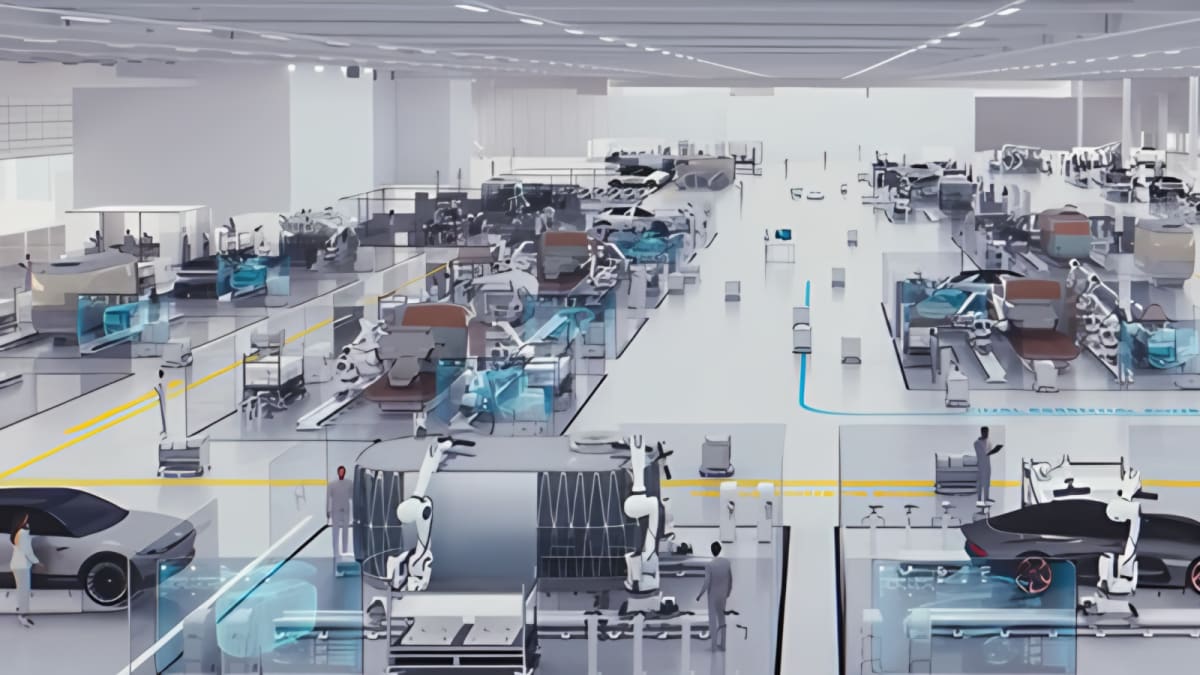
Hyundai Wia's system has been running commercially since 2023 at the company's Singapore innovation center, then deployed at a Georgia manufacturing plant and a Seoul office building. This Siheung trial is different because it's residential, government-funded, and designed specifically to generate data that will change national law.
South Korea's Ministry of Land runs a regulatory sandbox that lets companies test technologies existing law doesn't clearly cover, then uses real-world results to rewrite those rules. The parking robot trial is feeding that process right now.
The control software managing the fleet is where the hard engineering lives. When a resident needs their car but it's boxed in by others, the system must figure out which vehicles to temporarily move without creating cascading traffic jams. The pilot is stress-testing that logic with actual families, not controlled factory conditions.
Hyundai is already developing a next-generation system that can coordinate 100 robot pairs managing roughly 4,000 spaces on a single garage level.
Cities worldwide face the same squeeze between car ownership and available space. South Korea is showing them a path that doesn't require tearing up streets or building billion-dollar structures—just letting the cars float a few inches off the ground.
More Images


Based on reporting by Regional: south korea technology (KR)
This story was written by BrightWire based on verified news reports.
Spread the positivity!
Share this good news with someone who needs it