South Korea Turns E-Waste Into Rare Earth Minerals
A major South Korean company is pioneering a way to extract critical rare earth minerals from discarded electronics, offering a breakthrough solution for the country's supply chain challenges. Korea Zinc's urban mining technology could help nations reduce dependence on foreign mineral sources while tackling electronic waste.
South Korea just found a way to turn yesterday's gadgets into tomorrow's technology, and it could change how countries secure the minerals that power everything from electric cars to fighter jets.
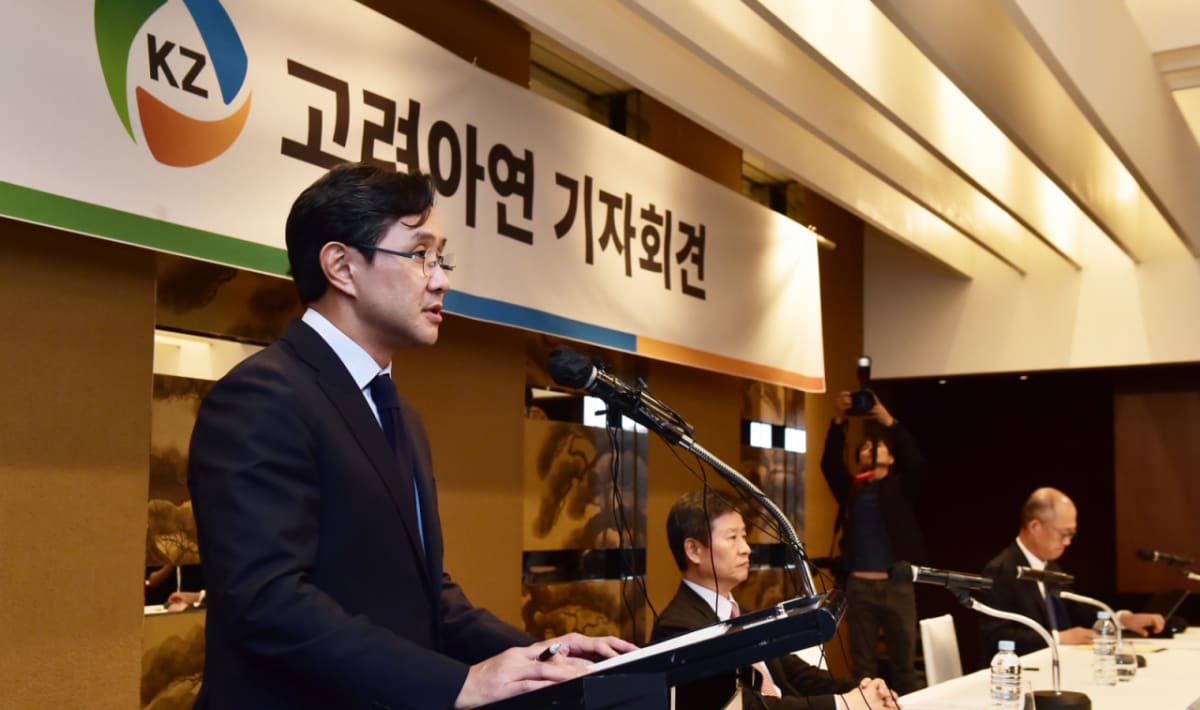
Korea Zinc, a leading refinery company, is extracting rare earth minerals from electronic waste and discarded magnets through a process called urban mining. The Korea Development Bank recently highlighted this innovation as a game changer for South Korea's critical mineral supply chain.
Rare earth minerals are essential building blocks for electric vehicles, wind turbines, smartphones, and advanced weapons systems. China currently controls most of the global supply, creating vulnerabilities for countries that depend on these materials. South Korea has virtually no domestic rare earth reserves, making this breakthrough especially significant.
Korea Zinc is leveraging decades of expertise in non-ferrous metal refining to recover these valuable materials from items people throw away every day. The company already recovers precious metals from various secondary materials generated during zinc and lead refining processes. Now they're applying that same technical know-how to extract rare earths from waste motors and permanent magnets.
The company isn't stopping at South Korea's borders. Korea Zinc is building Project Crucible, a massive integrated refinery in Clarksville, Tennessee, in partnership with the U.S. government. The facility will produce 11 critical minerals and includes a dedicated rare earth recycling plant. This positions Korea Zinc as a key partner in America's efforts to build a reliable supply chain independent of hostile nations.
The Ripple Effect
This technology addresses two global challenges at once. Electronic waste is one of the fastest growing waste streams worldwide, with millions of tons of old phones, computers, and appliances piling up each year. Meanwhile, nations are racing to secure reliable sources of rare earth minerals as demand skyrockets for green energy and advanced technology.
Urban mining offers an elegant solution: extract valuable minerals from waste that would otherwise pollute landfills. South Korea's advanced refining technology and environmental treatment infrastructure make it uniquely positioned to scale this approach. The country is already a major hub for electronics manufacturing, meaning there's no shortage of source material.
Other countries are watching closely. If Korea Zinc's model succeeds, it could provide a blueprint for nations looking to reduce dependence on single-source mineral supplies while simultaneously tackling electronic waste problems. The company is developing separation and refining technologies that could be adapted globally.
From April 2024 through December 2030, Korea Zinc is undertaking a rare earth processing equipment development project supported by South Korea's Ministry of Science and ICT. The company emphasizes that its work will help stabilize not just South Korea's supply chain but also support allies including the United States in building more resilient critical mineral networks.
Tomorrow's rare earth minerals might just be hiding in today's junk drawer.
More Images



Based on reporting by Google News - South Korea Breakthrough
This story was written by BrightWire based on verified news reports.
Spread the positivity!
Share this good news with someone who needs it