South Korea's Chip Industry Enters AI-Driven Golden Age
Wall Street veteran Johnny Wu predicts South Korea's semiconductor companies could dominate the AI revolution for over a decade. The country's 20-year head start in chip technology has created advantages that competitors can't easily match.
South Korea's decades of patient investment in semiconductor technology is about to pay off in a massive way, according to a Wall Street expert who has spent 20 years watching global markets.
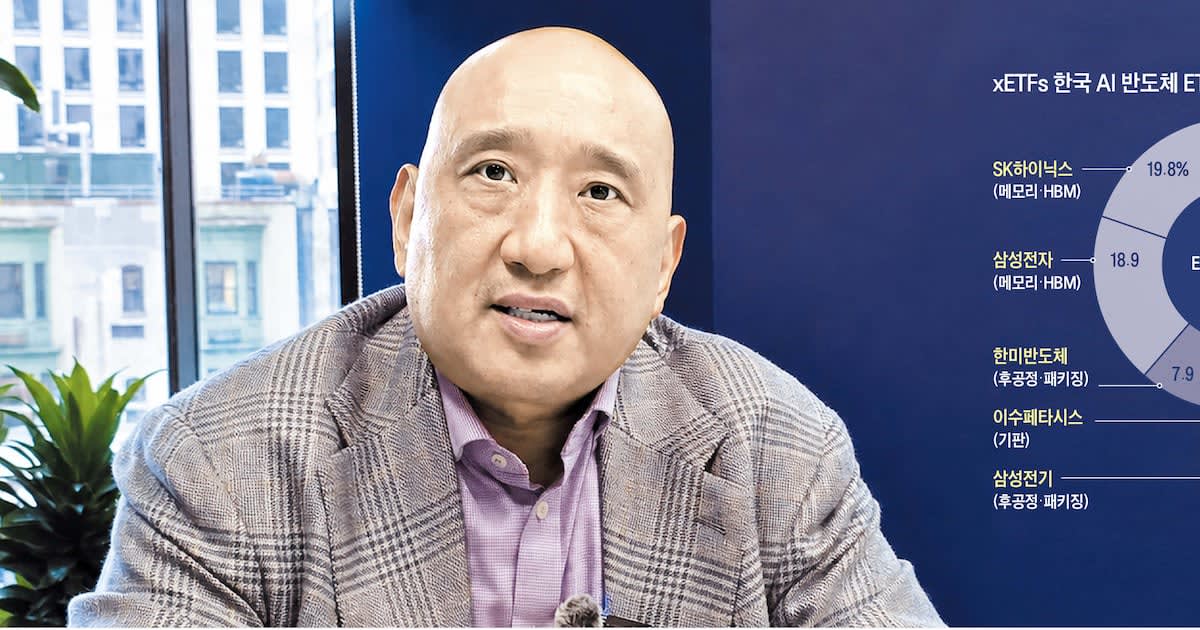
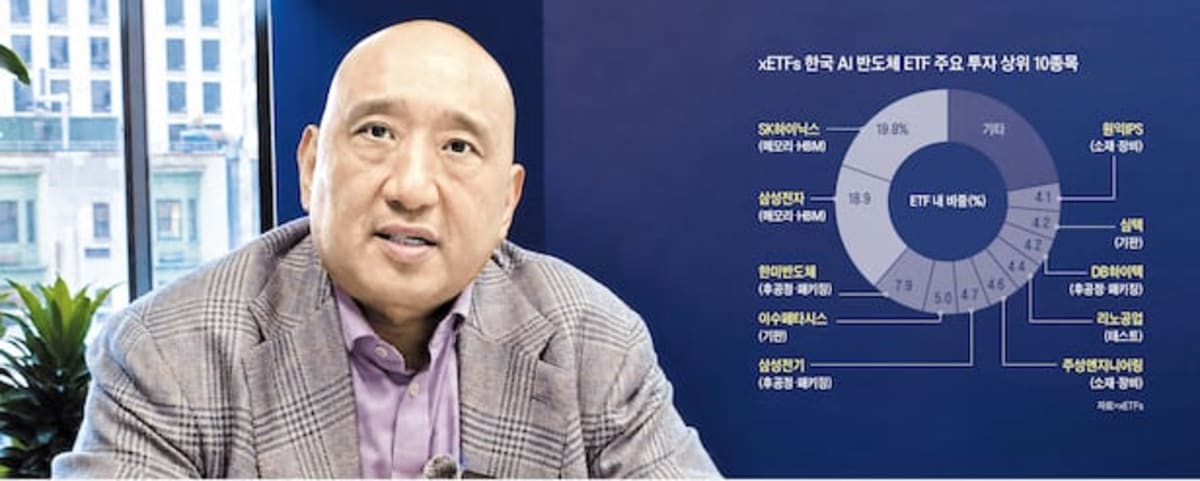
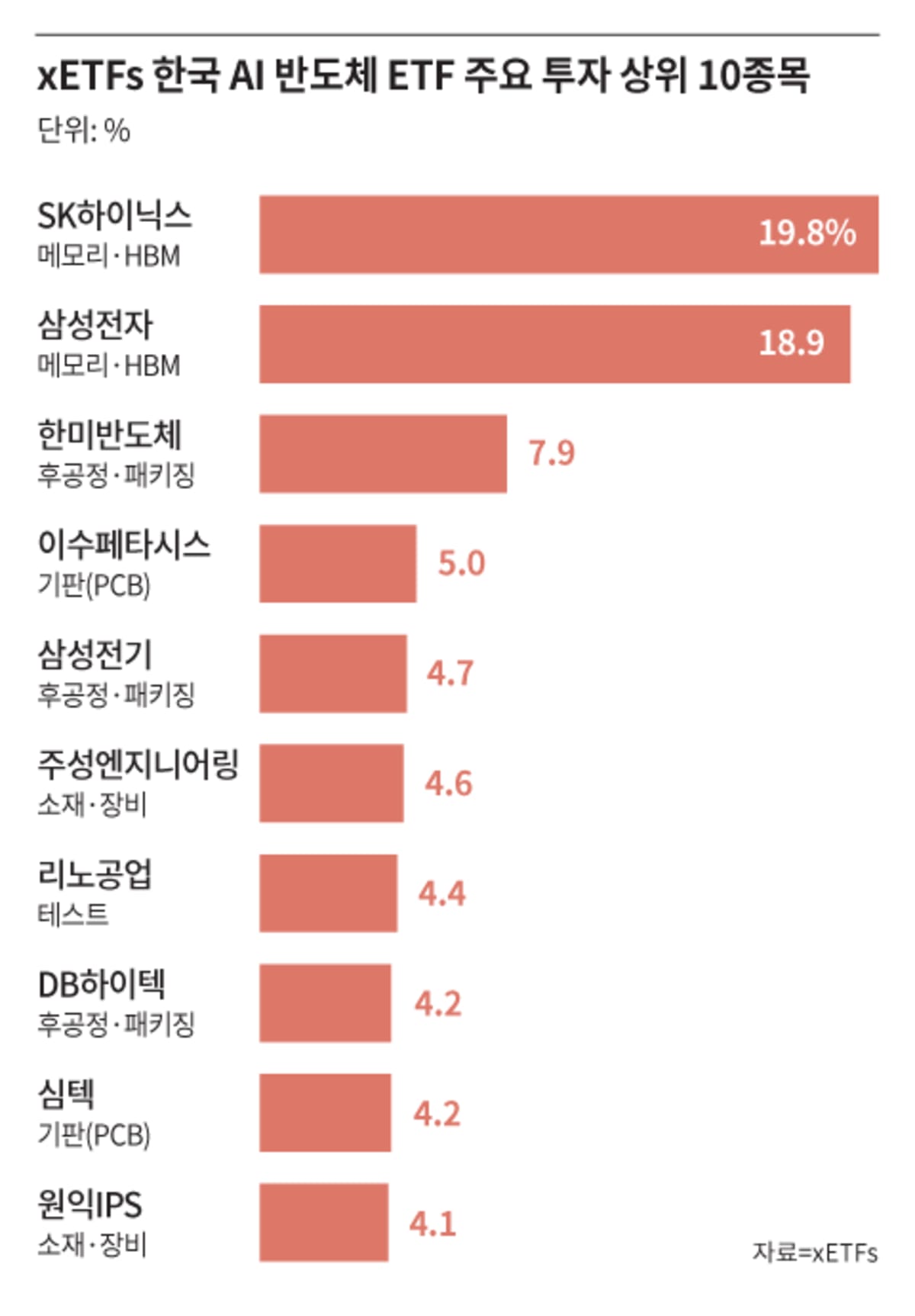
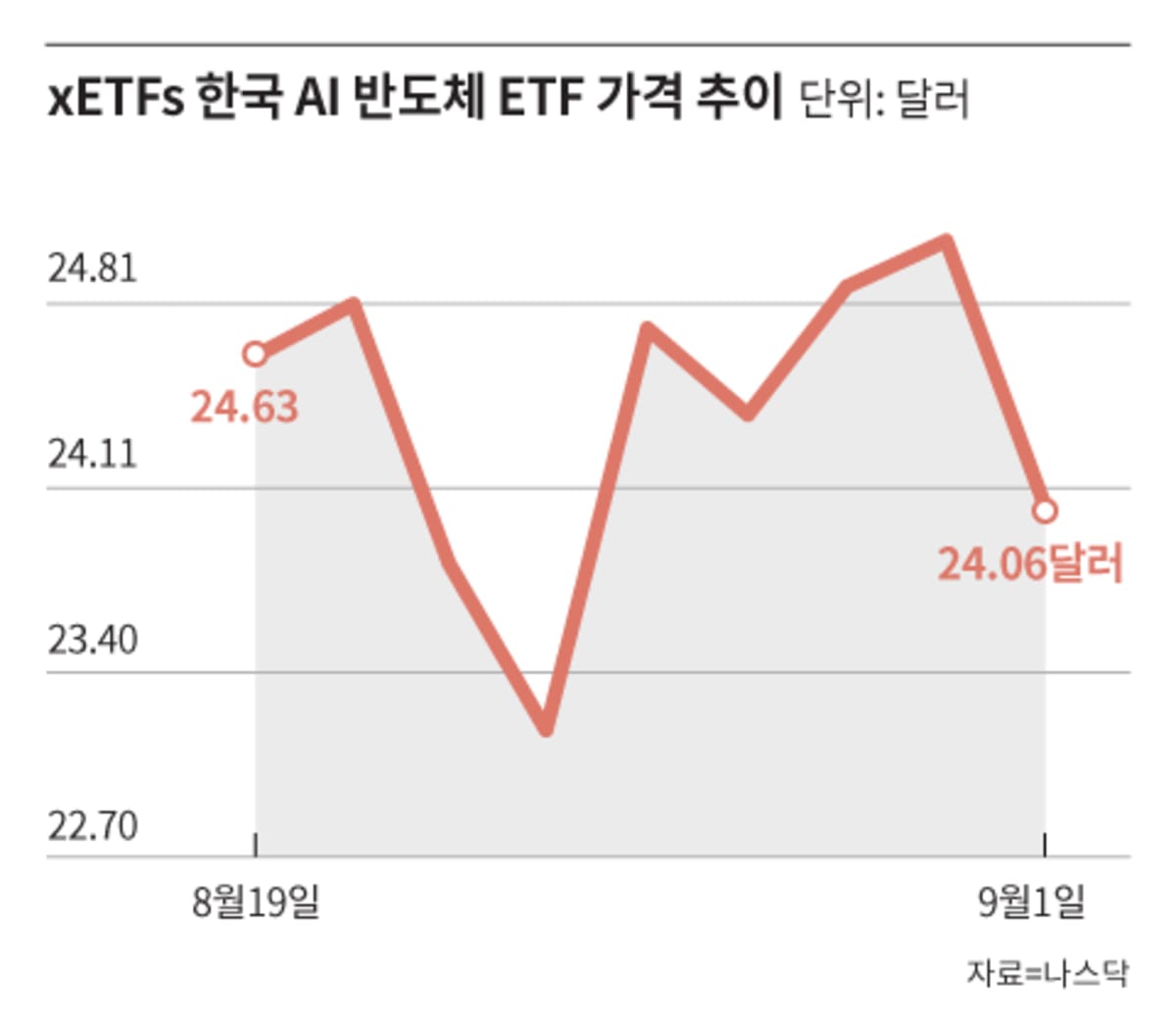
Johnny Wu, CEO of xETFs and former Barclays executive, believes South Korea is entering an economic golden age that could last more than 10 years. The reason? Companies like SK Hynix and Samsung Electronics built such deep expertise in advanced chips that the rest of the world can't catch up quickly.
"South Korea planted that tree a long time ago," Wu told WEEKLY BIZ in September 2026 from his Manhattan office. "The moat built by these companies is incredibly deep."
The timing couldn't be better. Tech giants like Amazon, Microsoft, Meta and Google are expected to spend between $600 billion and $1 trillion building AI data centers over the next few years. They're racing to offer the best AI services, which means they need the fastest chips and most advanced memory technology available.
That's where South Korea shines. SK Hynix and Samsung dominate the production of high-bandwidth memory (HBM), a critical component that AI systems can't function without. Wu compares it to an arms race where tech companies have little choice but to buy from the leaders.
But the benefits spread far beyond those two giants. Dozens of smaller Korean companies supply components and materials throughout the semiconductor ecosystem. Their geographic proximity to the major manufacturers gives them an edge as AI data centers multiply worldwide.
The Ripple Effect
The good news extends throughout South Korea's economy. Wu points out that the entire supply chain benefits when hyperscalers invest trillions in AI infrastructure, from power and cooling systems to semiconductor equipment makers.
Even if China continues pouring money into catching up, experts estimate it would take five to 10 years just to match today's HBM production capabilities. By then, Korean companies will have moved even further ahead.
Wu acknowledges the semiconductor industry has historically experienced boom-and-bust cycles. Share prices will likely stay volatile, and unexpected shocks can always happen.
What makes this moment different is the fundamental shift in computing demand. Before AI, only humans needed computing power. Now AI agents need it too, potentially multiplying the demand for chips, memory and data center infrastructure for years to come.
South Korea's combination of government support, world-class companies, skilled workforce and technological head start creates advantages other countries can't easily replicate. The country spent two decades building this position, and that patience is about to be rewarded as the AI revolution accelerates globally.
More Images

Based on reporting by Regional: south korea technology (KR)
This story was written by BrightWire based on verified news reports.
Spread the positivity!
Share this good news with someone who needs it