South Sudan Parks Become UNESCO Site, Safe Haven for Birds
South Sudan's newly named UNESCO World Heritage Site protects millions of migrating birds and rare species like shoebills. The designation promises new support for one of Africa's last intact savanna ecosystems.
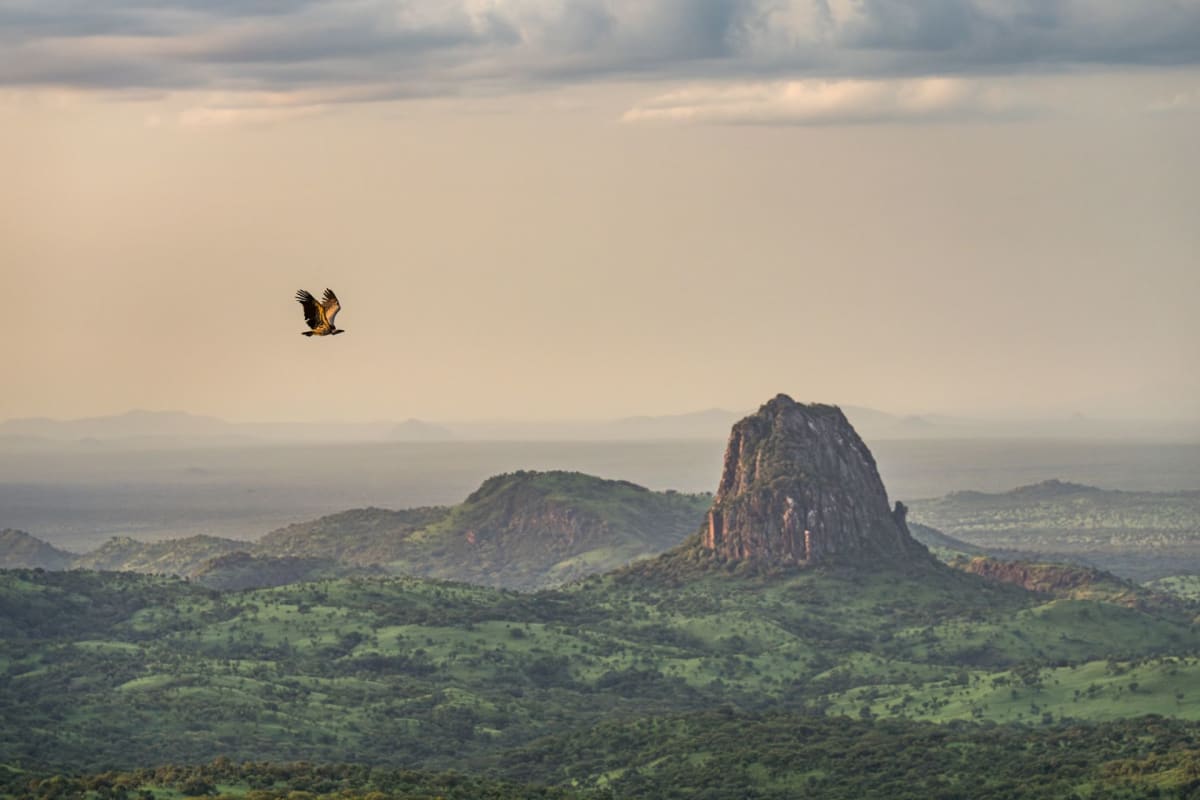
Storks fill the sky above South Sudan's Boma and Badingilo national parks each April, so many they look like flies against the clouds. This massive bird migration is just one reason these parks earned UNESCO World Heritage status this July.
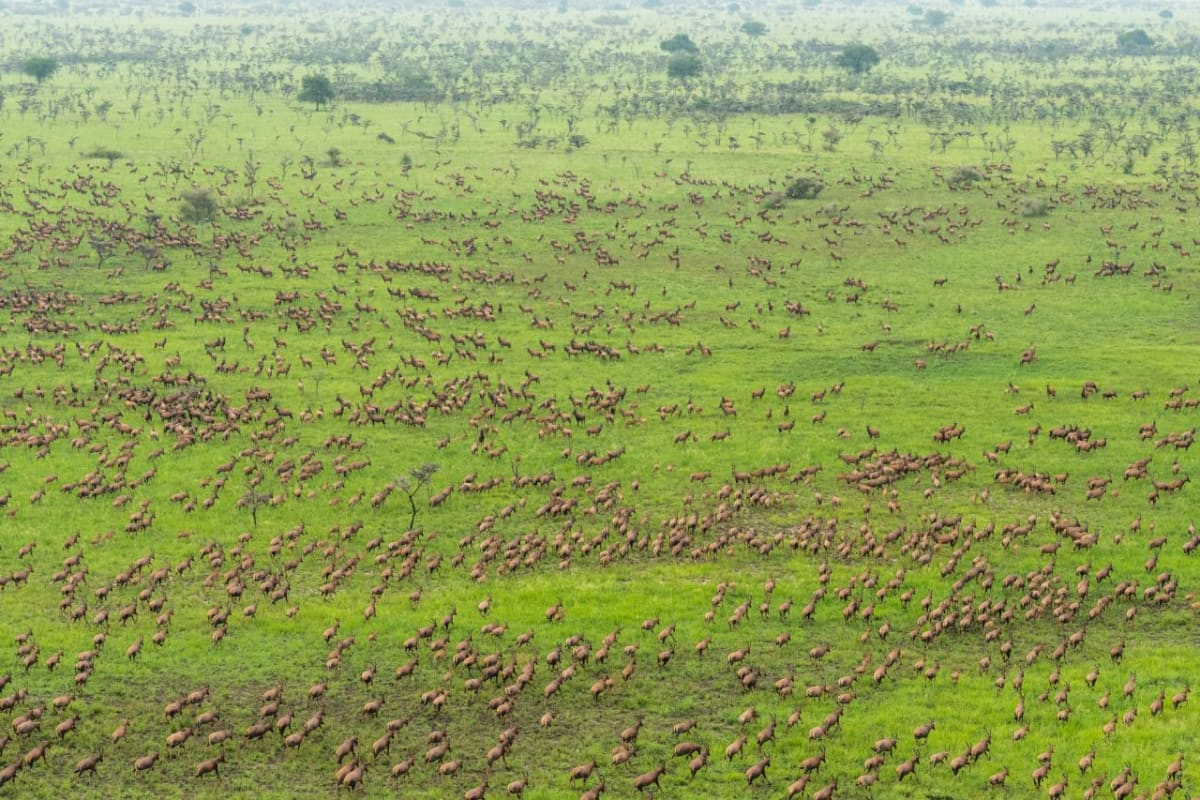
The recognition covers an area the size of North Korea, home to 6 million antelopes and hundreds of bird species. But it's the birds that tell a remarkable story of nature's rhythms across an entire continent.
When the rains arrive, the landscape transforms into a feast for birds. Termite blooms emerge from the ground, waterlogged plains produce abundant snails and mollusks, and birds arrive from thousands of miles away to take advantage.
African openbills use the gap in their uniquely shaped bills to grip slippery snails. Abdim's storks use the region as a staging area on their journey from Southern Africa to breeding grounds in the Sahel, following seasonal rains north.
Woodland kingfishers tracked from South Africa travel more than 4,000 kilometers to reach South Sudan, returning to the exact same nesting trees year after year. They're literally chasing summer across the equator, following weather patterns that bring rain, insects, and food.
The parks also protect shoebills, large gray birds with enormous hooked bills that are vulnerable to extinction elsewhere. Conservationists can spot up to 40 of these rare birds in a single flight over the region's swamps, evidence of healthy populations in a safe habitat.
The Ripple Effect
The UNESCO designation does more than recognize what exists today. It signals to the world that this ecosystem matters, attracting funding and support for conservation work that protects not just South Sudan's wildlife, but migratory species that depend on these lands during critical life stages.
African Parks, which manages Boma and Badingilo with the South Sudanese government, hopes the World Heritage status will bring resources to study migration patterns still shrouded in mystery. Scientists still don't know where all the openbills come from or where exactly many species travel.
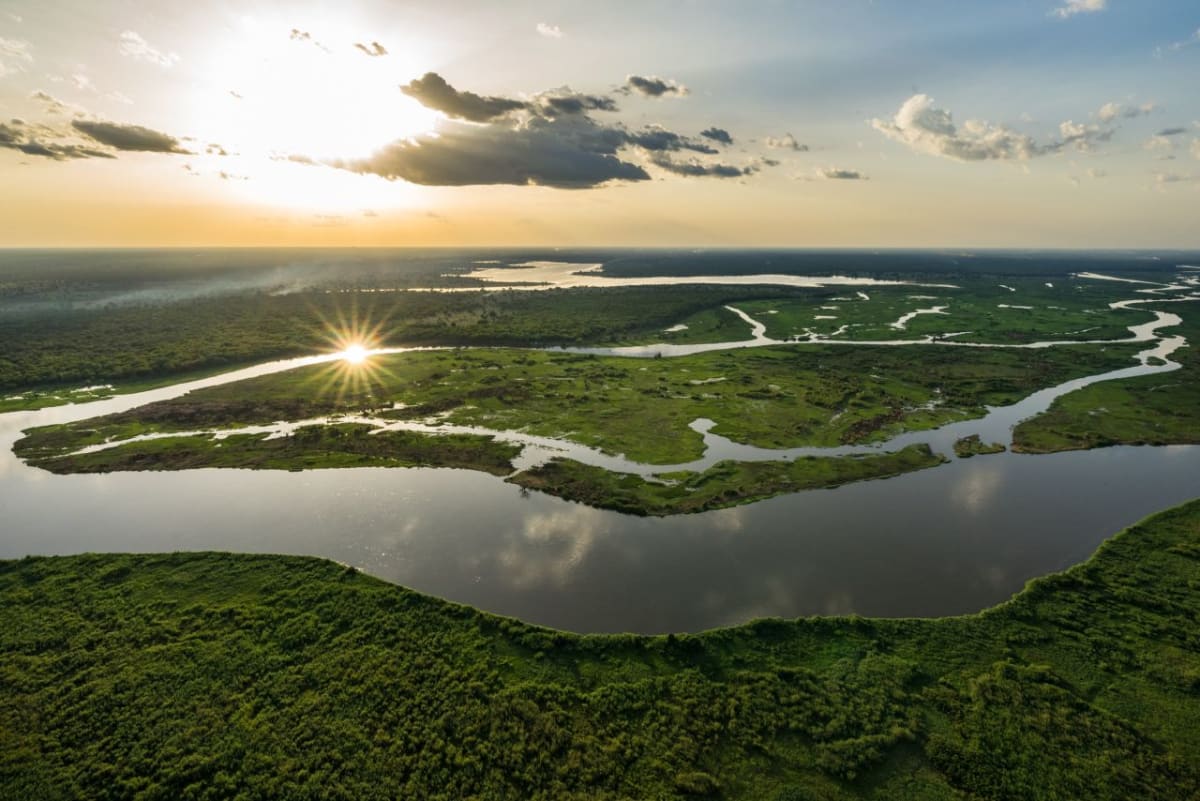
What they do know is that this vast interconnected system of wetlands, swamps, woodlands, and grassy plains represents Africa's largest intact savanna. It's a place where natural cycles continue largely undisturbed, where millions of animals still move freely across the landscape.
The designation ensures that future generations of birds will have a place to land when they follow ancient migration routes across the continent.
More Images

Based on reporting by Mongabay
This story was written by BrightWire based on verified news reports.
Spread the positivity!
Share this good news with someone who needs it