Southeast Asia Reboots Nuclear Power for Clean Energy Future
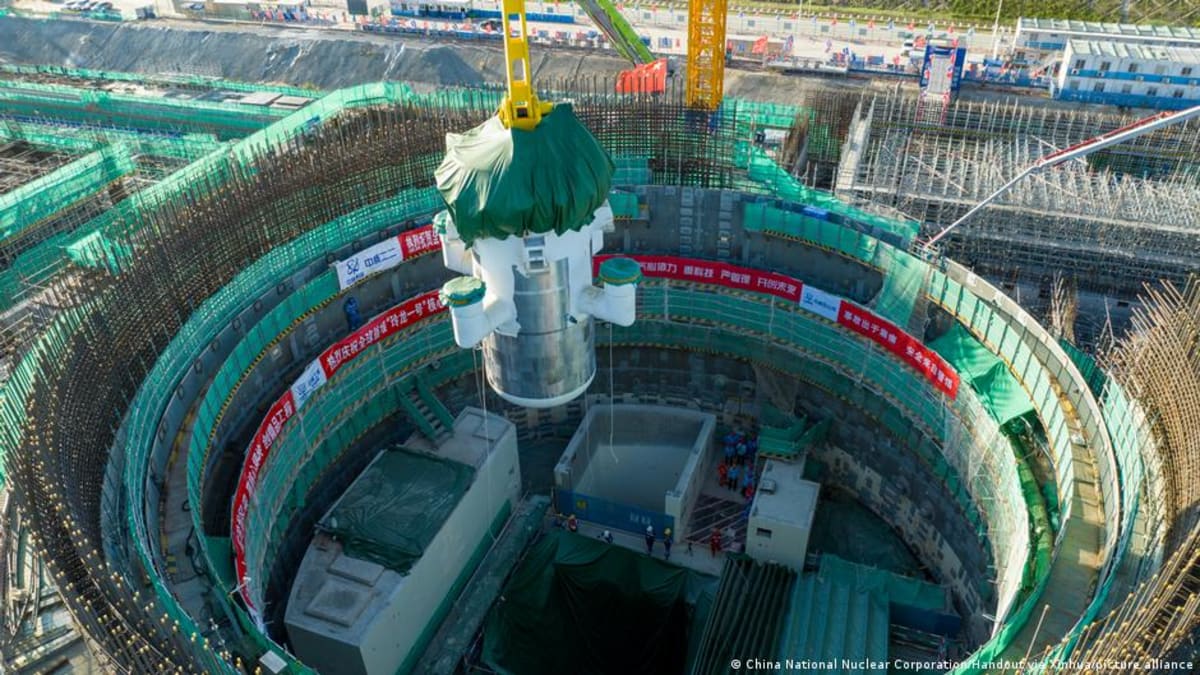
Six Southeast Asian nations are racing to build their first nuclear power plants by the 2030s, turning to new reactor technology to meet soaring electricity demand while cutting carbon emissions. Vietnam, Indonesia, and the Philippines are leading the charge with concrete timelines.
After decades of hesitation, Southeast Asia is finally saying yes to nuclear power, and the momentum is building fast.
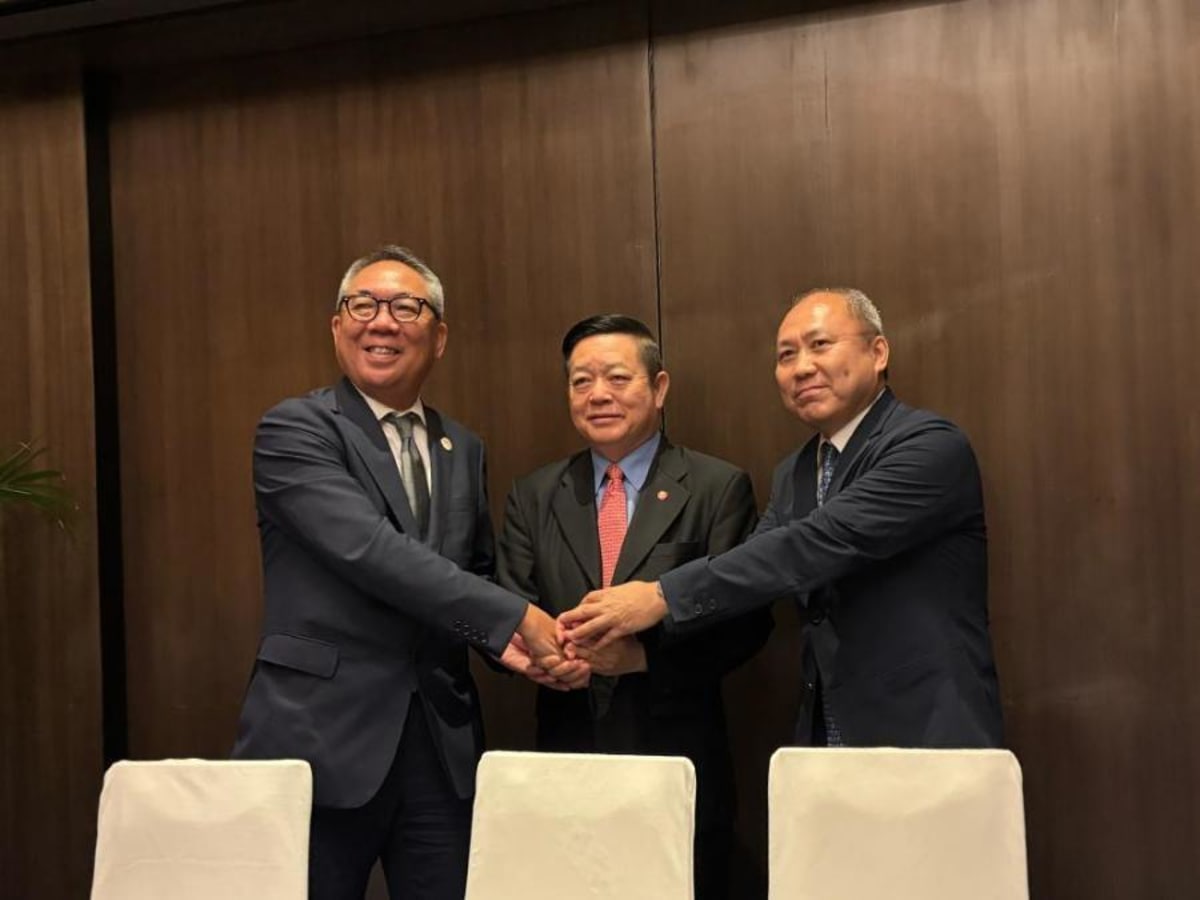
Vietnam and South Korea strengthened plans for the Ninh Thuan 2 nuclear plant this September, aiming for a 2035 launch. Days later, Singapore announced it's studying small modular reactors with an "open mind," marking a significant shift for the densely populated city-state.
Indonesia plans to start generating 500 megawatts of nuclear power by 2032. The Philippines is targeting its first 1,200 megawatts the same year, while Thailand has proposed its inaugural reactor for 2037.
The timing isn't coincidental. Southeast Asia's electricity demand has surged 60% since 2015, with coal filling most of that gap and now powering nearly half the region's grid. The war in Ukraine and Middle East tensions have made energy security urgent, while climate commitments to reach net-zero by 2050 or 2060 loom large.
What's changed since Japan's 2011 Fukushima disaster halted nuclear dreams? The technology itself has transformed. Small modular reactors represent a completely different approach than the massive conventional plants of the past.
These newer SMRs can be built in stages, require smaller upfront investments, and work with smaller electricity grids. That makes them perfect for developing nations that couldn't previously justify billion-dollar megaprojects with decade-long construction timelines.
The data center boom is accelerating the nuclear conversation too. Electricity consumption from regional data centers is expected to more than double by 2030, concentrated heavily in Singapore and Malaysia. These facilities need reliable, round-the-clock power that renewable sources alone can't always provide.
The Bright Side
This isn't just wishful thinking anymore. Vietnam has state-owned energy companies signing formal agreements. Indonesia and the Philippines have set specific capacity targets and dates. Even cautious Singapore is publicly exploring options it once considered too risky.
The countries are learning from past mistakes, building regulatory frameworks and training specialized workforces before construction begins. Public opinion is shifting too; a Philippine government survey found over 70% of respondents now support nuclear energy.
Challenges remain significant. Earthquake zones, volcanic activity, and tsunami risks make site selection critical. Building independent nuclear regulators and radioactive waste management systems takes years. And while SMRs promise cheaper construction through mass production, most designs are still early-stage.
Yet experts see genuine progress. Southeast Asia's electricity demand is forecast to grow 5.3% annually through 2030. Nuclear power offers a path to meet that growth without drowning the region in coal smoke or compromising on reliability.
The shift from "maybe never" to "here's our timeline" marks a turning point for clean energy in one of the world's fastest-growing regions.
Based on reporting by DW News
This story was written by BrightWire based on verified news reports.
Spread the positivity!
Share this good news with someone who needs it