Southern Africa Leaders Unite for Shared Prosperity
Sixteen nations gathered in Durban to turn borders into bridges and transform the region through infrastructure, agriculture, and mineral wealth. The summit celebrated 34 years of Southern African partnership with poetry, culture, and bold promises to deliver jobs and opportunity.
Leaders from across Southern Africa met in Durban this week with a clear mission: transform their shared resources into shared prosperity for 350 million people.
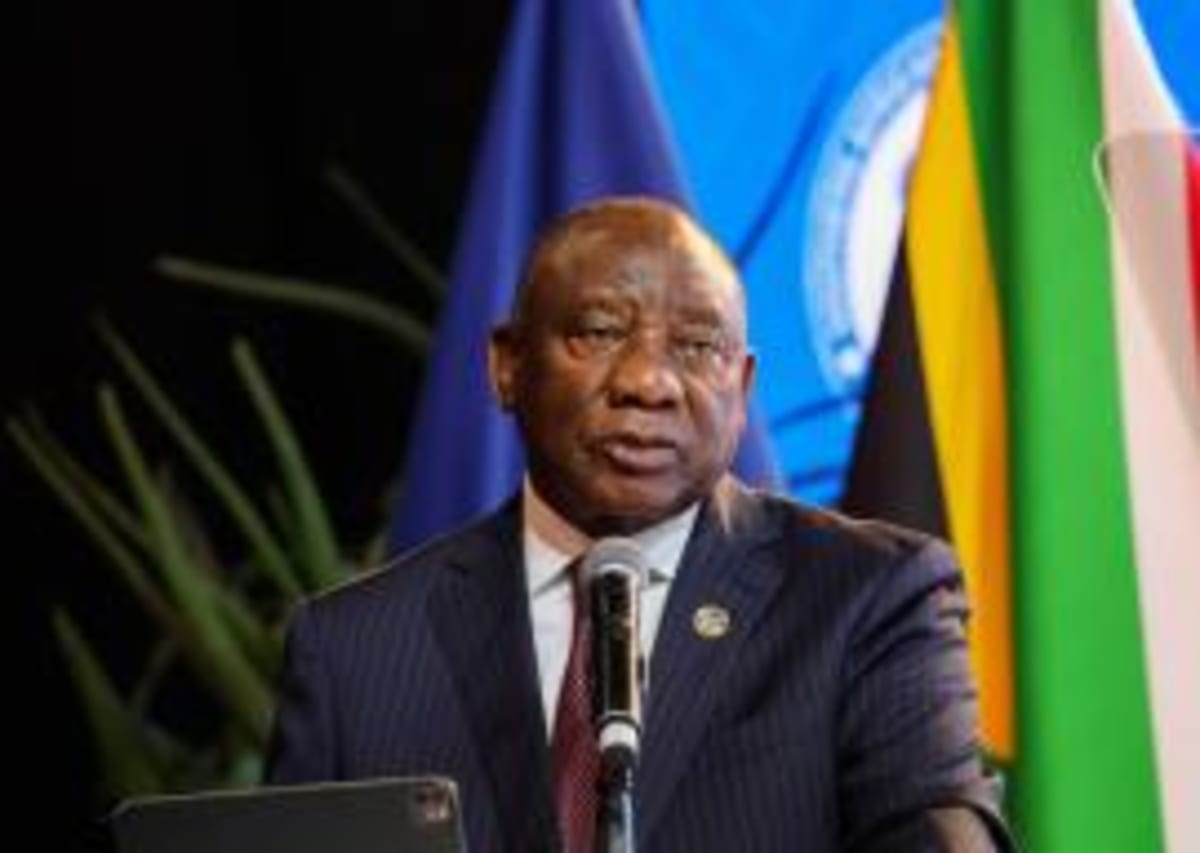
The 46th SADC Summit brought together heads of state from 16 nations to accelerate economic integration across the region. President Cyril Ramaphosa welcomed his counterparts not as visitors but as partners in building a connected Southern Africa where borders become bridges instead of barriers.
The gathering marked 34 years since the Southern African Development Community was founded in Windhoek, Namibia. Since then, member states have created a free trade area, connected their power grids through the Southern African Power Pool, and established real-time payment systems across borders.
But Ramaphosa acknowledged the pace hasn't matched people's expectations. "The people of our region are asking us to deliver the dividend of economic liberation," he told fellow leaders, calling for decent jobs, reliable electricity, affordable food, and opportunities for young people.
The summit opened with acclaimed South African poet Lebo Mashile performing a moving tribute to regional unity. Cultural presentations celebrating Southern Africa's rich heritage reminded attendees that beyond economics and politics, these nations share history, culture, and collective dreams.
This year's focus centers on industrialization through three key areas: infrastructure development, agricultural transformation, and maximizing value from the region's critical minerals. Leaders want to ensure resources mined in Southern Africa create factories, jobs, and industries within the region rather than just export revenue.
Ramaphosa drew on the imagery of rivers joining together. "A tributary does not lose its identity when it joins a great river. It gains reach, depth and power," he explained, emphasizing that integration strengthens rather than diminishes each nation's sovereignty.
The summit also addressed immediate challenges, including expressing solidarity with the Democratic Republic of Congo amid an Ebola outbreak and committing to stronger regional health preparedness.
The Ripple Effect
The decisions made in Durban could reshape daily life for hundreds of millions of people. Connected power grids mean more reliable electricity for businesses and homes. Integrated markets mean lower costs for goods and easier trade for entrepreneurs. Shared infrastructure projects mean construction jobs today and economic corridors tomorrow.
The SADC region possesses abundant natural resources, from minerals essential for green technology to vast agricultural potential. By processing these resources locally instead of shipping them elsewhere, member states can create manufacturing jobs and capture more value from their own wealth.
Young people stand to benefit most from deeper integration. A truly connected Southern Africa would allow them to study, work, and build businesses across 16 countries instead of being limited by national borders.
Ramaphosa urged leaders to ensure this summit would be remembered not for declarations but for implementation, turning communiqués into construction sites, factories, power lines, and real opportunities.
Based on reporting by Google News - Unity Celebration
This story was written by BrightWire based on verified news reports.
Spread the positivity!
Share this good news with someone who needs it