Southern Africa to Remove Fences, Restore Wildlife Routes
Botswana is considering removing disease-control fences that have killed hundreds of thousands of migrating animals since the 1950s. A new study shows the barriers don't actually protect cattle and removing them could boost both wildlife tourism and farming income.
Southern Africa may soon tear down fences that have blocked wildlife migrations for decades, after scientists found the barriers meant to protect cattle from disease don't actually work.
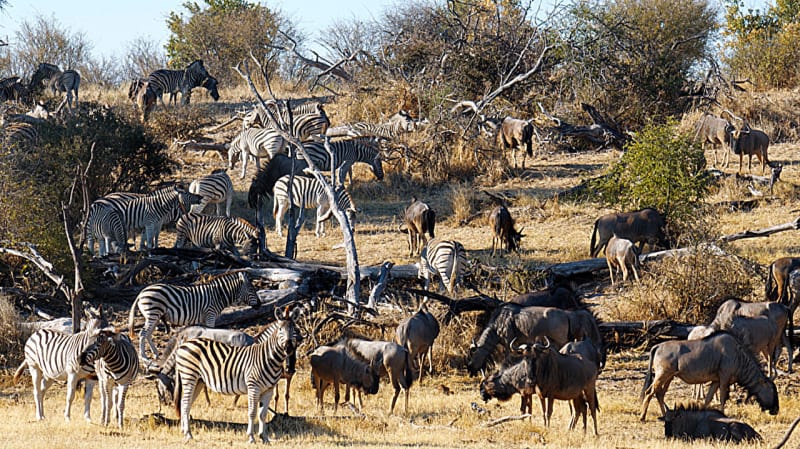
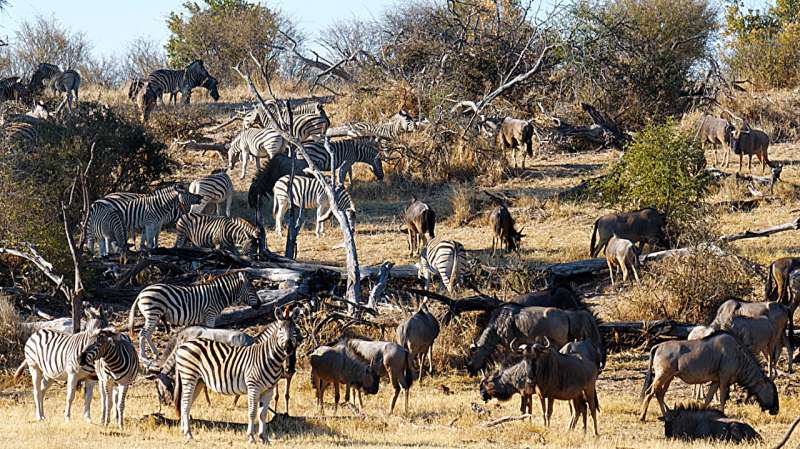
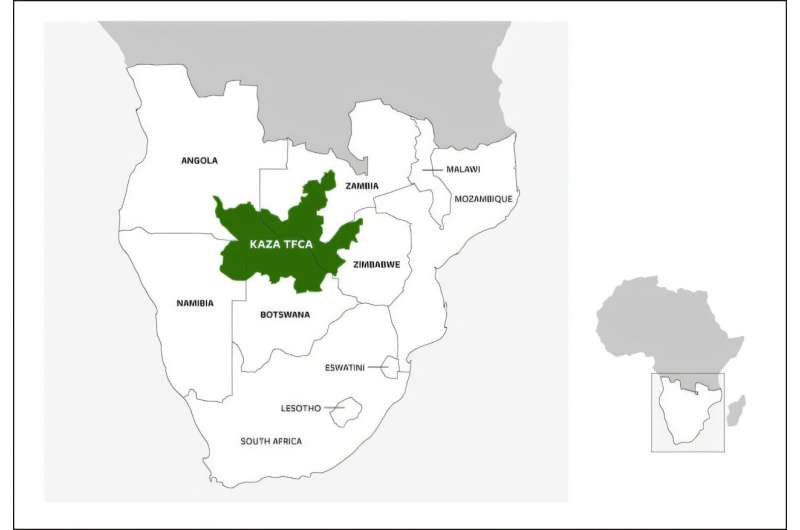
Since the 1950s, hundreds of thousands of zebras, wildebeests and other animals have died trying to cross veterinary fences in the Kavango Zambezi Transfrontier Conservation Area, a protected region spanning five countries. The fences were built to stop wild buffalo from spreading foot and mouth disease to cattle, but they've created a deadly obstacle course for migrating herds.
Now researchers from Cornell University have found something surprising. The fences aren't preventing disease because livestock densities are too low in most areas and the disease already exists in cattle populations. Many sections protect cattle on just one side, making them essentially useless for disease control.
The study focused on three specific fence sections in KAZA, the world's largest land conservation area at 520,000 square kilometers. Researchers compared disease risks with fences intact, with sections removed, and with removal plus better cattle management like herding and vaccination.
The results were clear. Removing the fences wouldn't increase disease risk at all. The overall threat from foot and mouth disease, bovine pleuropneumonia and other livestock illnesses remained very low across all scenarios.
Botswana's government has agreed to explore removing some of the most damaging fence sections. In exchange, farming communities in northern Botswana are implementing better herding practices and vaccination programs to keep their cattle healthy without barriers.
The Ripple Effect
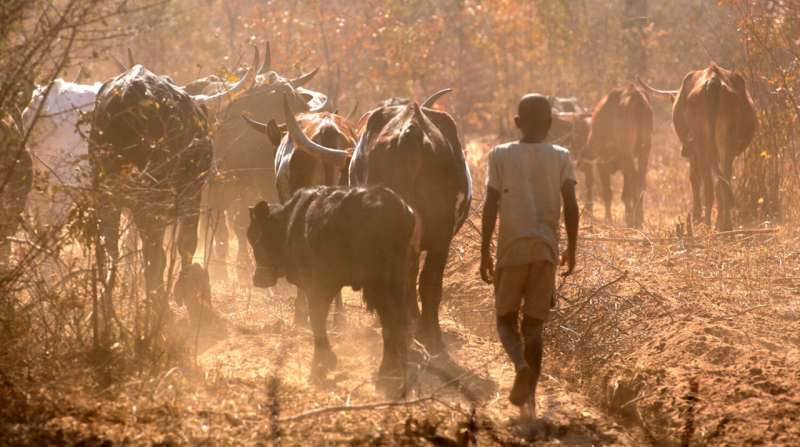
The plan creates wins for everyone involved. Wildlife gets back historic migration routes critical for survival. Cattle ranchers gain access to premium markets for "wildlife-friendly beef" that already commands higher prices. Poor farming communities can tap into income from the region's growing wildlife tourism industry while still raising healthy livestock.
The research team is working directly with local and national officials to make these changes happen. They're helping communities improve animal care, vaccination rates and market access so ranchers feel confident their herds will stay disease-free without fences.
It's a simple solution that had been hiding in plain sight. Sometimes protecting nature and supporting rural livelihoods aren't competing goals but the same goal waiting to be unlocked.
More Images

Based on reporting by Phys.org
This story was written by BrightWire based on verified news reports.
Spread the positivity!
Share this good news with someone who needs it