Soviet Probe Photographed Moon's Hidden Side in 1959
A spacecraft the size of a small water heater solved a mystery humans pondered for millennia: what does the far side of the Moon actually look like? Soviet engineers built a flying darkroom that developed film in space and beamed the first images home across 240,000 miles.
On October 7, 1959, the Soviet Luna 3 probe swung around the Moon's far side and photographed a place no human had ever seen. The blurry, historic images it sent back answered a question people had asked since the first time they looked up at the night sky.
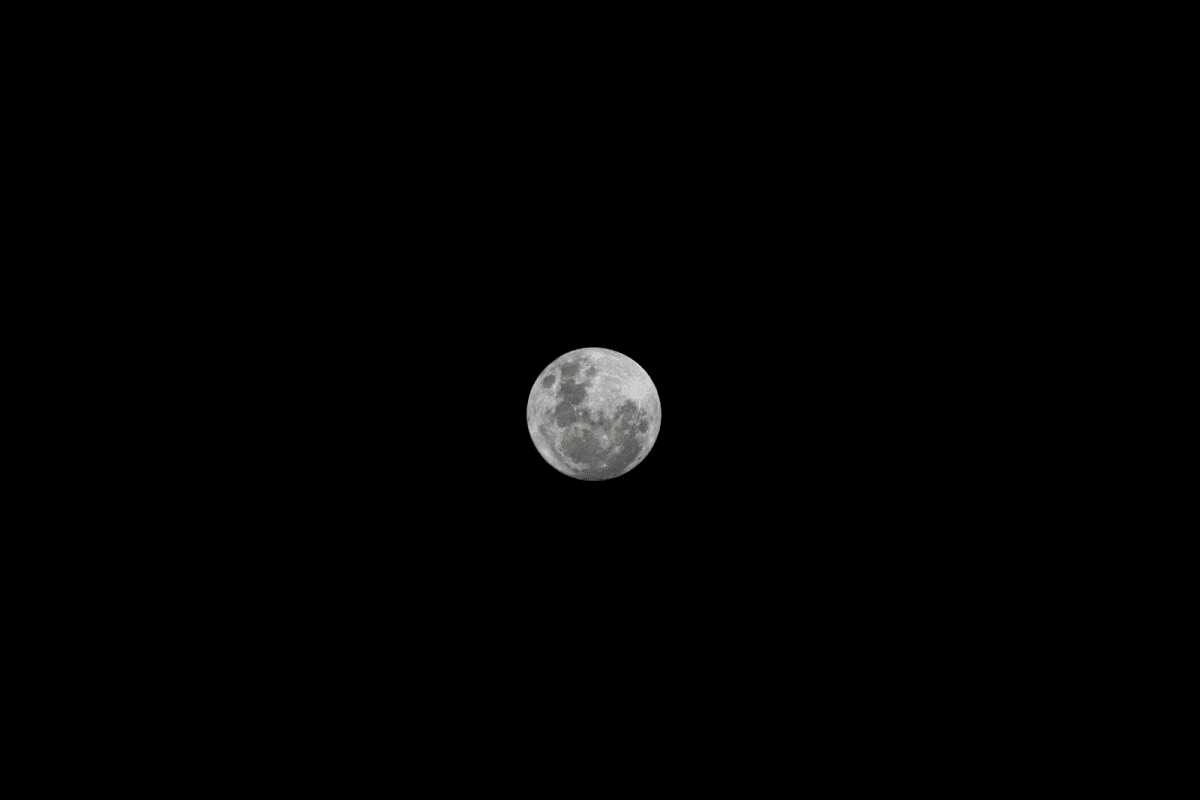
The Moon is tidally locked to Earth, meaning the same face always points toward us. Until Luna 3, the hidden hemisphere remained a complete mystery, a blank spot on every map.
The spacecraft weighed just 278 kilograms, about as much as a large refrigerator. Inside that cramped space, Soviet engineers packed something extraordinary: a camera, a roll of specially treated film, a complete chemical darkroom, and a scanner to transmit the results.
The mission plan sounds almost impossible even today. Luna 3 would take 29 photographs over 40 minutes while cruising past the Moon. Then, as it coasted back toward Earth, it would develop the film inside the sealed spacecraft using an automated chemical processor.
No technician could fix a jammed film transport. No engineer could repair a failed chemical step. Everything had to work perfectly on the first try, hundreds of thousands of miles from home.
It worked. The onboard darkroom processed the film, fixed it, and dried it in the vacuum of space. Then came the clever part: a scanner read the developed negatives line by line, turning varying brightness into radio signals that could travel across space.
As Luna 3 fell back toward Earth, Soviet ground stations picked up the signals and reconstructed them into images. Seventeen of the 29 photographs came through clearly enough to reveal the truth.
The far side looked completely different from the familiar face we see every night. Instead of dark volcanic plains, it showed a bright, heavily cratered surface that told a different geological story.
Why This Inspires
Strip away the Cold War competition and Luna 3 remains a masterclass in creative problem solving. Soviet engineers faced an impossible challenge: how do you transmit photographs when digital cameras don't exist yet?
Their answer was to build a complete photographic lab inside a spacecraft, trust it to work without human hands, and invent a way to turn film into radio waves. Interestingly, some reports suggest they used American reconnaissance film recovered from spy balloons, turning Cold War espionage into lunar exploration.
The images were grainy and imperfect. But they were real. Features the Soviet team identified and named, like the Sea of Moscow and Tsiolkovsky crater, are still on lunar maps today.
Luna 3 proved that with enough ingenuity, humans could solve problems we'd wondered about for thousands of years. Sometimes the impossible just needs the right combination of chemistry, determination, and a flying darkroom hurtling through space.
More Images


Based on reporting by Google News - Science
This story was written by BrightWire based on verified news reports.
Spread the positivity!
Share this good news with someone who needs it