Scientists Debate Exciting K2-18 b Planet Discovery
Astronomers found tantalizing hints of life-linked gases on a distant ocean world, sparking the most exciting scientific debate of 2025. While the signals remain uncertain, the discovery shows how close we're getting to answering humanity's biggest question.
The James Webb Space Telescope spotted something remarkable 124 light-years away that has astronomers buzzing with possibility.
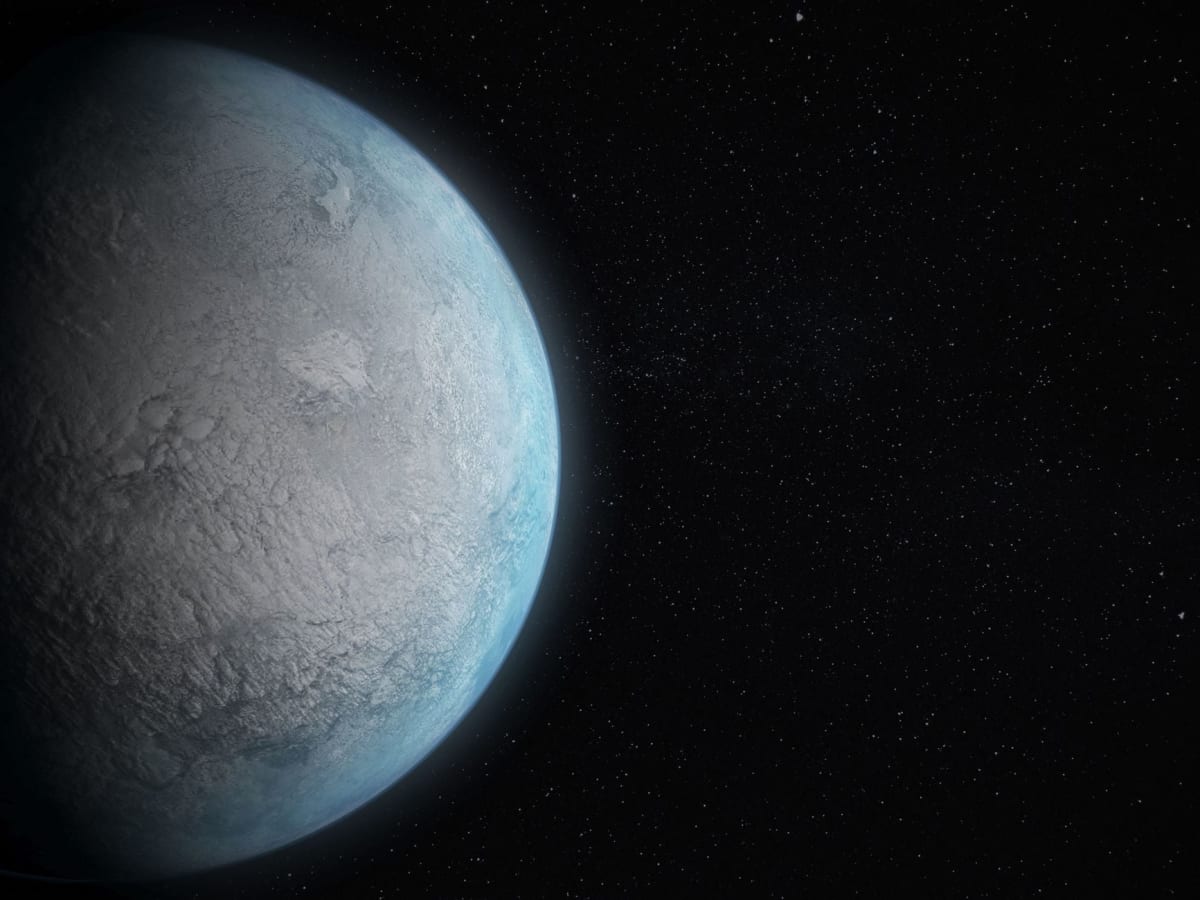
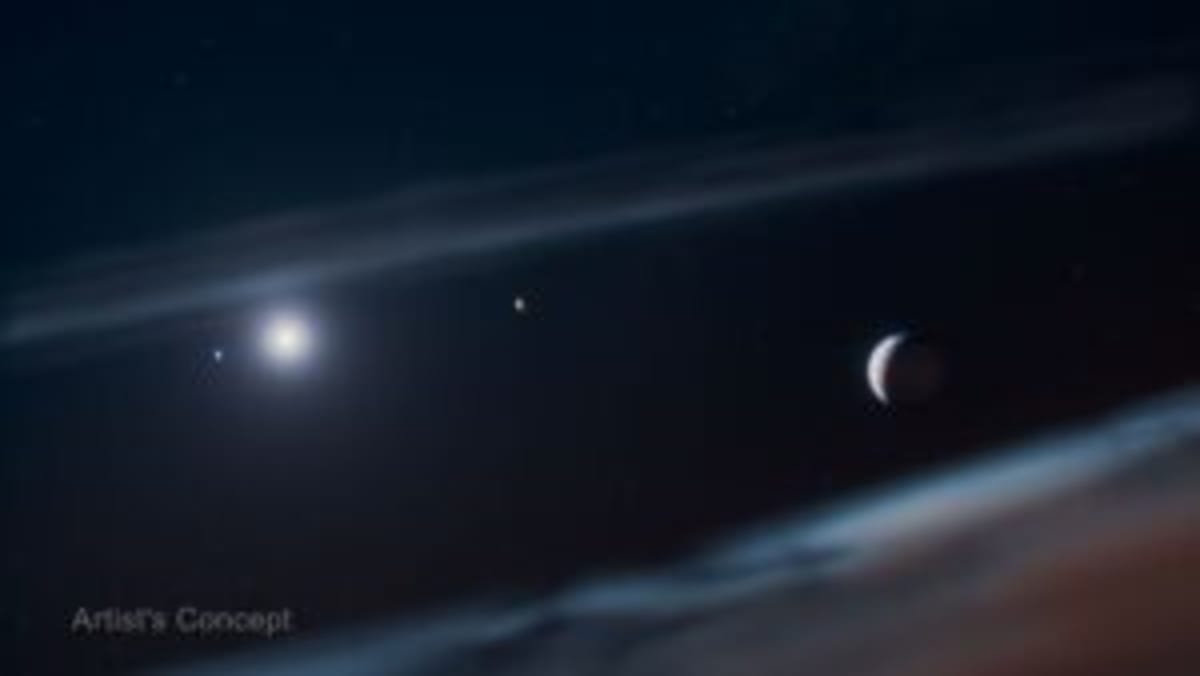
Scientists pointed the powerful telescope at K2-18 b, a planet that might harbor a deep ocean beneath a hydrogen atmosphere. They detected faint patterns that could match dimethyl sulphide, a gas that on Earth comes almost entirely from ocean microbes.
The discovery launched the most energetic scientific debate of 2025. Researchers aren't claiming they found alien life, but they're excited about getting close enough to have the conversation seriously.
K2-18 b sits in the habitable zone where liquid water could exist. The planet is much larger than Earth, about 2.6 times our radius and 8.6 times our mass. Webb measured tiny changes in starlight as the planet passed in front of its red dwarf star.
The initial team led by Nikku Madhusudhan reported methane and carbon dioxide in 2023, then followed up in April 2025 with mid-infrared observations. Their analysis suggested DMS or similar sulfur compounds might exist at significant levels.
Why This Inspires
What happened next shows science at its best. Other teams dove into the same data with fresh approaches and different methods.
Stephen Schmidt's group confirmed the methane but found the other signals less convincing. Kevin Stevenson's team discovered that changing how they analyzed the data produced different results. Luis Welbanks showed that many molecular combinations could explain what Webb saw.
Rather than conflict, this represents progress. Scientists are developing better tools to read alien atmospheres and learning to distinguish real signals from instrumental noise. They're also discovering that gases once thought unique to life, like DMS, can form without biology in some environments.
The debate isn't dampening enthusiasm. It's sharpening the questions researchers need to answer and showing exactly what better observations could reveal.
K2-18 b remains one of the most intriguing worlds beyond our solar system. Whether or not it has the gases initially suggested, the planet demonstrates how far telescope technology has advanced. We can now study the atmospheric composition of worlds orbiting other stars.
More observations are already planned, and each measurement teaches scientists how to read these faint cosmic signals more accurately.
We're living in the era when humanity might finally answer whether life exists beyond Earth, and every debate brings that answer closer.
More Images
Based on reporting by Google: James Webb telescope
This story was written by BrightWire based on verified news reports.
Spread the positivity!
Share this good news with someone who needs it