Space Mini-Labs Automate Research, Speed Cancer Treatments
Tiny automated laboratories aboard the International Space Station are running dozens of experiments at once, growing crystals in zero gravity that could revolutionize cancer treatments here on Earth. These mini-labs do the science work while astronauts focus on other missions.
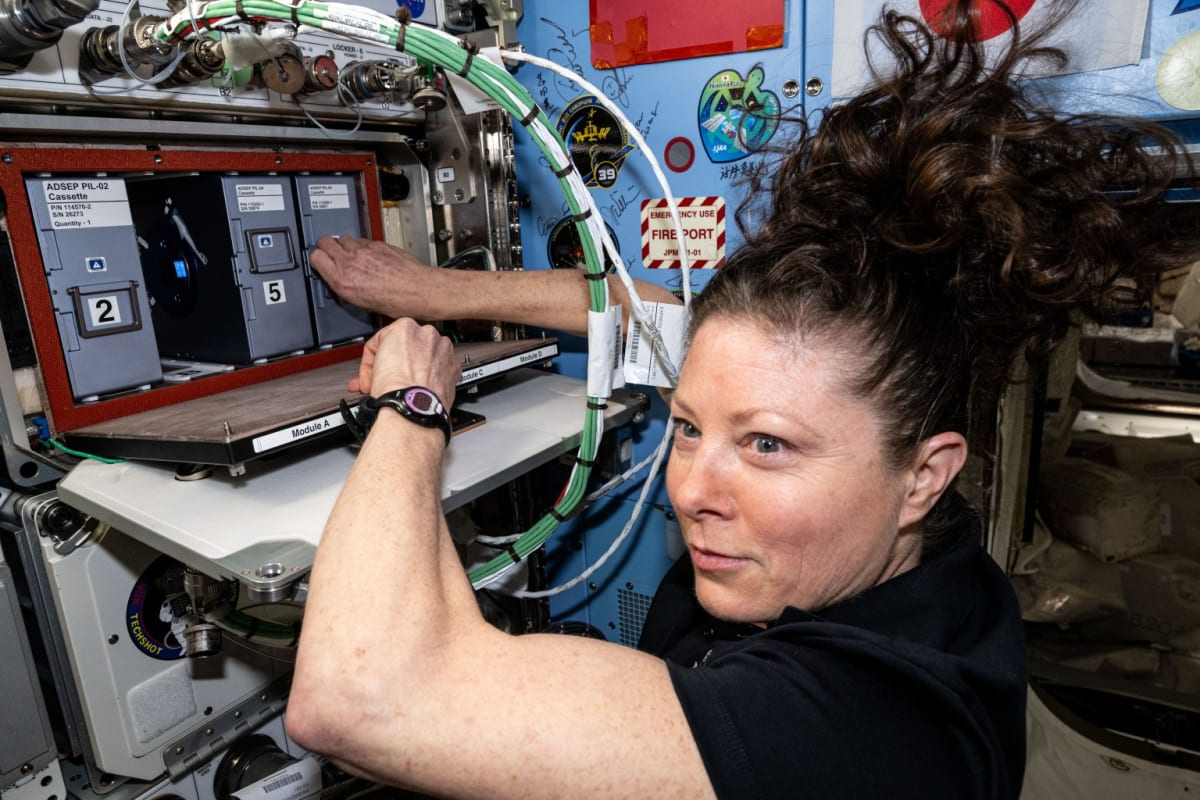
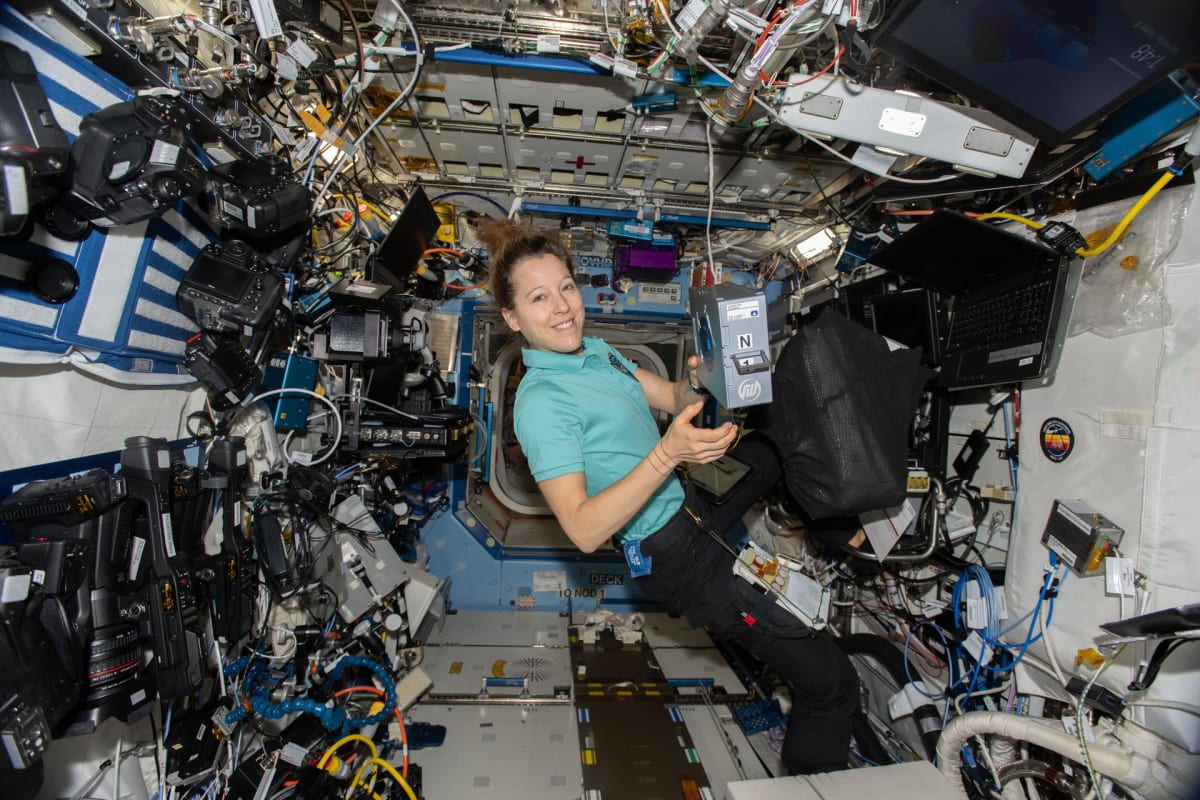
Scientists just got a game-changing upgrade in how they conduct research 250 miles above Earth. Redwire's Advanced Space Experiment Processors, called ADSEPs, are automated mini-laboratories the size of a microwave that can run multiple experiments simultaneously without constant astronaut attention.
Each ADSEP contains up to four "cassettes" that act like independent science labs. While astronauts sleep or handle other work, these devices grow crystals, study microbes, and test materials in the unique zero-gravity environment of space.
The results are already making waves back on Earth. Since 2017, ADSEPs have supported two dozen investigations, with many focused on growing seed crystals that could transform how we make medicines.
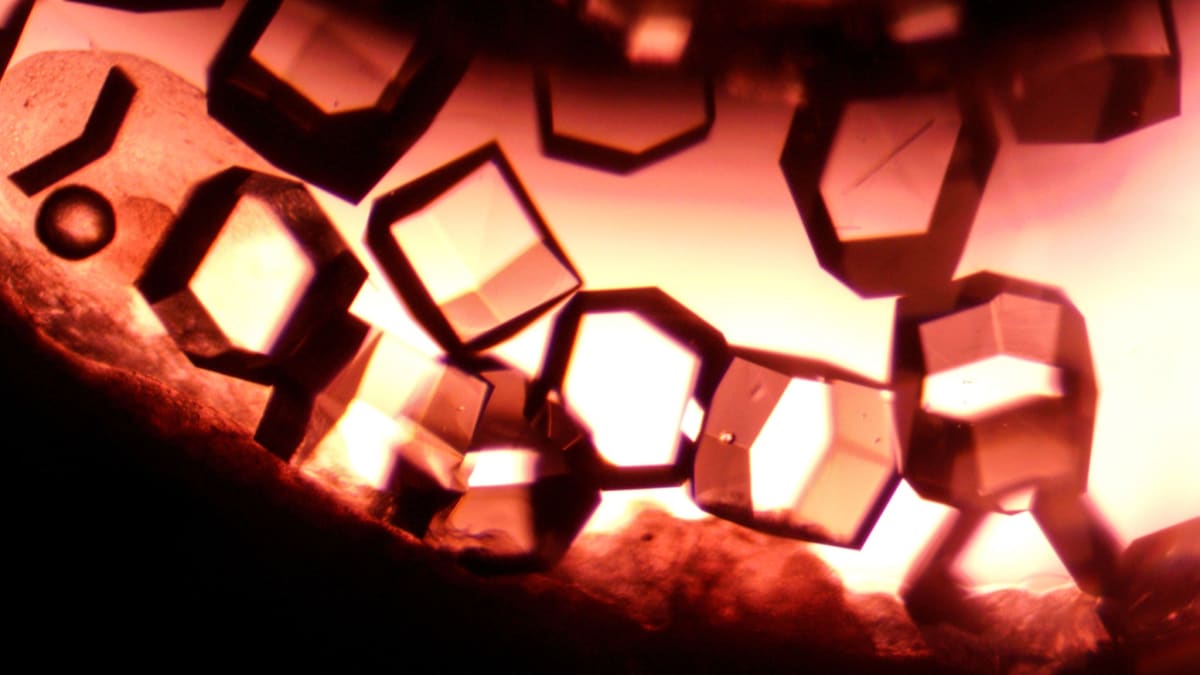
Space-grown crystals are bigger and higher quality than anything we can create on Earth. The microgravity environment lets molecules arrange themselves perfectly without gravity pulling them into imperfect shapes.
Two recent experiments highlight the potential. ADSEP-PIL-10, partnering with Aspera Biomedicines, is crystallizing molecules that both block and promote cancer growth. The goal is creating oral cancer medications that patients can take at home instead of receiving through infusions.
Another study, ADSEP-PIL-15, crystallized existing cancer drugs to make them more stable and effective. Better crystals mean better medicine that lasts longer and works more reliably.
The latest model even tested larger cassettes for commercial production. What starts as space research could eventually scale up to manufacturing facilities producing medications for millions of patients.
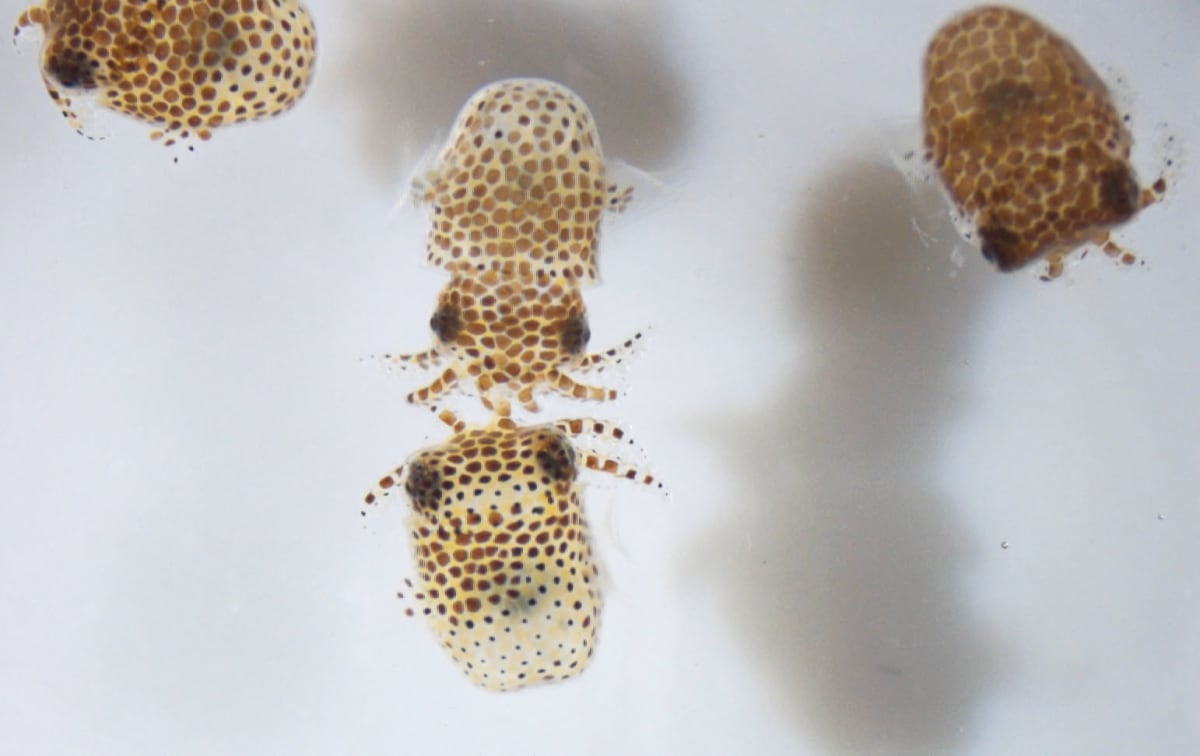
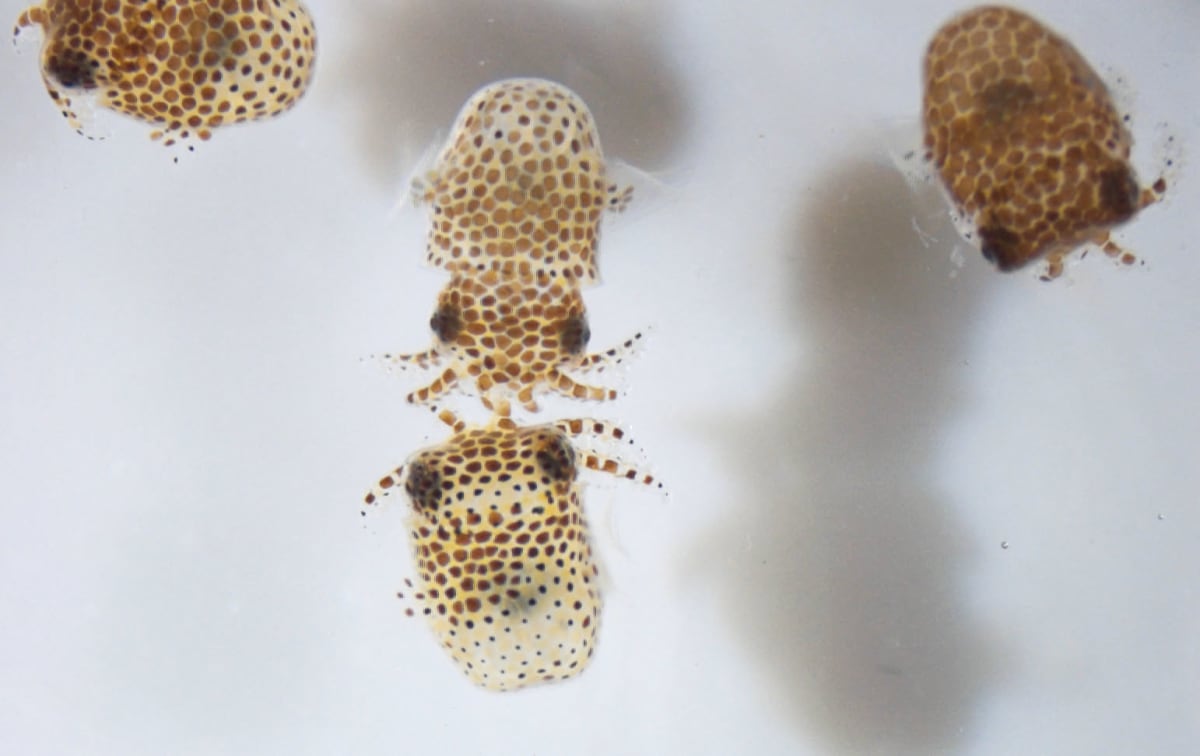
But ADSEPs aren't just crystal factories. In 2021, researchers used one to study baby bobtail squid and their beneficial bacteria in space. The UMAMI investigation discovered that these helpful microbes actually protect animals from spaceflight stress and speed up development of neurons and tissues.
The Ripple Effect
The squid findings matter for future astronauts on long missions to Mars or beyond. Understanding how beneficial bacteria help us cope with space stress could shape how we support crew health on multi-year voyages.
Back on Earth, the same research helps scientists understand symbiotic relationships in any closed ecosystem. The insights apply to submarine crews, Antarctic researchers, or anyone living in isolated environments.
The automation is the real breakthrough. Previous space experiments required astronauts to spend precious hours mixing samples, adjusting temperatures, and monitoring progress. Now scientists on Earth can program an ADSEP, send it up on a cargo flight, and let it work independently for months.
More automation means more science. The station can host hundreds of experiments at once, each advancing our understanding of medicine, materials, or biology in ways impossible under Earth's gravity.
New ADSEP experiments are already queued up and ready to launch. Each one brings us closer to breakthrough treatments, stronger materials, or deeper understanding of how life adapts to extreme environments.
The tiny automated labs orbiting overhead are quietly revolutionizing both space exploration and earthbound medicine, one perfect crystal at a time.
More Images
Based on reporting by NASA
This story was written by BrightWire based on verified news reports.
Spread the positivity!
Share this good news with someone who needs it