Space Startup Lands Capsule in Australia Using New Design
Varda Space Industries just brought a spacecraft home to Australia using technology they built entirely in house. The successful mission marks a major leap toward making space manufacturing affordable and routine.
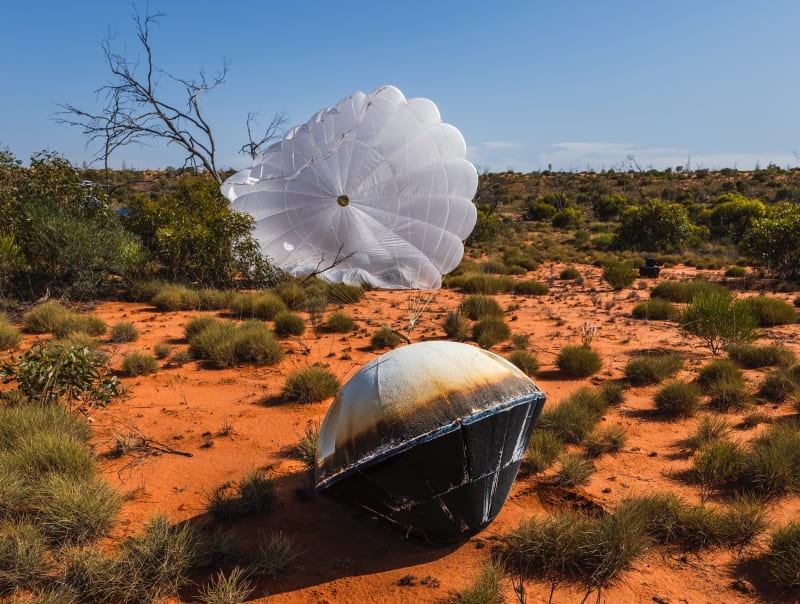
A space capsule carrying U.S. Navy research streaked through Earth's atmosphere and touched down safely in the Australian outback on January 29, proving that a California startup can now design, build, and recover spacecraft without relying on outside help.
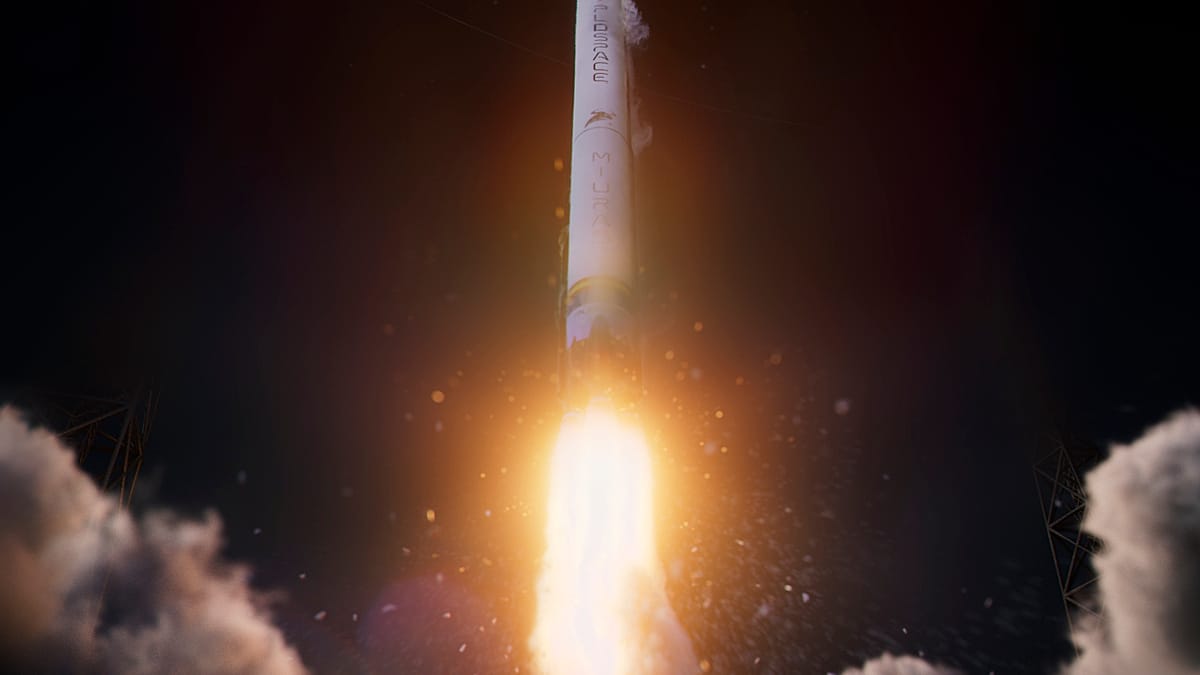
Varda Space Industries completed its W-5 mission at the Koonibba Test Range in South Australia, just two months after launching the craft on a SpaceX rocket. The capsule carried equipment collecting data about hypersonic flight for the Navy's research program.
What makes this landing special is what Varda built themselves. For their first three missions, the company bought spacecraft buses from Rocket Lab. But W-5 flew on a bus Varda designed and manufactured in their own facility.
"By owning the spacecraft, the capsule and the mission operations end to end, we can iterate faster, fly more often and reliably bring complex manufacturing processes back to Earth," said Nick Cialdella, Varda's chief technology officer. That vertical integration means the company controls every step from launch to landing.
Varda is racing to make space manufacturing practical. Their spacecraft can produce pharmaceuticals and materials in the unique conditions of microgravity, then bring those products safely back to Earth. Traditional capsules cost too much and take too long to build for this to work as a business.
The company chose Australia's remote Koonibba range for good reason. The site offers vast open land with minimal air traffic and no ocean to complicate recoveries. Varda has already signed up for 20 more landings there through 2028.
The Ripple Effect
Australia is quietly becoming the world's hub for space reentries. Southern Launch, which operates Koonibba, has agreements with multiple companies planning to bring spacecraft home through 2027 and beyond. Each successful landing builds confidence in the technology and the location.
"Every spacecraft return strengthens Australia's reputation as a trusted global destination for safe, reliable orbital reentries," said Lloyd Damp, Southern Launch's CEO. His company is helping create what he calls "a thriving orbital economy."
This success story comes with one hiccup. Varda's W-4 spacecraft, which launched earlier to manufacture pharmaceuticals in orbit, hasn't come home yet due to propellant system concerns. But the company says customer missions like W-5 take priority over their own demonstration flights.
The future looks bright for routine trips to space and back.
More Images


Based on reporting by SpaceNews
This story was written by BrightWire based on verified news reports.
Spread the positivity!
Share this good news with someone who needs it