Space Startups Pull Off 'Top Gun' Mission for Space Force
Two private space companies just completed one of the most complex satellite missions in modern history, proving that the future of space reconnaissance belongs to commercial innovators. Their success opens the door to faster, smarter ways to keep America safe in orbit.
Two spacecraft just played a high-stakes game of cat and mouse in orbit, and the results could change how America monitors potential threats in space.
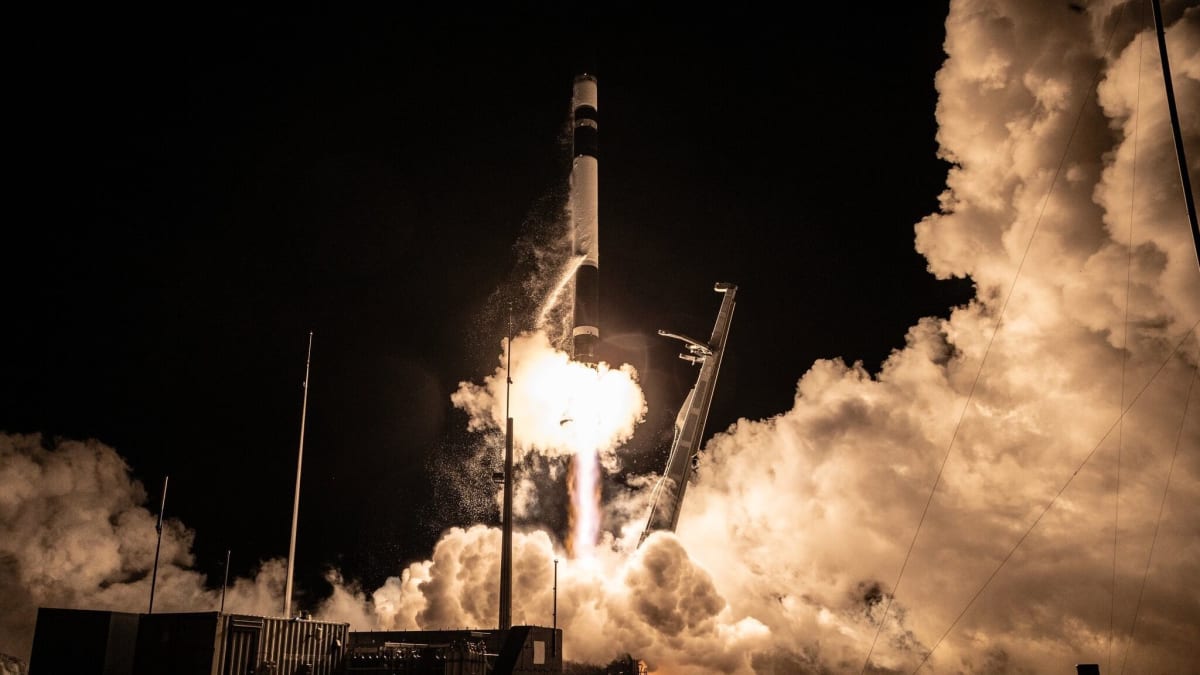
Last week, startups True Anomaly and Rocket Lab pulled off something extraordinary for the U.S. Space Force. Rocket Lab launched a satellite called Puma into orbit with just 16 hours and 42 minutes notice, while True Anomaly's Jackal spacecraft waited in space to intercept it.
The challenge? Jackal had no idea where Puma would arrive. Using onboard sensors, it spotted its target from 2,000 kilometers away, then flew close enough to capture detailed images while both vehicles moved at 17,500 mph.
True Anomaly CEO Even Rogers called it "probably the most complex rendezvous and proximity operation between two spacecraft in modern history" outside of crewed missions. The mission, dubbed Victus Haze, proved that private companies can handle the urgent need to inspect unknown satellites quickly after they reach orbit.
The timing matters because China and Russia regularly launch new space capabilities, and the Space Force needs to understand what those satellites can do. Traditional rocket launches take months to plan, creating dangerous gaps in America's ability to respond to potential threats.
Why This Inspires
This mission represents more than just technical achievement. It shows how innovation is moving from government labs into the hands of entrepreneurs who can move faster and think differently.
True Anomaly, founded in 2022 by former military space experts, raised over $1 billion to tackle exactly this challenge. Now they're competing for contracts in the Space Force's $6.2 billion Andromeda program, which looks to private companies for exactly this kind of quick-response reconnaissance.
The best part? This was just the beginning. In coming weeks, the two companies will attempt even harder maneuvers, including Puma trying to evade Jackal while performing its own inspections.
What once seemed like science fiction is now reality, thanks to teams who believed they could build something better. Their success proves that when smart people tackle hard problems with fresh approaches, they can protect our nation while pushing the boundaries of what's possible in space.
More Images

Based on reporting by TechCrunch
This story was written by BrightWire based on verified news reports.
Spread the positivity!
Share this good news with someone who needs it