Space Viruses Unlock New Weapon Against Superbugs
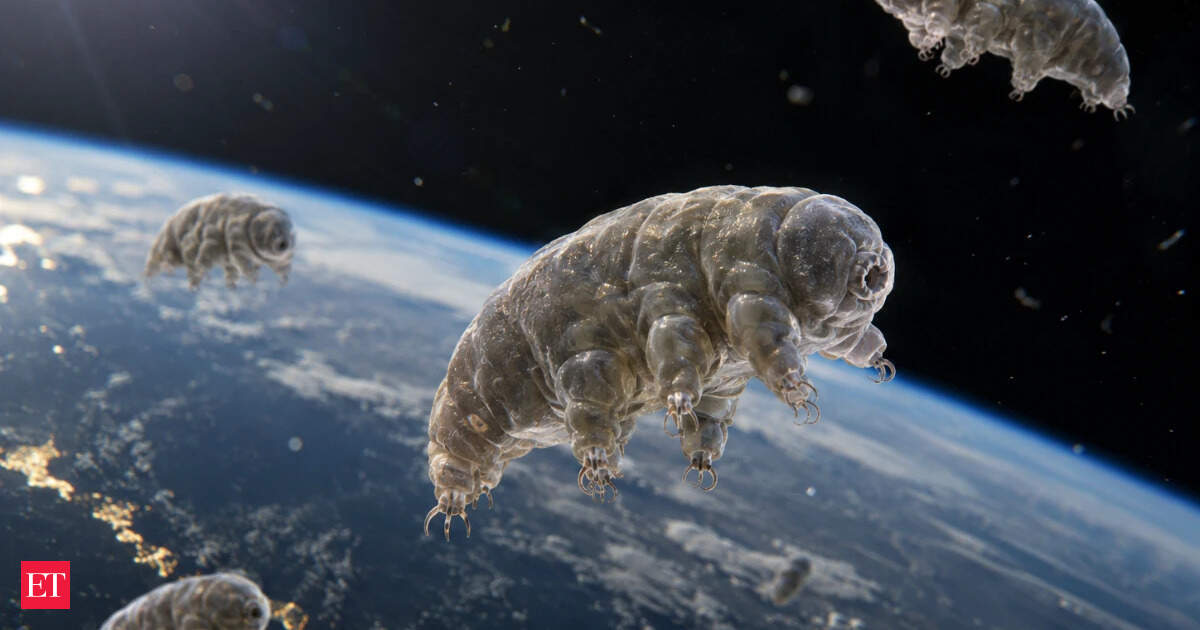
Scientists sent bacteria-fighting viruses to the International Space Station and discovered they evolved in ways that could defeat drug-resistant infections here on Earth. The breakthrough shows how space research might help solve one of medicine's biggest challenges.
When scientists sent tiny viruses to the International Space Station, they didn't expect them to come back with a superpower that could help fight deadly infections on Earth.
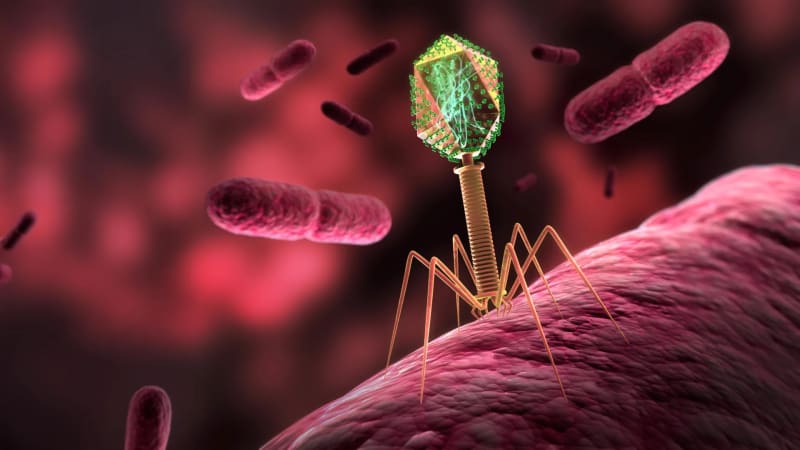
Researchers from the University of Wisconsin-Madison launched bacteria-infecting viruses called phages to the ISS to see how they'd behave in near-weightless conditions. The experiment involved infecting E. coli bacteria with a virus called T7, both in space and on Earth for comparison.
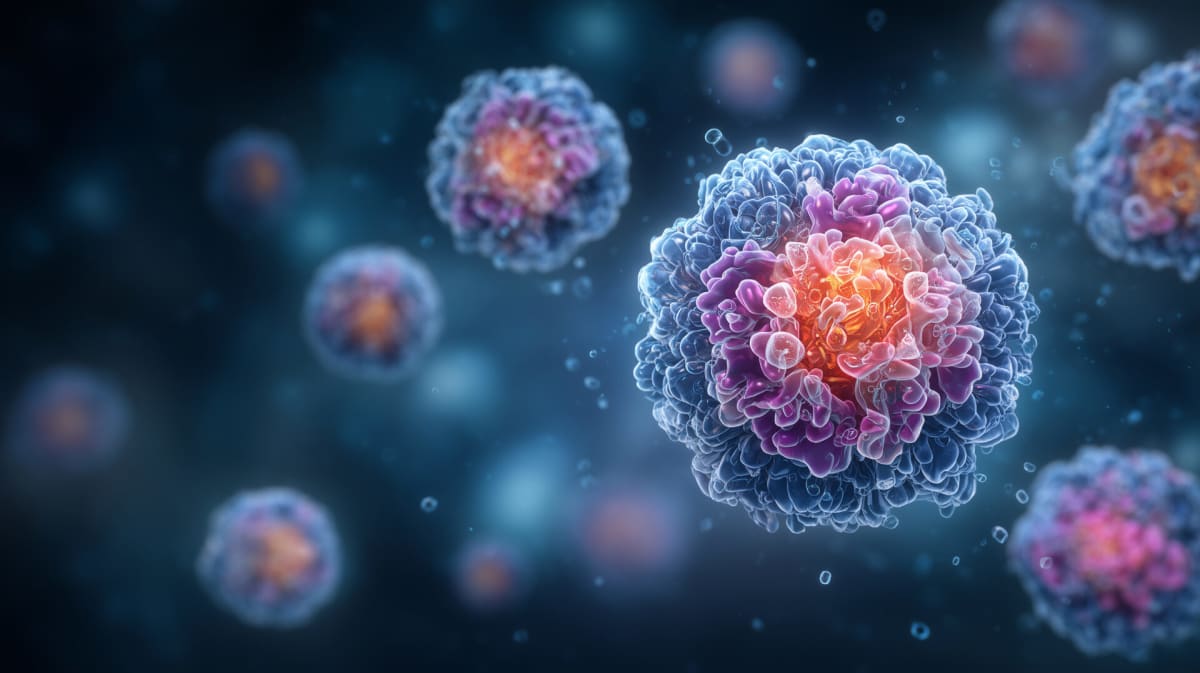
The space viruses still infected their bacterial targets, but something fascinating happened over time. Both the viruses and bacteria evolved differently than their Earth-bound counterparts, developing unique genetic changes to survive their cosmic battle.
The space-exposed viruses accumulated mutations that made them better at binding to bacterial cells. Meanwhile, the bacteria developed their own protective mutations to defend themselves in microgravity.
Here's where it gets exciting. When researchers brought those space-adapted viruses back to Earth and tested them against drug-resistant bacteria, they discovered something remarkable.
The mutations that developed in space gave the viruses enhanced abilities against E. coli strains that cause urinary tract infections in humans and normally resist treatment. These superbugs, which pose a growing threat as antibiotic resistance spreads, showed vulnerability to the space-evolved phages.
The Ripple Effect spreads far beyond this single experiment. Drug-resistant infections kill over 700,000 people worldwide each year, and experts warn that number could reach 10 million by 2050 without new solutions.
Phage therapy, using viruses to target specific bacteria, has shown promise as an alternative to antibiotics. But scientists have struggled to engineer phages that work effectively against resistant strains.
This space research opened an unexpected door. By studying how microgravity changes the evolutionary arms race between viruses and bacteria, researchers identified new biological insights they could never have discovered on Earth.
The team used those insights to engineer improved phages with superior activity against drug-resistant pathogens. What started as a curiosity about how life behaves in space turned into a potential weapon against one of humanity's most pressing health threats.
The findings also hint at broader possibilities. If space conditions can reveal hidden evolutionary pathways in viruses and bacteria, future ISS experiments might unlock solutions to other stubborn medical challenges.
The research demonstrates how space exploration delivers benefits that extend far beyond astronaut missions and planetary science. Sometimes the smallest experiments conducted 250 miles above Earth can help solve the biggest problems we face down here.
This breakthrough turns the final frontier into a laboratory for fighting infections that threaten millions of lives each year.
Based on reporting by Science Daily
This story was written by BrightWire based on verified news reports.
Spread the positivity!
Share this good news with someone who needs it