Spacecraft Capture August 2026 Total Solar Eclipse From Space
A fleet of satellites and astronauts aboard the International Space Station captured stunning views of the August 12, 2026 total solar eclipse from orbit. The rare celestial event was photographed from multiple perspectives, revealing the moon's shadow racing across Earth's surface.
When millions of people across Greenland, Iceland, and Spain watched the sky darken during the August 12, 2026 total solar eclipse, spacecraft orbiting above captured something equally magical: our planet draped in the moon's shadow.
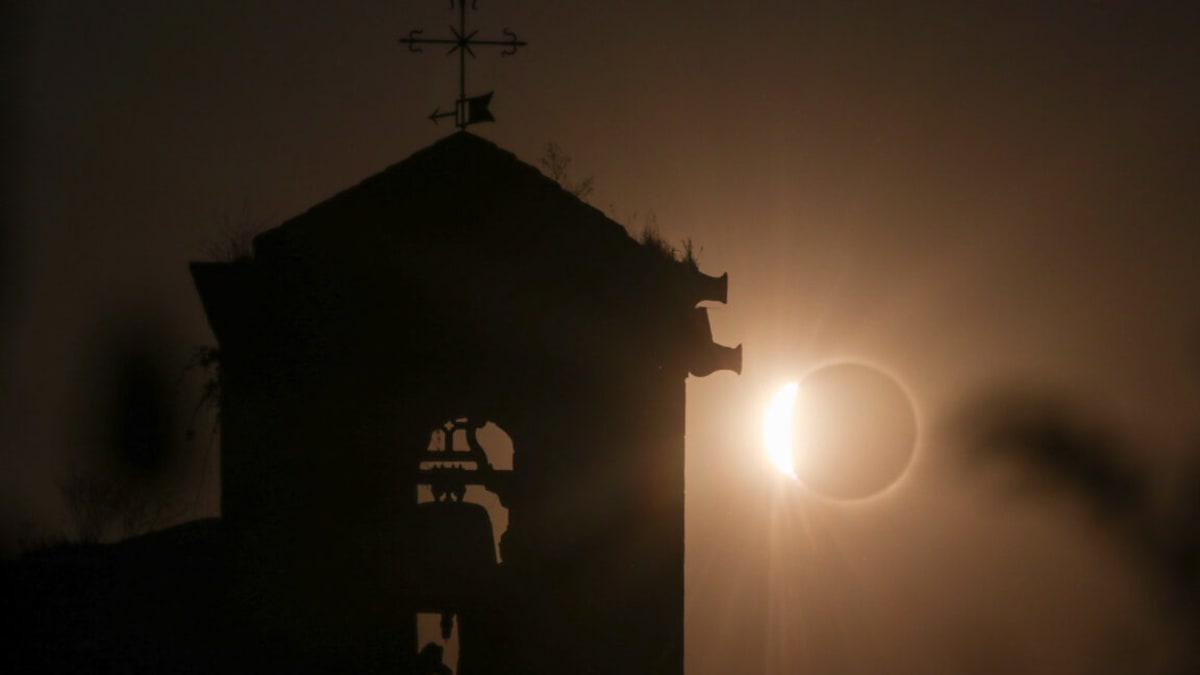
The eclipse happened when the moon passed directly between Earth and the sun during its monthly new moon phase. People in the path of totality watched the moon gradually cover the sun's light, revealing our star's delicate outer atmosphere against a darkened sky.
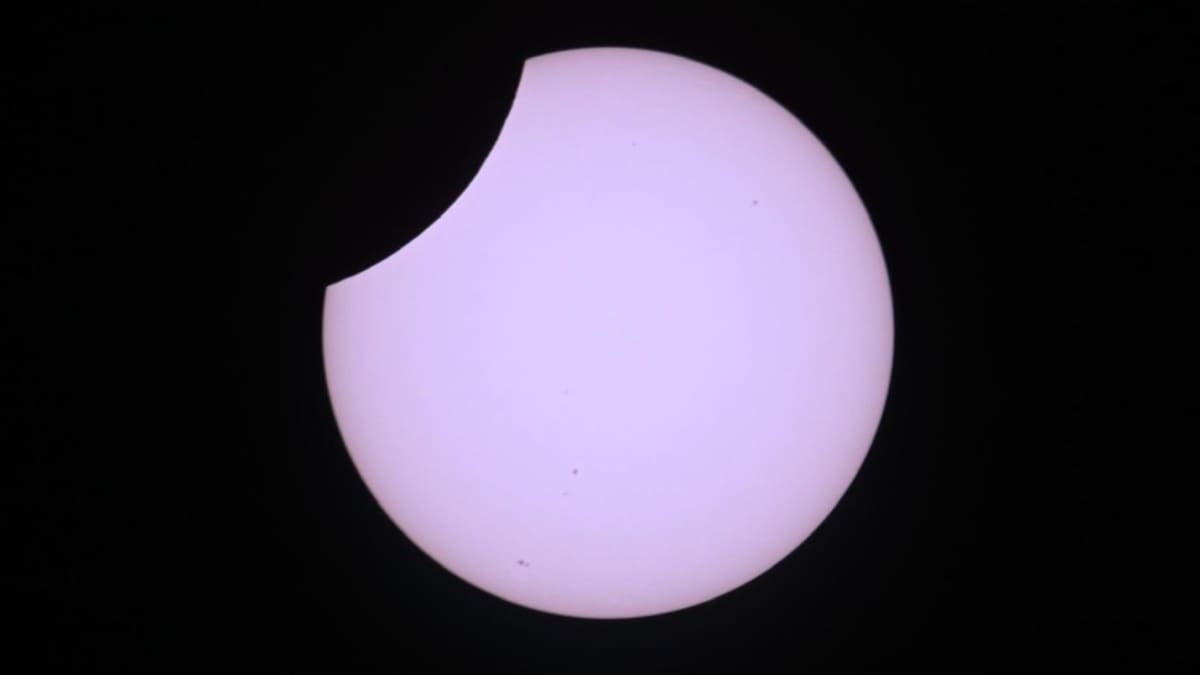
NASA astronaut Jessica Meir photographed the partially eclipsed sun from the International Space Station's Russian segment. The ISS saw only an 18% coverage of the sun due to its position in orbit at the time.
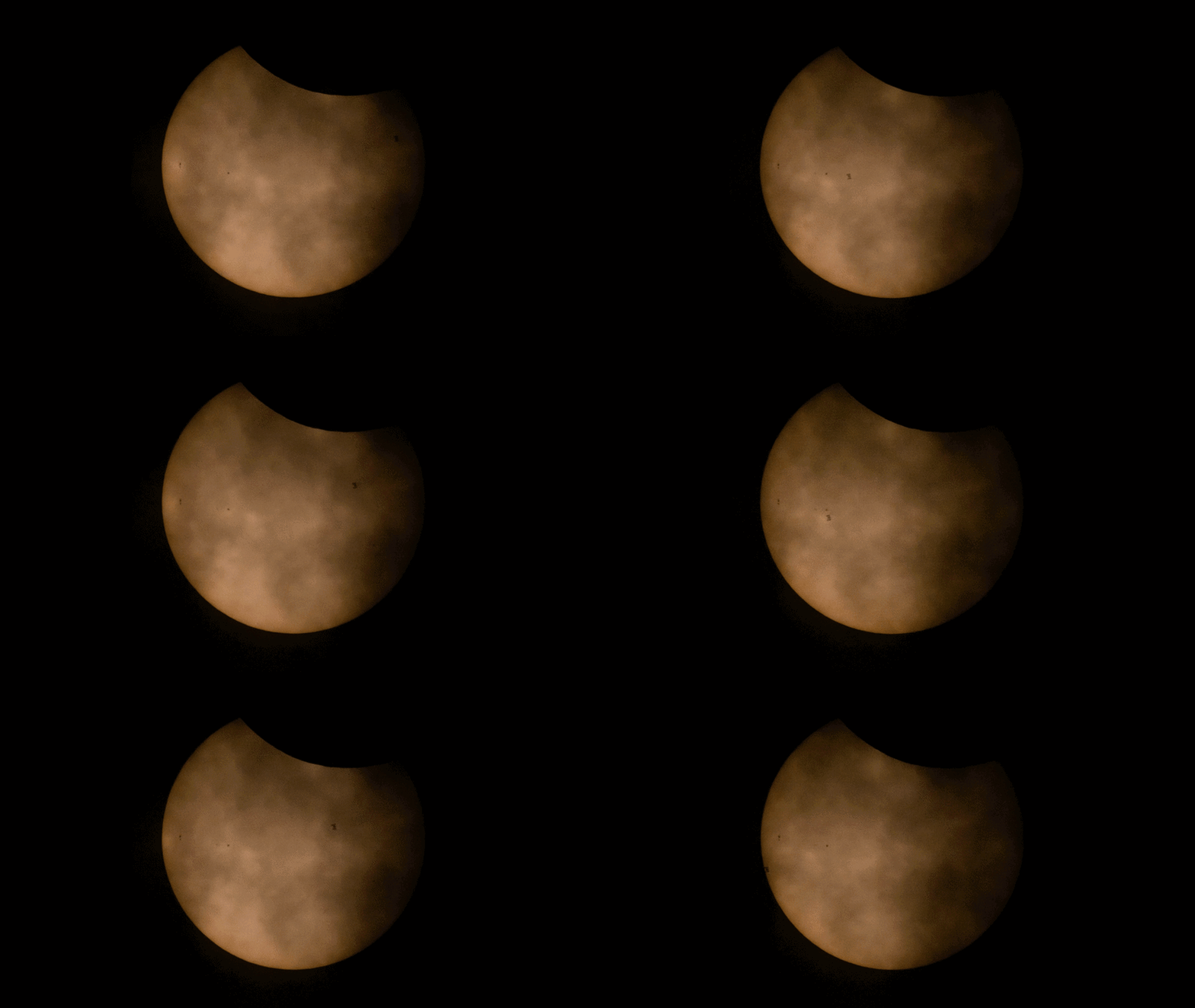
Around the same moment, photographer Joel Kowsky captured a remarkable shot from Hodgdon, Maine showing the space station's silhouette crossing the face of the eclipsed sun. The timing had to be perfect to catch both the eclipse and the ISS in the same frame.
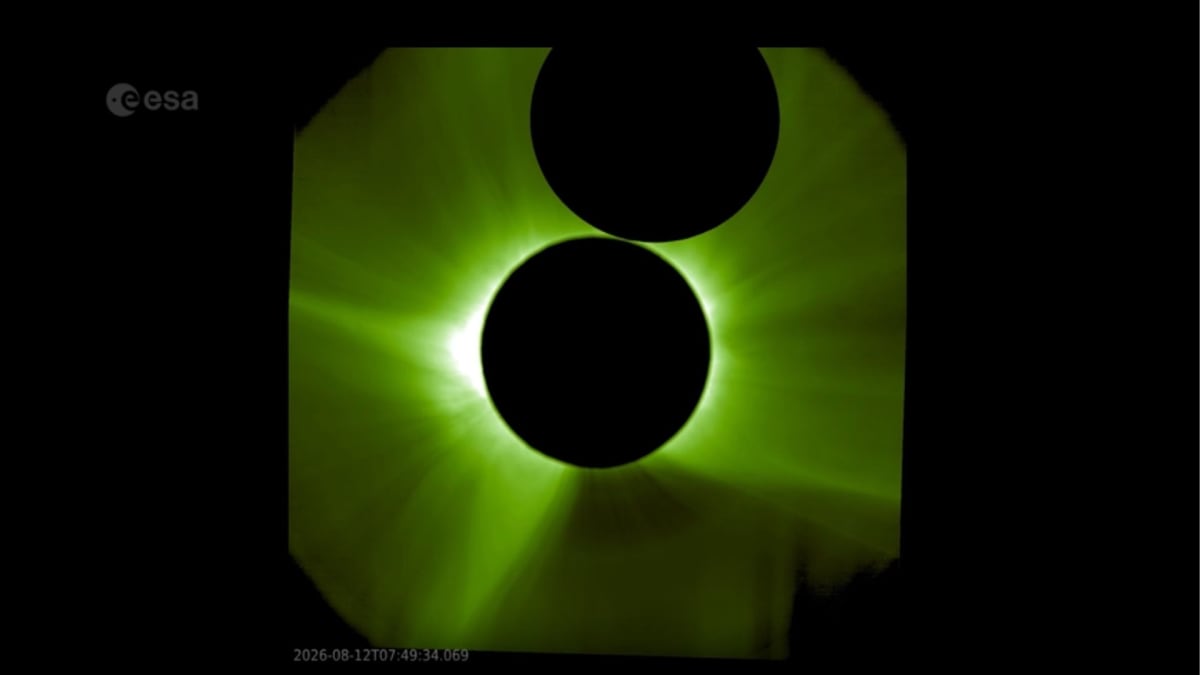
The European Space Agency's Proba-3 mission recorded something truly unique: a double eclipse. The mission's two spacecraft fly in formation, with one blocking the sun's disk using a coronagraph to help the other study the solar atmosphere.
For a brief moment on August 12, the moon joined this artificial eclipse, creating two simultaneous sun blockers. It's a view that won't be repeated anytime soon.
Why This Inspires
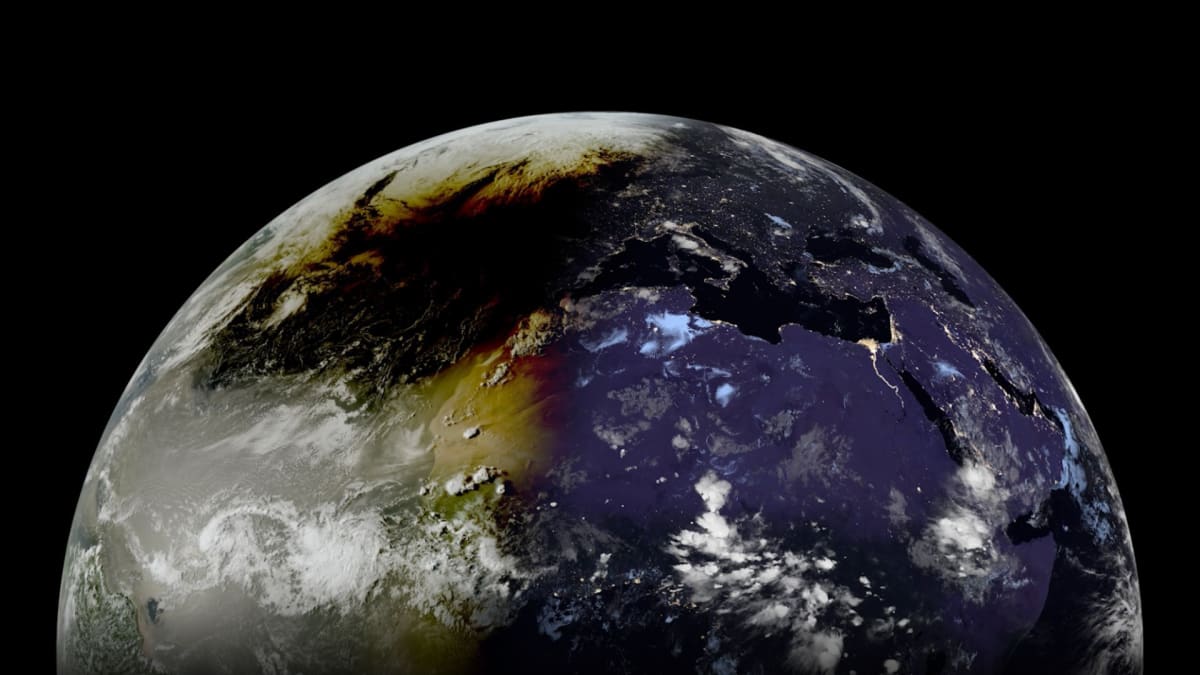
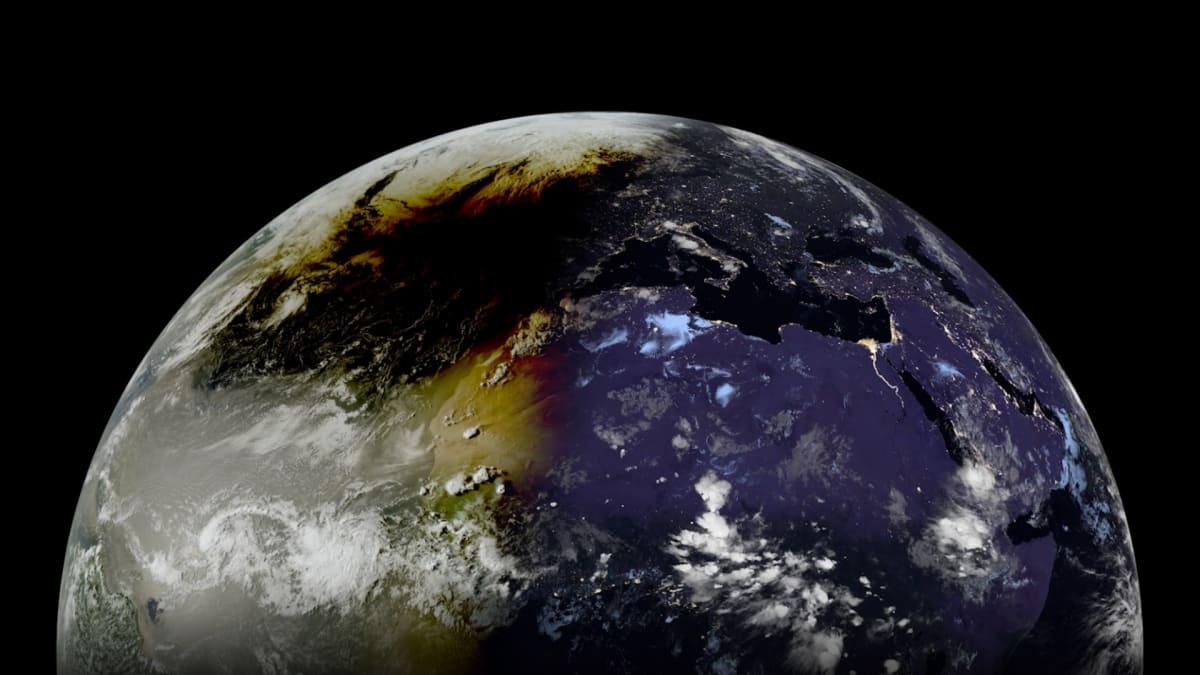
ESA's Meteosat satellite, sitting 22,370 miles above Earth, captured perhaps the most striking view of all. The footage shows the moon's shadow racing across Earth's surface before merging with the natural twilight line as evening fell over Europe.
NOAA's GOES-19 satellite also recorded the shadow's journey from its position in geostationary orbit. These space-based views reveal the eclipse's true scale in a way ground observers can never experience.
The images remind us that some of the most breathtaking moments happen when we look at familiar events from a completely new perspective.
More Images
Based on reporting by Space.com
This story was written by BrightWire based on verified news reports.
Spread the positivity!
Share this good news with someone who needs it