SpaceX and NASA Team Up to Prevent Moon Crashes
After a rocket stage accidentally heads toward the moon, SpaceX and NASA are partnering to ensure future space missions don't accidentally crash into our lunar neighbor. It's a small but important step toward protecting the moon as more countries and companies head there.
SpaceX and NASA are working together on a problem that sounds like science fiction: how to stop rocket parts from accidentally crashing into the moon.
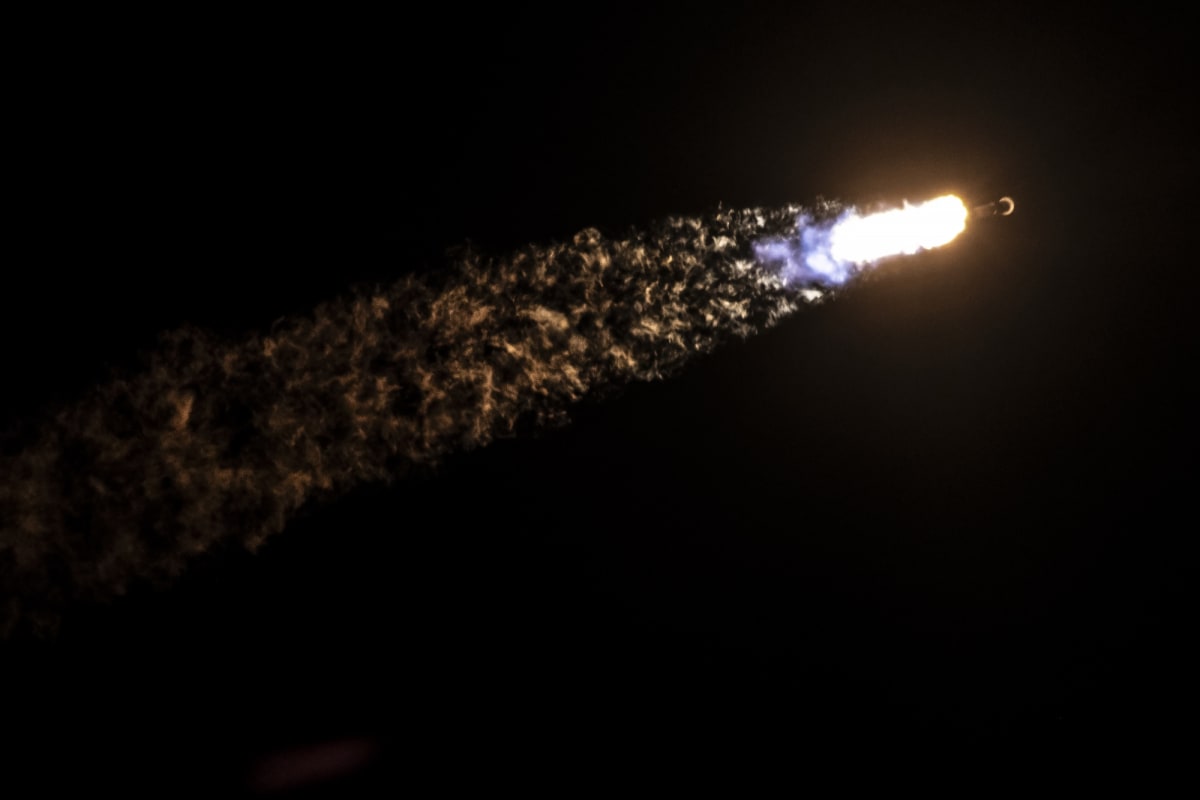
A SpaceX Falcon 9 rocket stage is set to hit the moon on August 5 after launching lunar landers earlier this year. The impact will happen near a crater called Einstein, and while it won't be visible from Earth, telescopes might catch the dust plume it creates.
"What has happened is essentially a mixture of solar activity and gravity forces have put it on a path toward the moon," explained Julianna Scheiman, SpaceX's director of NASA science programs. The company followed all current safety rules, but on high energy missions like this one, bringing the rocket stage back to Earth simply isn't possible yet.
This isn't the first time space hardware has hit the moon. During the Apollo program, NASA deliberately crashed rocket stages into the lunar surface so seismometers could study what's inside the moon. In 2009, a rocket stage intentionally hit near the south pole, helping scientists discover water ice there.
But times are changing. With multiple countries planning moon bases and more missions launching than ever before, even small risks matter more. An accidental collision could potentially threaten future spacecraft or astronauts working on the lunar surface.
That's why SpaceX and NASA are developing better solutions. "We're working in partnership with NASA and the other appropriate agencies on what is the best future disposal path for high energy missions," Scheiman said.
The Bright Side: This accidental impact is already becoming a learning opportunity. NASA's Lunar Reconnaissance Orbiter will photograph the crash site before and after impact to study the effects. South Korea's Danuri orbiter plans to watch too, turning an unplanned event into valuable science.
The collaboration shows how the space industry is maturing. As more players join the race to explore our cosmic neighborhood, they're thinking ahead about how to do it responsibly.
Together, they're writing the rules for a new era of space exploration, one that protects the moon even as we learn to live and work there.
More Images


Based on reporting by SpaceNews
This story was written by BrightWire based on verified news reports.
Spread the positivity!
Share this good news with someone who needs it
%2Fhttps%3A%2F%2Ftf-cmsv2-smithsonianmag-media.s3.amazonaws.com%2Ffiler_public%2F1a%2F72%2F1a72d8cc-970c-48cf-83f6-b16e605ff5c0%2Flow-res_f26-plastic-cookies-hr.jpg)