SpaceX Opens Books: $18.7B Revenue as It Goes Public
After 23 years of financial secrecy, SpaceX just released its first detailed public accounting, revealing a rocket company that's evolved into something much bigger. The nearly 400-page filing shows a business generating billions while dreaming of orbital AI data centers.
The most famously secretive company in space just opened its vault. SpaceX filed paperwork Wednesday for a stock market debut as soon as June 12, giving the world its first real look at how Elon Musk's rocket company actually makes money.
The numbers tell a story of serious growth. SpaceX pulled in $18.67 billion in revenue last year, up from $14.02 billion in 2024, confirming what the industry suspected: launching rockets and beaming internet from space is lucrative.
But here's where things get interesting. SpaceX lost $4.94 billion in 2025 after posting a profit the year before, and the reason reveals where the company is really headed: artificial intelligence.
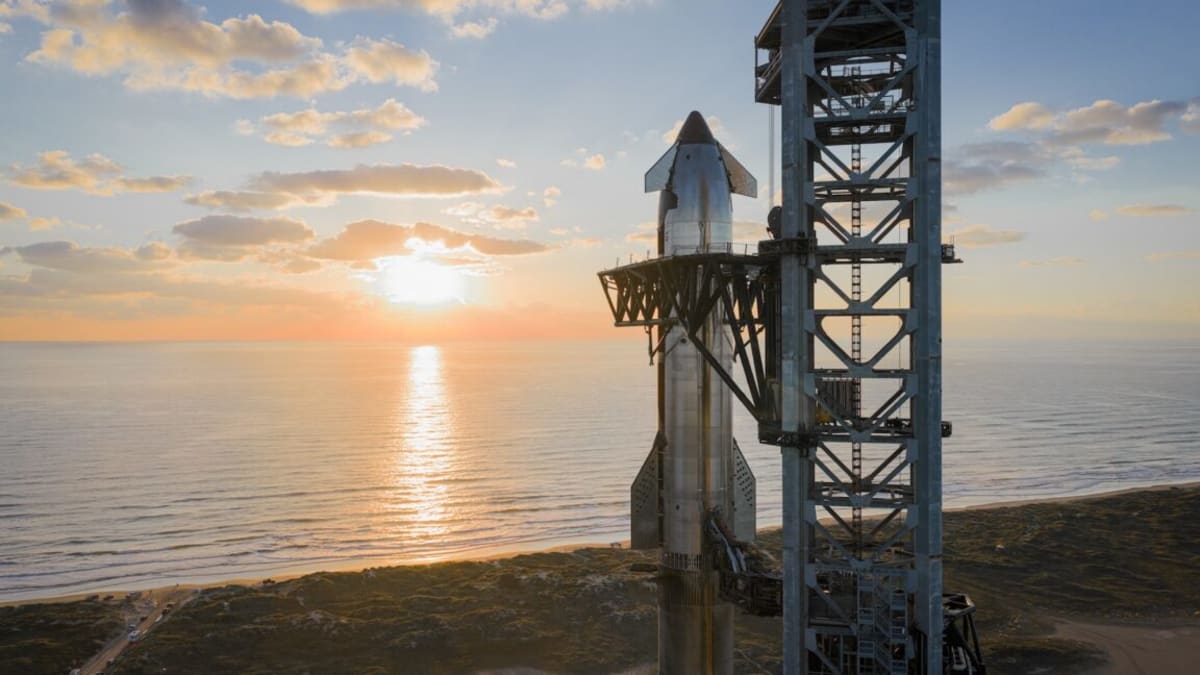
Founded in 2002 to build rockets, SpaceX now operates launch vehicles, runs a global satellite internet network called Starlink, and recently absorbed Musk's xAI company. The filing shows this isn't just mission creep but a calculated bet on becoming the first company to build massive data centers in orbit.
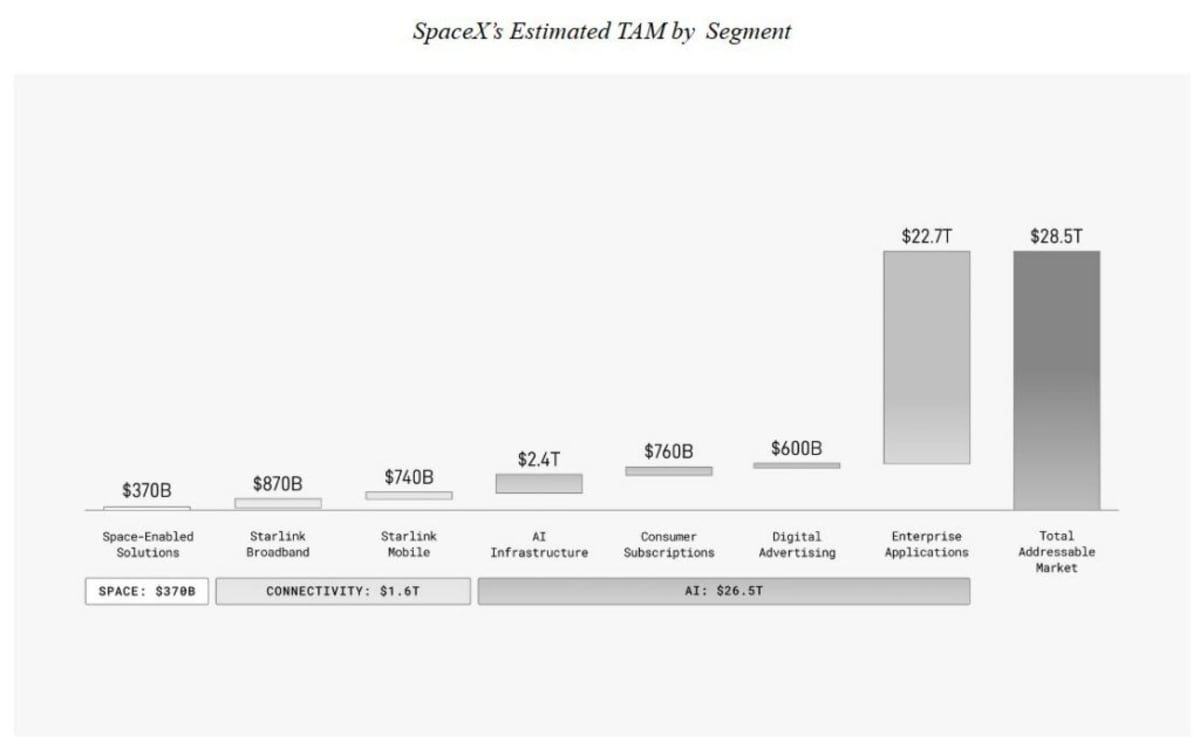
SpaceX believes it has identified a $28.5 trillion market opportunity across space, data, and AI services. Only $2 trillion of that comes from traditional space business, with the remaining $26.5 trillion tied to artificial intelligence applications that would run on computers circling Earth.
The company plans to start launching these orbital AI satellites as early as 2028. Their goal sounds like science fiction: deploying 100 gigawatts of computing power to space each year using their reusable Starship rockets.
President Gwynne Shotwell earned $85.8 million in total compensation last year, while Musk kept his official salary at just $54,080. After the company goes public, Musk will control 85.1 percent of voting power, making his leadership position essentially permanent.
The Ripple Effect
What started as one entrepreneur's dream to reach Mars has quietly become infrastructure for the modern world. SpaceX now launches more rockets than any country, connects remote communities to high-speed internet, and is positioning itself to power the next generation of AI development from orbit.
The filing acknowledges massive technical challenges ahead, from making Starship fully reusable to creating habitable environments for deep space travel. But SpaceX has made a habit of achieving what seemed impossible, from landing rockets vertically to dominating the commercial launch market.
By going public, SpaceX isn't just raising money. It's showing how ambition, persistence, and radical innovation can transform an industry and create opportunities that didn't exist before, inspiring the next generation of entrepreneurs to think bigger about what's possible.
The company that almost went bankrupt after three failed rocket launches is now valued high enough to go public and chase trillion-dollar markets in space.
More Images



Based on reporting by Ars Technica
This story was written by BrightWire based on verified news reports.
Spread the positivity!
Share this good news with someone who needs it