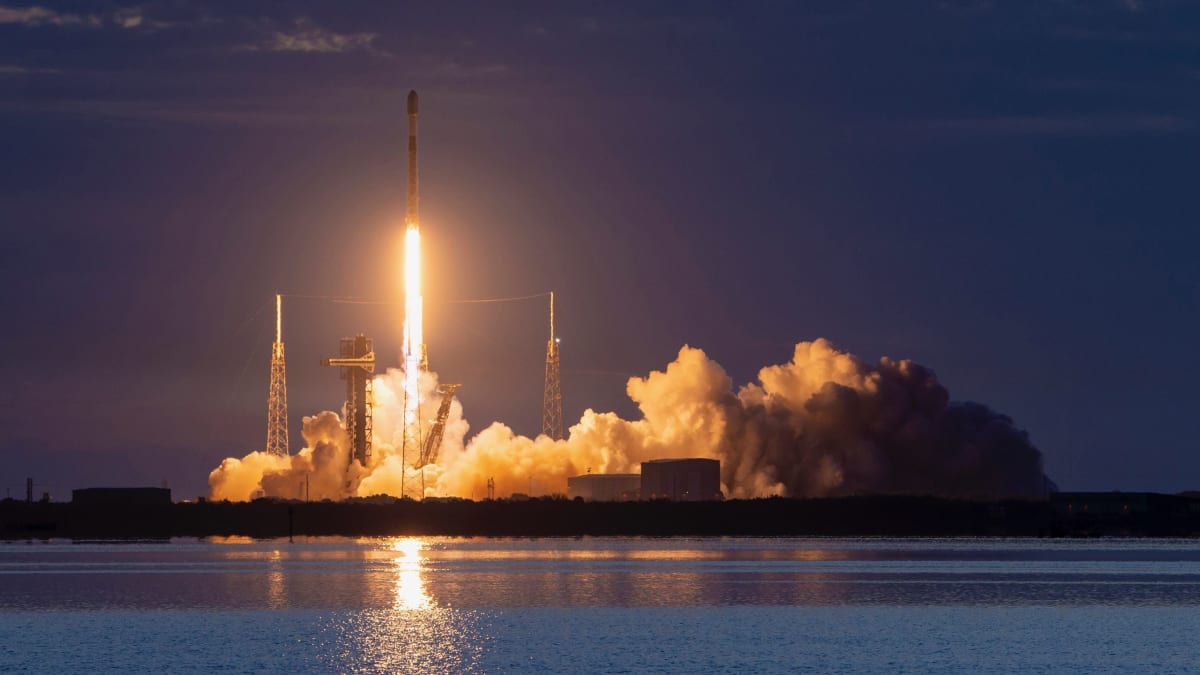
SpaceX Rocket Breaks Record with 37th Flight
A single SpaceX rocket is about to fly for the 37th time, shattering the world record for spacecraft reuse. The milestone proves that making spaceflight cheaper and more sustainable isn't just possible—it's happening right now.
One SpaceX rocket has already flown to space and back 36 times, and early Tuesday morning, it's going for round 37.
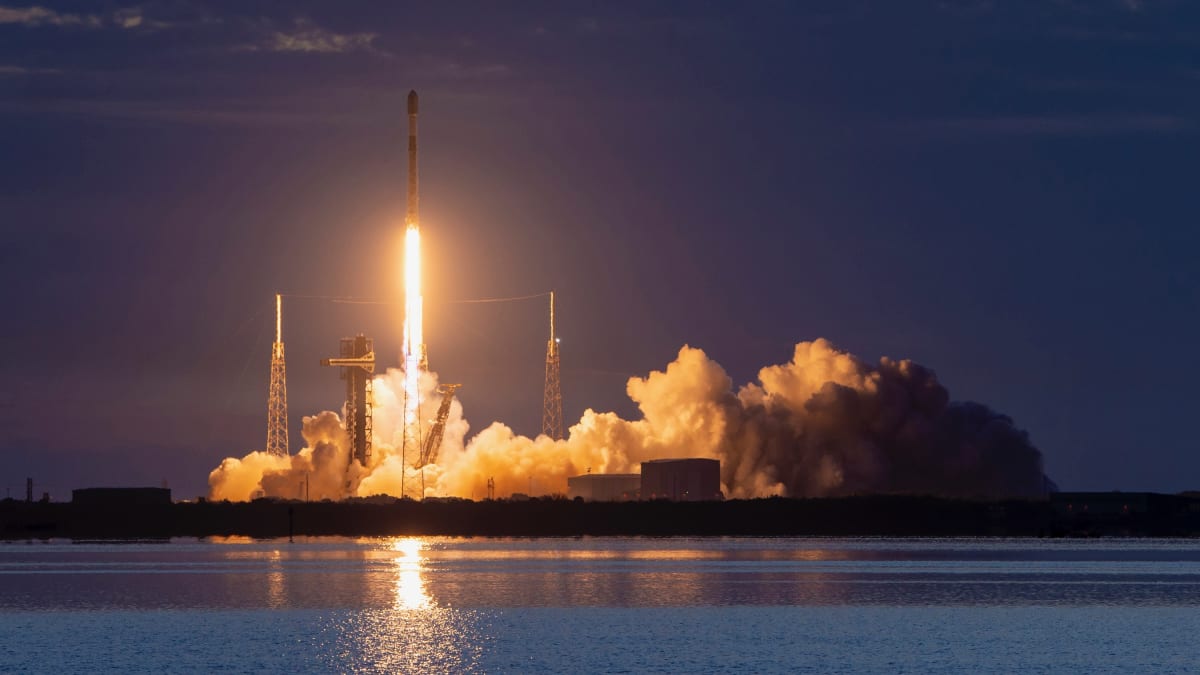
The Falcon 9 booster, called B1067, will launch 29 internet satellites from Cape Canaveral Space Force Station in Florida at 1:49 a.m. EDT. This flight marks the 100th Falcon 9 mission of 2026 and sets a new world record for the most flights by a single rocket.
Think about that for a second. The same piece of hardware that launched astronauts to the International Space Station has been to the edge of space and back more than three dozen times. It's like flying the same airplane across the Atlantic every few weeks for three years straight.
SpaceX has turned what seemed impossible into routine. The company flew 165 missions last year, more than every other rocket in the world combined. Every single one succeeded.
About eight and a half minutes after liftoff, B1067 will land itself on a drone ship in the Atlantic Ocean, ready to fly again. Meanwhile, the satellites will continue to orbit, joining the 11,000 spacecraft already providing internet to remote corners of Earth.
The Ripple Effect
SpaceX now has six boosters with at least 30 flights each. What started as an ambitious experiment has become the new standard for spaceflight.
Other countries are taking notice. In the past six weeks, two Chinese rockets successfully landed after orbital missions for the first time. They're years behind in reuse, but they're trying. Competition drives innovation, and innovation drives progress.
The real game changer is coming next. SpaceX's new Starship rocket is designed to be completely reusable, with both stages returning to Earth. The company envisions each vehicle flying multiple times per day, making space access as routine as air travel.
Lower costs mean more scientists can afford satellites to study climate change. More communities can get internet access. More students can send experiments to space. When you make something cheaper and more reliable, you open doors that were previously locked.
This Tuesday morning launch isn't just about breaking a record—it's proof that sustainable spaceflight is real, and it's getting better every month.
More Images

Based on reporting by Space.com
This story was written by BrightWire based on verified news reports.
Spread the positivity!
Share this good news with someone who needs it