SpaceX Rocket Delivers 5 Tons of Supplies to Space Station
A SpaceX Falcon 9 successfully launched the Cygnus cargo spacecraft to the International Space Station, carrying a full load of science experiments, crew supplies, and equipment. The mission showcases how space companies are working together to keep critical research flowing 250 miles above Earth.
The International Space Station just got a major delivery of supplies to keep astronauts researching, exploring, and making discoveries that benefit life on Earth.
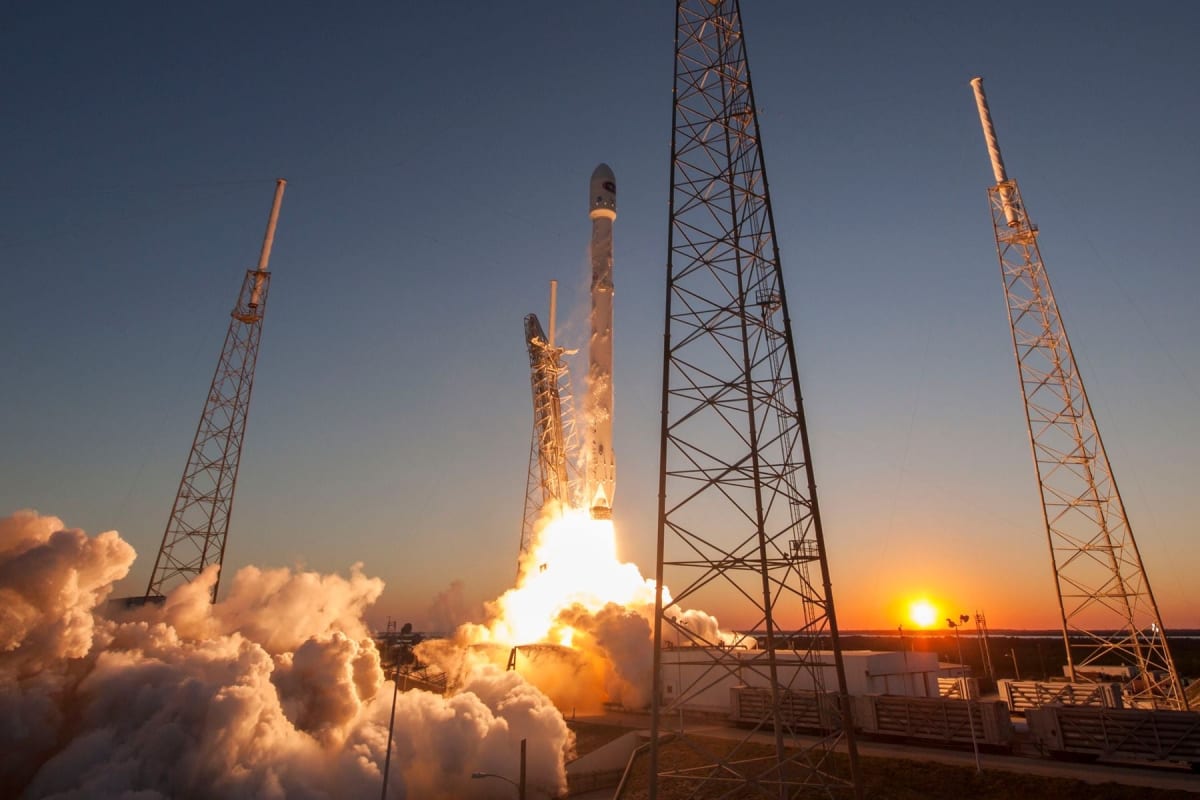
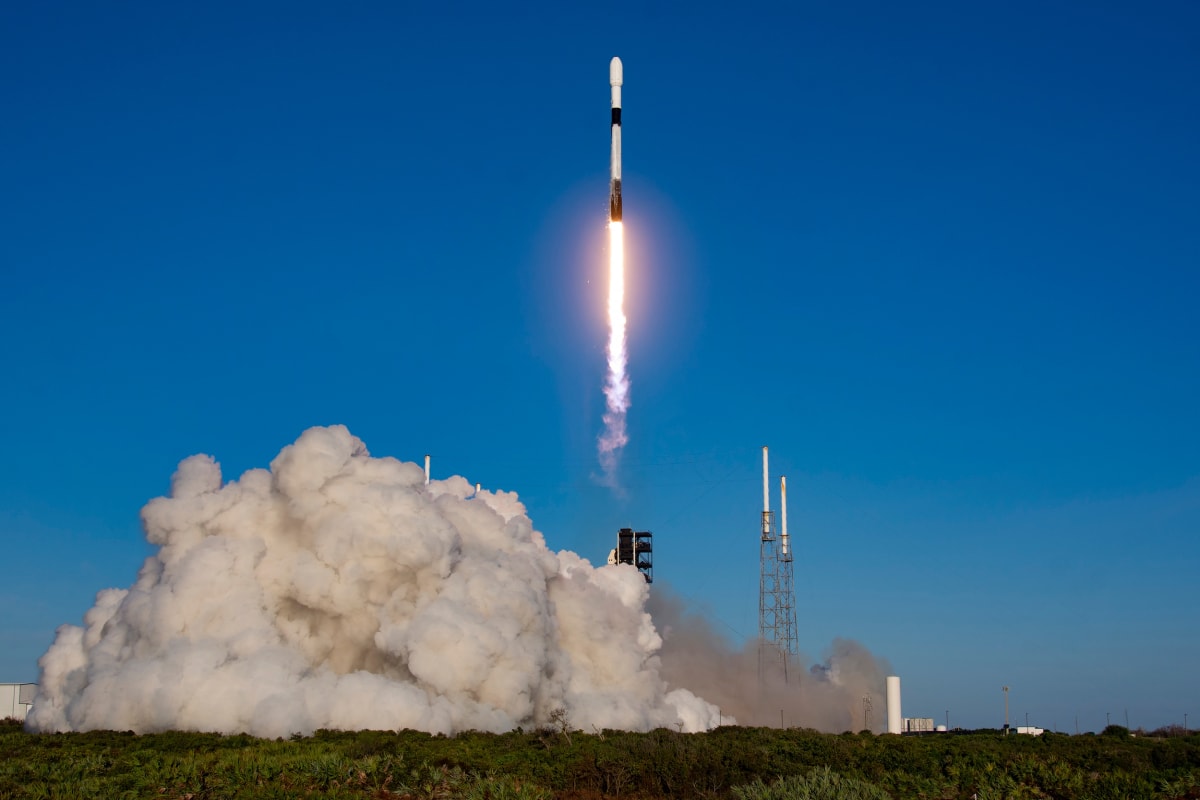
On April 11, a SpaceX Falcon 9 rocket lifted off from Cape Canaveral carrying the Cygnus cargo spacecraft, packed to capacity with 5,000 kilograms of supplies. The spacecraft, named after former NASA astronaut Steven R. Nagel, reached orbit 15 minutes after liftoff and is scheduled to arrive at the station on April 13.
Inside the cargo hold, researchers are sending up 1,075 kilograms of new science experiments. The mission also carries 1,410 kilograms of crew supplies, 2,120 kilograms of vehicle hardware, and equipment for spacewalks and computer systems.
This launch marks something special in the space industry. Northrop Grumman, which built the Cygnus spacecraft, is using its competitor SpaceX's rockets to fulfill its commitment to NASA. This partnership emerged after Northrop retired its previous rocket in 2023 while developing a new one.
The collaboration demonstrates how space companies are prioritizing mission success over rivalry. Rather than delay critical resupply missions, Northrop chose to work with SpaceX to ensure astronauts continue receiving what they need to conduct groundbreaking research.
The Cygnus XL represents an upgrade in cargo capacity, allowing more supplies and experiments to reach the station in a single flight. This efficiency means scientists can send more research to space, potentially accelerating discoveries in medicine, materials science, and technology that could improve life on Earth.
The Ripple Effect
Every cargo mission to the space station supports research that directly benefits people on the ground. Experiments conducted in microgravity have led to breakthroughs in drug development, improved water purification systems, and better understanding of human health.
The partnership between competing space companies also sets a positive example for the growing commercial space industry. By working together when it serves the mission, these companies are proving that collaboration can coexist with competition.
This mission continues a steady stream of supplies keeping the space station operational as a laboratory for humanity. Each successful launch means researchers worldwide can continue using this unique platform to make discoveries impossible anywhere else.
The collaborative spirit driving this mission forward reminds us that great achievements often require setting aside differences for a greater purpose.
More Images


Based on reporting by SpaceNews
This story was written by BrightWire based on verified news reports.
Spread the positivity!
Share this good news with someone who needs it