Spain and Denmark Team Up for €2/kg Green Hydrogen
Two European nations are joining forces to produce affordable green hydrogen by combining Spain's sunny summers with Denmark's powerful winter winds. Their partnership could deliver clean fuel at just €2 per kilogram while supplying energy to the entire continent.
Europe just found a promising solution to its clean energy puzzle, and it comes from an unlikely partnership between sunny Spain and windswept Denmark.
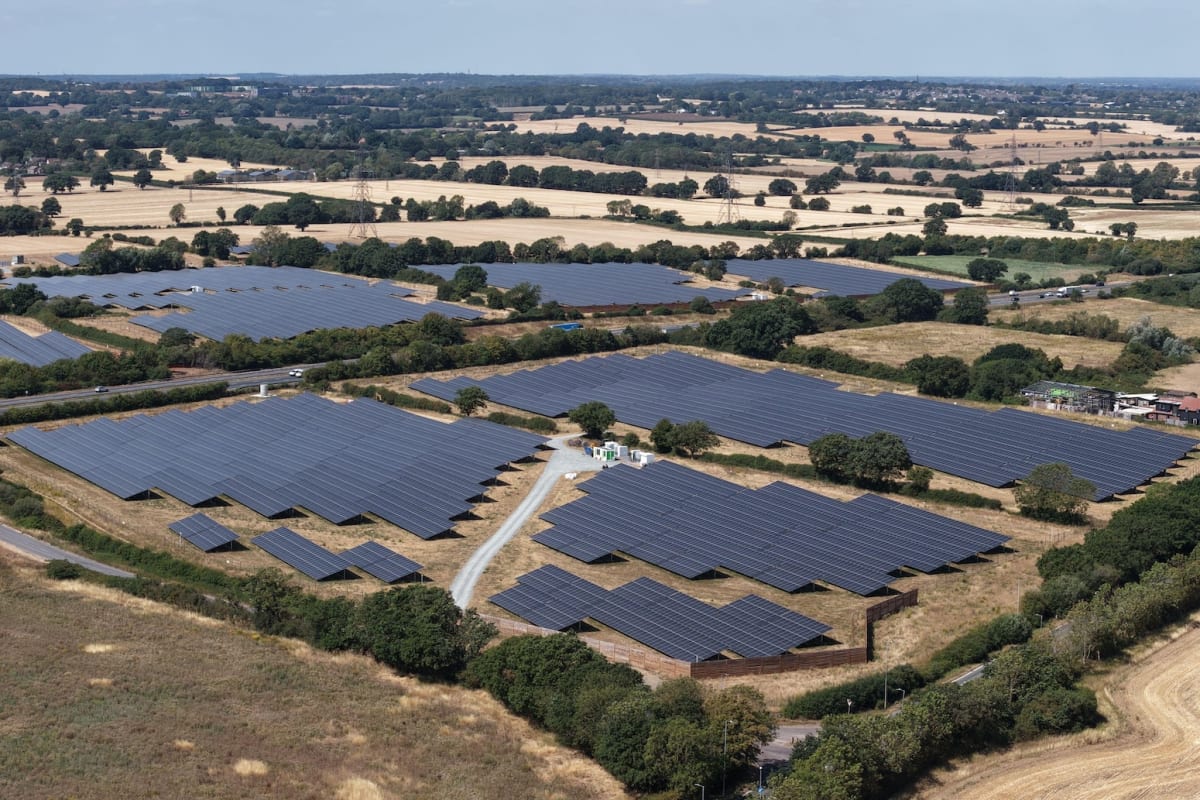
Researchers have mapped out how these two countries could work together to produce affordable green hydrogen by playing to their natural strengths. Spain brings abundant solar power that peaks in summer, while Denmark contributes offshore wind that blows strongest in winter.
The breakthrough lies in how perfectly their seasons complement each other. When Spanish solar panels slow down during winter months, Danish wind turbines pick up the slack. When summer sun floods Spain with energy, it compensates for Denmark's quieter wind season.
An international research team spent six years analyzing weather patterns and renewable energy data to find the sweet spot. They discovered that the type of storage matters more than the location's natural resources when calculating final costs.
The study compared three storage methods and found liquid organic hydrogen carriers most promising. These systems store hydrogen in special liquids at normal temperature and pressure, making them flexible and practical for countries without underground caves for storage.
The numbers tell an encouraging story. Both countries could produce hydrogen for around €2.15 per kilogram, roughly $2.35 in US dollars. That price makes green hydrogen competitive with traditional fossil fuels for the first time.
Denmark already plans to build massive electrolysis facilities by 2030, with capacity reaching up to 6 gigawatts. Spain's solar farms generate over 1.7 megawatt hours per kilowatt yearly, among Europe's highest outputs.
The Ripple Effect
This partnership model could reshape how Europe thinks about clean energy cooperation. Instead of every country racing to build complete hydrogen systems alone, nations could specialize in what they do best and share resources.
The combined approach could supply up to 100 terawatt hours of hydrogen annually to European markets. That's enough to power millions of homes and fuel countless vehicles with zero carbon emissions.
Other countries with complementary renewable profiles are already watching closely. The Spain-Denmark model offers a blueprint for international hydrogen corridors that could stretch across continents.
Researchers emphasize that stable policies and coordinated investments will determine success. Equipment costs and storage expenses still create uncertainty, potentially shifting final prices by 30 percent or more.
Clean energy just got more collaborative, proving that climate solutions work better when countries build on each other's strengths instead of going it alone.
More Images
Based on reporting by Google News - Wind Energy
This story was written by BrightWire based on verified news reports.
Spread the positivity!
Share this good news with someone who needs it