Spain and France Lead Green Energy Without Harming Nature
Two European countries are proving it's possible to expand solar and wind energy while protecting wildlife and ecosystems. New research shows how smart planning makes the difference.
Spain and France are showing the world how to build a clean energy future without sacrificing nature in the process.
Scientists in Switzerland just completed a major study comparing how France, Italy, and Spain balance renewable energy growth with protecting biodiversity. The results offer a roadmap for countries everywhere trying to fight climate change while preserving the natural world.
The researchers analyzed 46 policy documents from the three countries, examining how each nation plans solar farms, wind turbines, and other renewable projects. All three countries face similar challenges: they're racing to expand clean energy while protecting ecologically sensitive areas across their landscapes.
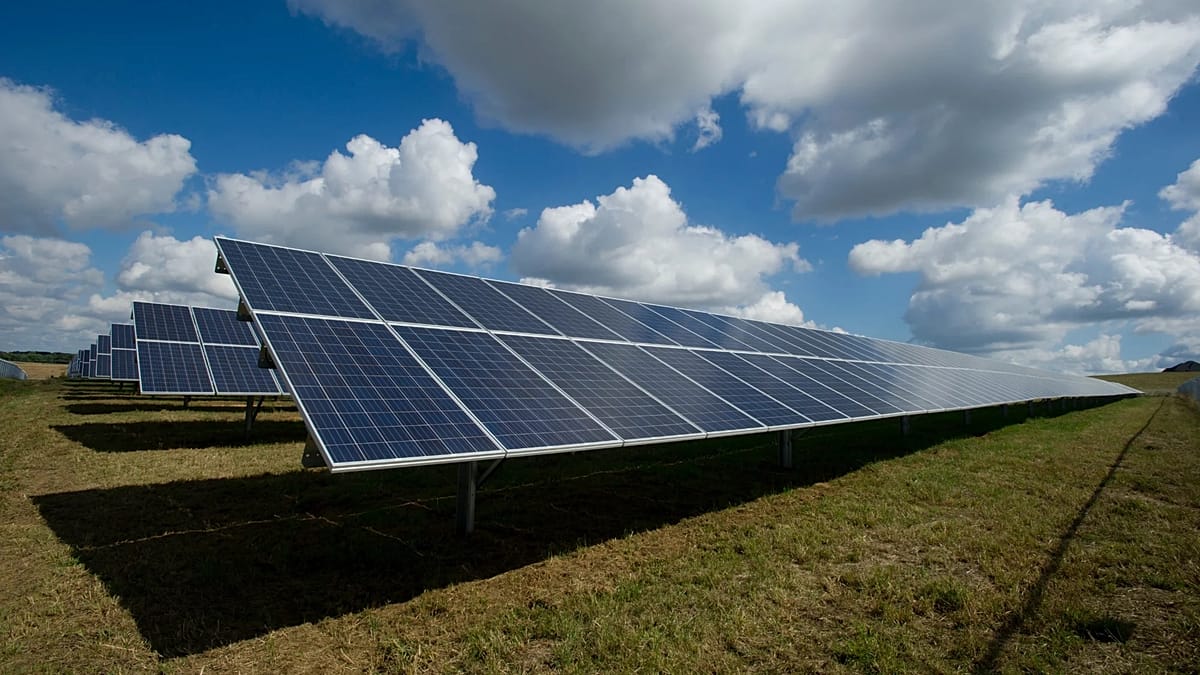
Spain emerged as a leader in data-driven planning. The country uses environmental sensitivity maps to steer solar and wind projects toward degraded or low-value land, keeping them away from protected areas and wildlife corridors. Spanish policy requires projects to achieve "no net loss of biodiversity" through prevention, correction, and compensation measures built into environmental reviews.
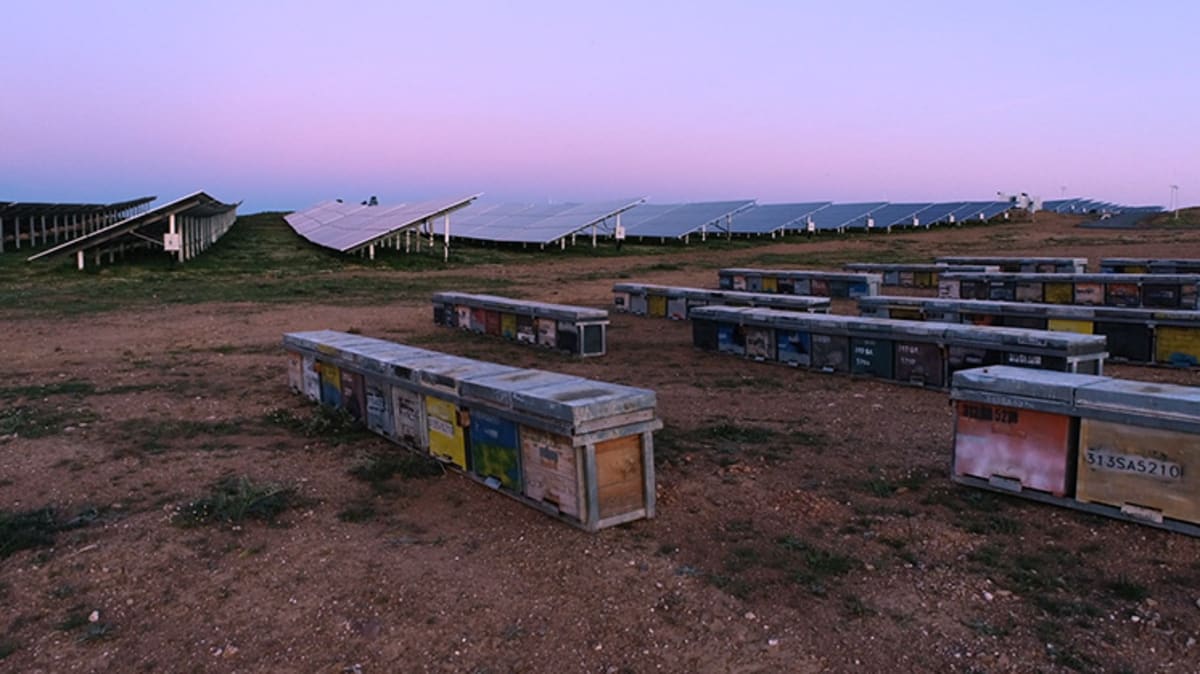
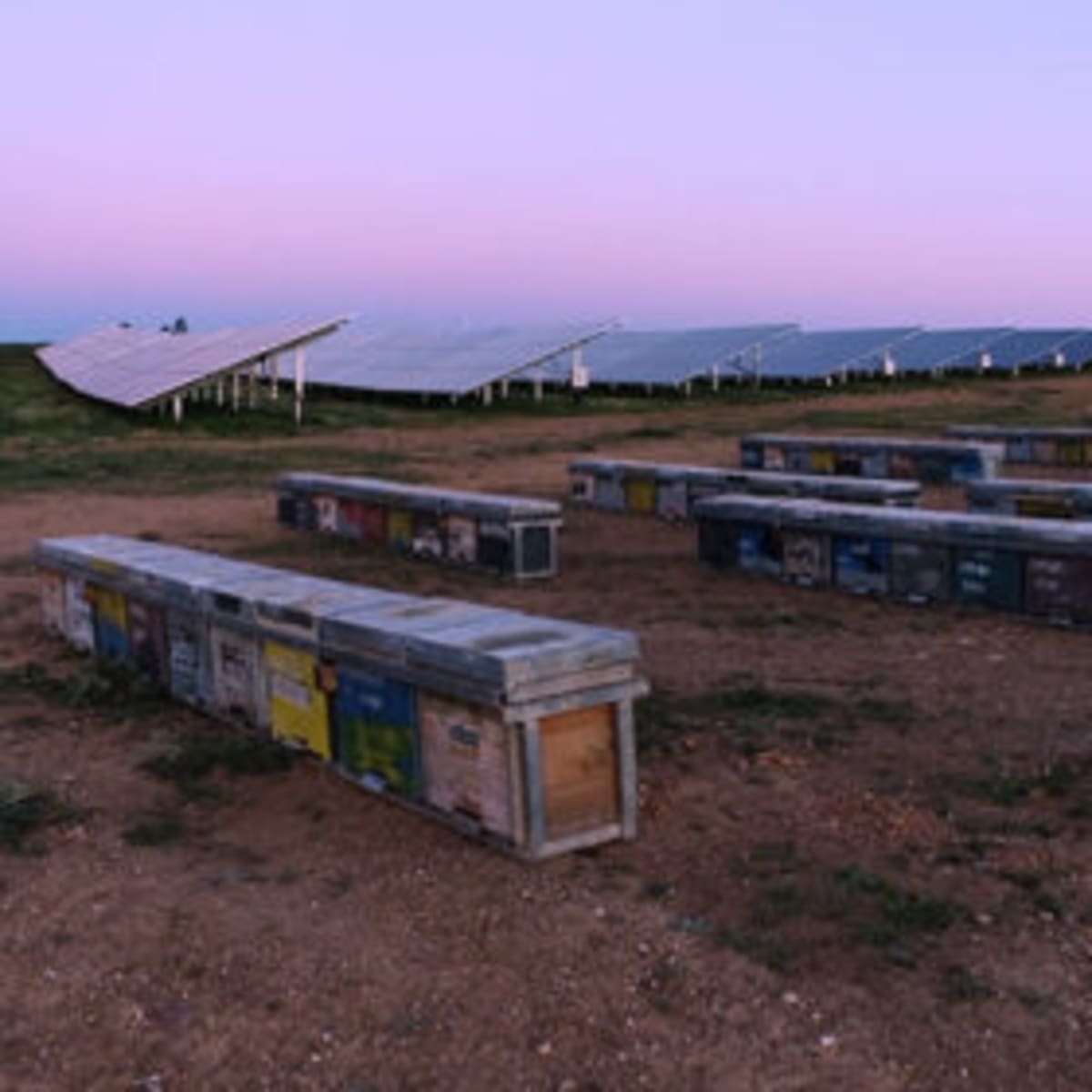
The approach promotes innovative solutions like agrivoltaics, where solar panels share space with crops or grazing animals. This strategy maximizes land use while minimizing environmental disruption.
France stands out for national coordination. The country created "renewable acceleration zones" where communities participate in deciding where projects should go. Specialized observatories monitor how onshore and offshore renewable installations affect wildlife, landscapes, and soil health.
France's General Secretariat for Ecological Planning, established in 2022, ensures different government agencies work together on environmental compliance. This centralized approach allows faster, more uniform implementation of green policies across the country.
Italy's progress depends more heavily on regional authorities, leading to inconsistent results. While national guidelines exist for suitable renewable energy sites, implementation varies widely due to regional differences and legal disputes.
The Ripple Effect
The study's findings matter far beyond Europe. As countries worldwide accelerate renewable energy deployment to meet climate goals, they face the same question: how do we build clean energy infrastructure without destroying the ecosystems we're trying to protect?
The research identified persistent challenges across all three countries. Monitoring systems remain fragmented, with data scattered across regional authorities. Assessing cumulative impacts when multiple projects affect the same area remains difficult.
However, the solutions emerging from Spain and France offer practical models. Science-based spatial planning, centralized coordination, dedicated monitoring systems, and community participation all help align energy goals with environmental protection.
The researchers emphasize that success requires more than just good intentions. It demands institutional capacity to coordinate energy, environmental, and spatial planning policies across government levels. Countries need robust data, harmonized monitoring methods, and strong inter-agency cooperation.
Spain and France prove that protecting nature and fighting climate change aren't competing goals but compatible ones that strengthen each other when approached thoughtfully.
More Images
Based on reporting by PV Magazine
This story was written by BrightWire based on verified news reports.
Spread the positivity!
Share this good news with someone who needs it