Spain Discovers Second Rabbit Species After 2 Million Years
Scientists just realized the Iberian Peninsula has been hiding two distinct rabbit species for millions of years, and recognizing the difference could save one from extinction. What looked like a simple case of regional variants turned out to be a tale of two rabbits with separate evolutionary histories.
For over a century, scientists thought only one species of rabbit hopped across Spain and Portugal. New research just revealed they've been looking at two completely different animals the whole time.
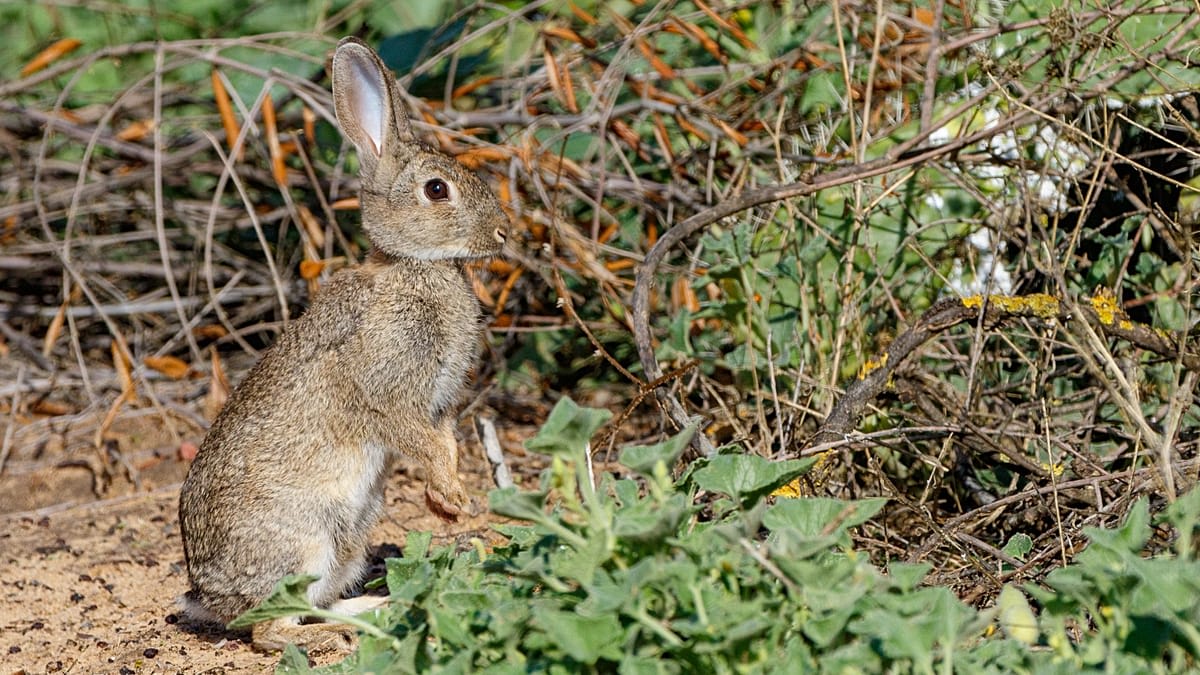
A team from Spain's CSIC institute and universities in Portugal and the UK published findings in Biological Conservation that rewrite rabbit history. The so-called European rabbit is actually two species that split apart two million years ago during ice age glacial periods.
The newly recognized Iberian rabbit lives in Portugal and western Spain, while the European rabbit dominates eastern regions. They've barely interbred since ancient climate changes isolated them in different refuges, one in the Ebro valley and another in the Gulf of Cádiz.
The differences go beyond DNA. The Iberian rabbit is smaller with darker fur, has fewer babies per litter, and reaches sexual maturity earlier than its European cousin. Even their gut bacteria, meat composition, and parasites differ.
"The two species have always been there. What has changed is our knowledge of them," said researcher Rafael Villafuerte. Similar discoveries happened with giraffes, once thought to be one species but now known to be four, and African elephants, now split into savannah and forest types.
The Ripple Effect
This discovery matters far beyond rabbit biology. While European rabbit populations remain stable or even cause agricultural damage in some areas, the Iberian rabbit is declining rapidly in Portugal and southwestern Spain. Managing them as one species has hidden how serious the problem really is.
Game restocking programs have been accidentally making things worse. Wildlife managers typically release European rabbits, which breed faster and compete more aggressively, into areas where only Iberian rabbits should live. This speeds up replacement through competition and crossbreeding.
The stakes reach across entire ecosystems. Rabbits feed up to 40 predator species, including the endangered Iberian lynx and Spanish imperial eagle. What happens to rabbit populations shapes the survival of much of Mediterranean wildlife.
Formally recognizing two species would enable scientists and wildlife managers to design specific monitoring programs, recovery plans, and hunting regulations for each rabbit. Instead of one-size-fits-all approaches, conservation efforts could match the actual needs of each unique lineage.
The discovery shows that sometimes the biggest breakthroughs come from taking a closer look at what we thought we already knew.
More Images



Based on reporting by Euronews
This story was written by BrightWire based on verified news reports.
Spread the positivity!
Share this good news with someone who needs it