Kashmir's Manasbal Lake Welcomes Migratory Birds Back
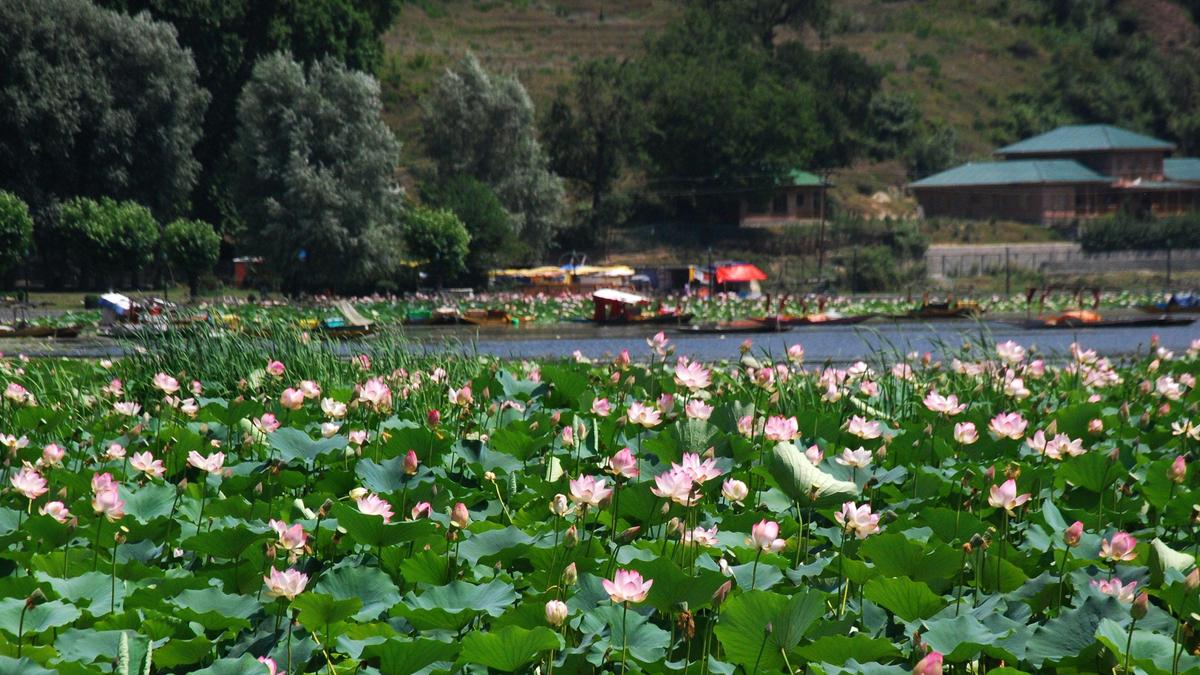
After years of decline, India's deepest freshwater lake is bouncing back thanks to a major cleanup effort. More than 46 bird species are returning to Kashmir's Manasbal Lake, signaling a wildlife comeback story five years in the making.
The migratory birds are coming home to Manasbal Lake. After a five-year absence, rare species like the Long-Eared Owl and Horned Grebe are returning to this 43-foot-deep freshwater gem in Kashmir's Ganderbal district.
The turnaround started with a simple problem: too many weeds. Over time, thick mats of aquatic vegetation choked the 3.5-kilometer lake, blocking water circulation and driving away wildlife.
Then the Wullar-Manasbal Development Authority got to work. Teams removed over 7,200 cubic meters of accumulated weeds from the lake surface and dredged 70,000 square feet to restore water channels and depth.
The cleanup worked. Clear water now flows through long strips of channels where dense vegetation once dominated. Wildlife photographer Bilal Nasir Zargar, who has documented the lake for 12 years, noticed the change immediately.
"Five years ago, the water level dropped and migratory birds stopped coming," Zargar said. "Last winter, I started spotting them again. The water quality has definitely improved."
The lake now hosts 46 bird species from 23 families, including Mallards, White-Headed Ducks, Golden Eagles and Lesser Pied Kingfishers. Officials celebrated the return by hosting a bird watching festival this winter, where enthusiasts spotted several rare species.
But the work isn't finished. Authorities are installing trash guards on canal junctions to keep solid waste out of the lake. A new sewage treatment plant and waste management facility will process pollution before it reaches the water.
The most innovative step involves water budgeting. Scientists will measure exactly how much water the lake needs to stay healthy, tracking everything from water supply schemes to natural outflows.
The Ripple Effect
The lake's recovery is bringing the local community together in unexpected ways. Residents who once watched their lake deteriorate are now active partners in protecting it.
The authority organizes joint programs with students, environmental groups and local agencies for World Wetland Day celebrations, bird watching festivals and sanitation drives. The goal is creating sustainable, lake-friendly tourism that benefits both people and wildlife.
Officials even proposed relocating three nearby villages to reduce pollution pressure on the lake. After two years of suspended sanitation services, regular waste collection has resumed across 644,000 square meters surrounding the water.
For the birds making their annual journey from distant lands, Manasbal Lake is once again a safe place to land. The message is clear: when communities commit to restoration, nature responds.
Based on reporting by The Hindu
This story was written by BrightWire based on verified news reports.
Spread the positivity!
Share this good news with someone who needs it