Spain Mobilizes Vaccines to Protect Migrants in Ceuta
Spain's Health Ministry is coordinating a nationwide effort to supply vaccines to Ceuta after thousands of migrants arrived needing medical care. Health officials from across the country are teaming up to ensure everyone gets the protection they need.
Spain is showing how coordinated public health response can protect vulnerable communities when they need it most.
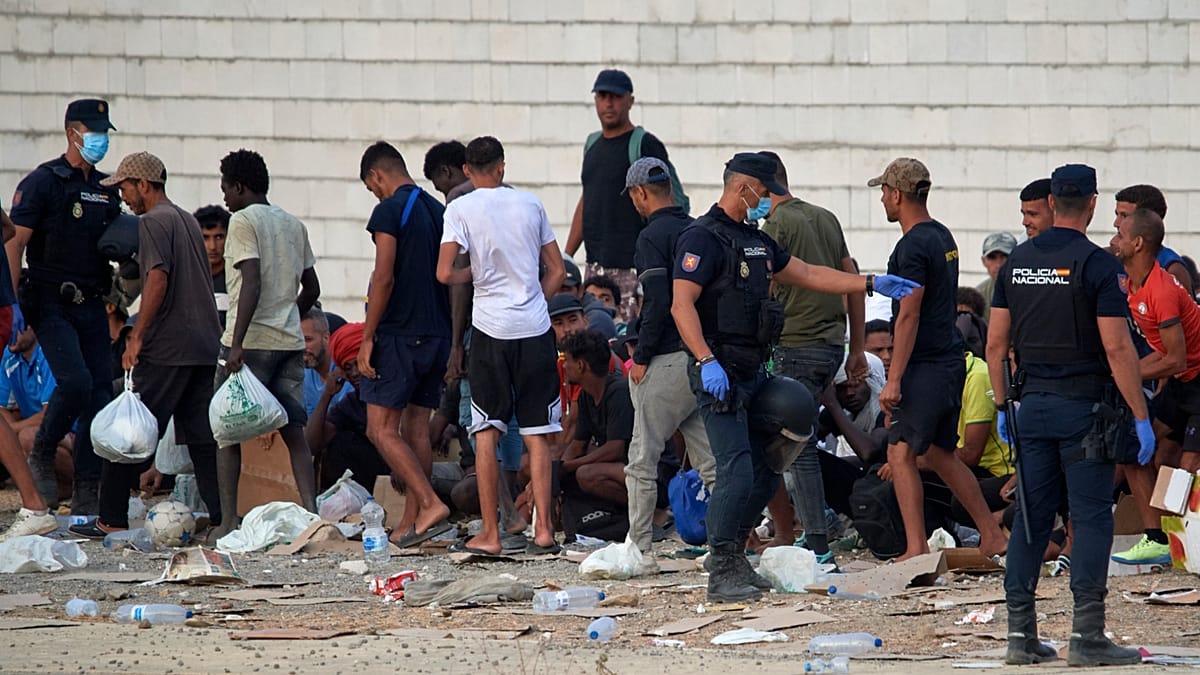
After more than 5,000 migrants arrived in Ceuta from Morocco in late July, Spain's Health Ministry called an emergency meeting to ensure the city has enough vaccines for everyone. Representatives from all of Spain's autonomous communities will meet on August 24 to organize a "solidarity mechanism" that pools vaccine resources.
The goal is simple: make sure every person in Ceuta can get immunized against preventable diseases. The ministry plans to provide vaccines for measles, mumps, rubella, chickenpox, polio, tetanus, and diphtheria.
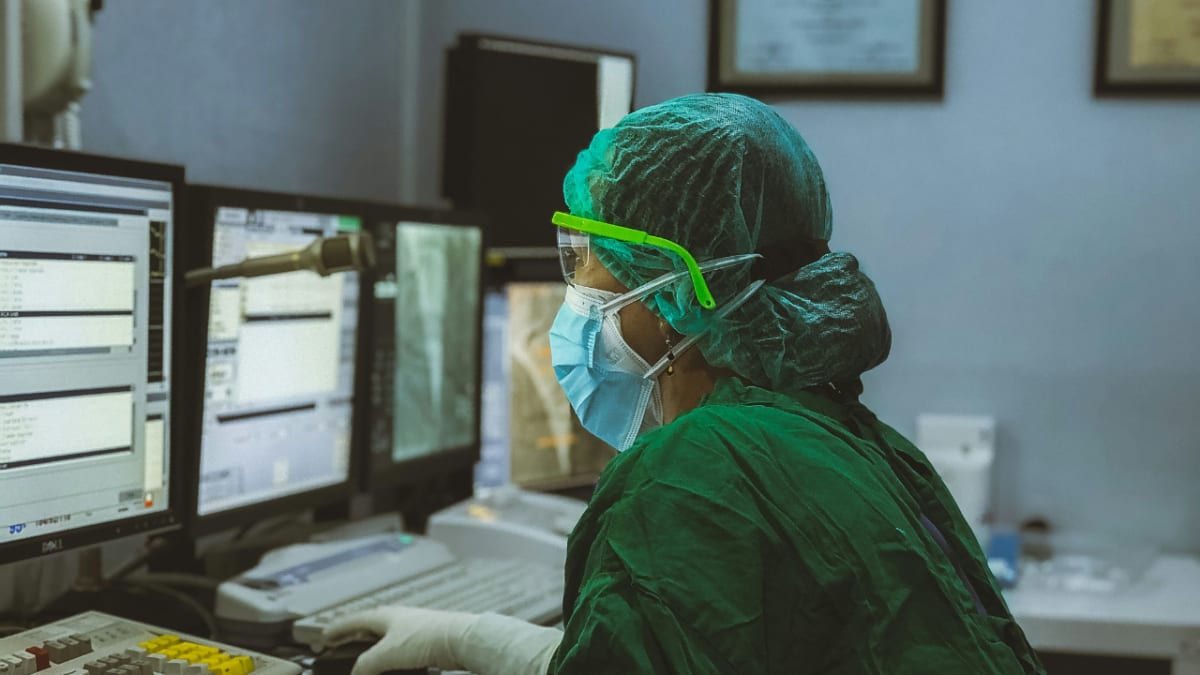
Healthcare workers have been busy responding to the needs of new arrivals. Between July 31 and August 14, medical teams provided over 5,800 consultations through the National Institute of Health Management, while Red Cross volunteers offered an additional 2,500 appointments at a temporary beach clinic.
The health challenges people are facing stem from overcrowding and poor sanitary conditions, not migration itself. Spain's Society of Epidemiology made this clear, emphasizing that anyone living in cramped quarters without adequate facilities would face similar health risks.
The Ripple Effect
This coordinated response shows what happens when communities work together during a crisis. Rather than leaving Ceuta to handle the situation alone, health officials from across Spain are sharing resources to protect public health.
The vaccination campaign will help prevent disease outbreaks that could affect both new arrivals and longtime residents. By focusing on prevention now, health workers are protecting the entire community's wellbeing.
Spain's medical teams are also providing treatment for current health issues while working to improve living conditions that contributed to them. The Red Cross continues operating its beach clinic to ensure everyone has access to care.
This collaborative approach demonstrates how public health systems can respond quickly to unexpected challenges when regions support each other.
Spain's solidarity mechanism is ensuring that distance and borders don't determine who gets protection from preventable disease.
More Images

Based on reporting by Euronews
This story was written by BrightWire based on verified news reports.
Spread the positivity!
Share this good news with someone who needs it