Spain Scientists Shrink Pancreatic Tumors in Mice Study
Researchers in Spain have found a triple-drug combination that eliminates pancreatic tumors in mice without them returning. The breakthrough could eventually transform treatment for one of cancer's deadliest forms.
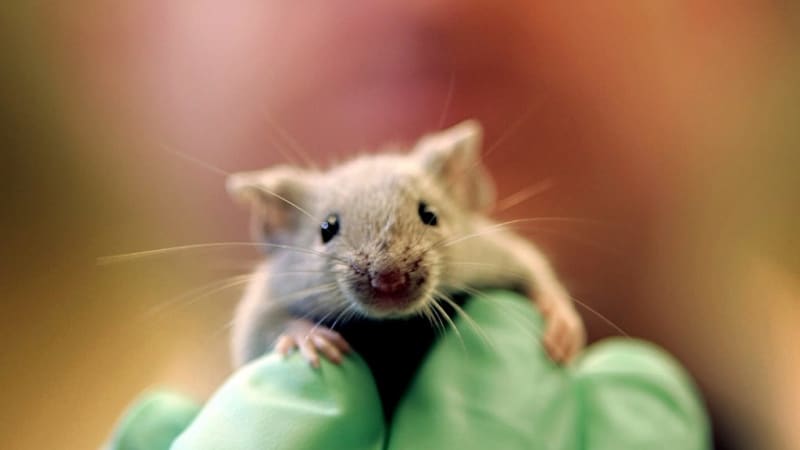
Scientists at Spain's National Cancer Research Centre have achieved something remarkable: making pancreatic tumors disappear in mice and keeping them from coming back.
Pancreatic cancer kills faster than almost any other cancer, with fewer than 10 percent of patients surviving five years after diagnosis. Spain alone sees more than 10,300 new cases each year. The disease fights back hard against treatment, quickly developing resistance to drugs that initially seem to work.
The research team tried something different. Instead of attacking the cancer at one point, they hit it at three places simultaneously along a critical molecular pathway controlled by the KRAS oncogene. They combined an experimental KRAS inhibitor with a drug already approved for lung cancer and added a protein degrader to the mix.
The tumors vanished. Even better, they stayed gone across three different animal models, and the mice showed no significant side effects.
Previous attempts to block KRAS have failed because the cancer finds workarounds when only one pathway gets blocked. This triple approach closes those escape routes before the tumor can adapt.
The results appeared in the scientific journal PNAS, offering new hope for designing combination therapies that could extend survival for patients with pancreatic ductal adenocarcinoma, the most common and aggressive form of the disease.
Why This Inspires
This discovery matters because pancreatic cancer has remained stubbornly deadly while other cancers have seen survival rates improve. Patients and families facing this diagnosis have had few reasons for optimism. This research changes that conversation.
The approach of targeting multiple pathways simultaneously could apply beyond pancreatic cancer. The same principle might work for other aggressive cancers that quickly develop treatment resistance.
The researchers themselves urge realistic expectations. Clinical trials in humans remain years away, and translating mouse studies to human patients involves complex challenges. Optimizing the drug combination for people will take time and careful work.
Still, the team feels confident this finding charts the course for future trials. After decades of limited progress against pancreatic cancer, having a clear direction forward counts as genuine progress.
More than 10,000 Spanish families each year receive devastating pancreatic cancer diagnoses. This breakthrough won't help them immediately, but it offers something precious: a credible path toward better outcomes.
More Images
Based on reporting by Regional: singapore breakthrough (SG)
This story was written by BrightWire based on verified news reports.
Spread the positivity!
Share this good news with someone who needs it