Spain's Lynx Recovery Reshapes Forests in Surprising Ways
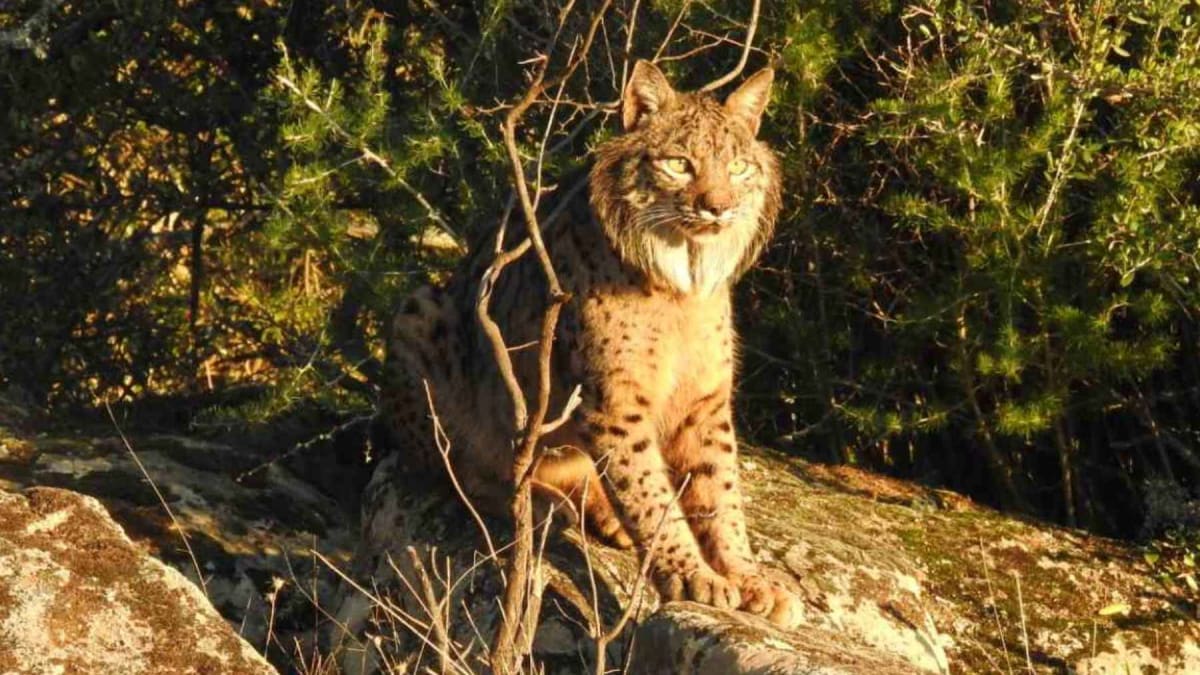
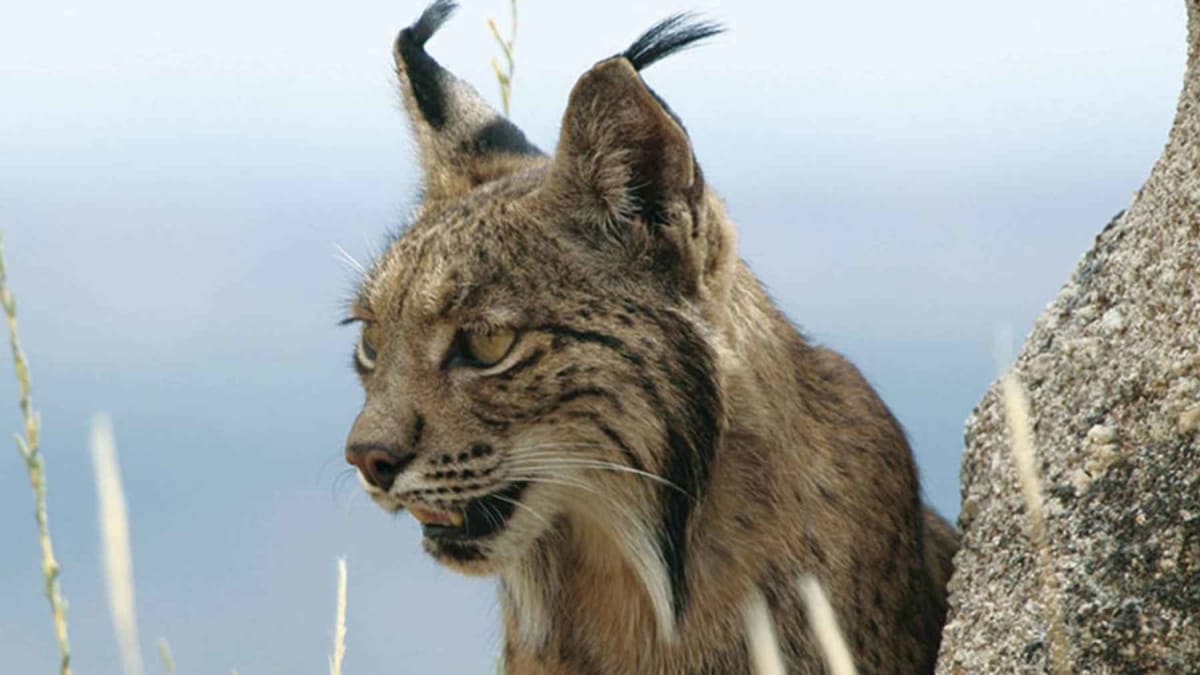
The Iberian lynx's stunning comeback from near extinction is changing Mediterranean forests in unexpected ways. Scientists discovered the recovering predator is accidentally altering how trees spread their seeds.
A wild cat once on the brink of extinction is now quietly redesigning the forests of Spain and Portugal, and scientists say it's a reminder that nature doesn't always follow the script we write.
The Iberian lynx has roared back from fewer than 100 individuals to over 2,400 today, one of Europe's greatest conservation wins. In 2024, the species improved from "Endangered" to "Vulnerable" on the global Red List, celebrating two decades of dedicated protection efforts.
But researchers at the University of Cádiz just discovered something no one expected. When lynx return to an area, they scare foxes and stone martens into hiding in dense forests, and those smaller animals happen to be critical gardeners for Mediterranean trees.
Foxes and martens eat the fruits of Iberian pear trees, then scatter the seeds across sunny clearings as they roam. It's unglamorous work, but without it, the next generation of trees never gets planted. When lynx prowl nearby, however, those seed deliveries drop by up to 80%.
Here's where it gets interesting. The frightened foxes and martens stick to shaded forest cover where they feel safer from lynx. They still drop seeds, but now those seeds land in dark, crowded spots where sun-loving Iberian pear seedlings can barely survive.
Lead researcher Tamara Burgos says it's like planting a cactus in a basement. The seed might be safe from predators, but safety doesn't equal success if the conditions are all wrong.
The study doesn't suggest stopping lynx conservation. Instead, it reveals that rewilding creates ripples scientists are still learning to read, especially in landscapes where other large animals have already vanished.
The Ripple Effect
This discovery shows how deeply connected wild systems really are. A returning predator doesn't just hunt rabbits. It changes where foxes walk, which changes where trees grow, which shapes the entire forest decades from now.
Other Mediterranean plants like the strawberry tree might face similar shifts, though researchers haven't studied that yet. The team emphasizes that conservation needs to consider the whole web of life, not just the star species on the poster.
The lynx itself remains a triumph. Population numbers grew 19% between 2023 and 2024 alone, proof that determined conservation can pull species back from the edge.
What makes this story hopeful isn't that everything works perfectly, but that scientists are paying attention to the complications and adjusting as they learn. Restoring nature was never going to be as simple as flipping a switch, and embracing that complexity is how we'll get it right.
The Iberian lynx is back, the forests are responding, and researchers are watching closely to help both thrive together.
More Images


Based on reporting by Google News - Researchers Find
This story was written by BrightWire based on verified news reports.
Spread the positivity!
Share this good news with someone who needs it