Spain's Rare Ibis Population Soars Past 50 Breeding Pairs
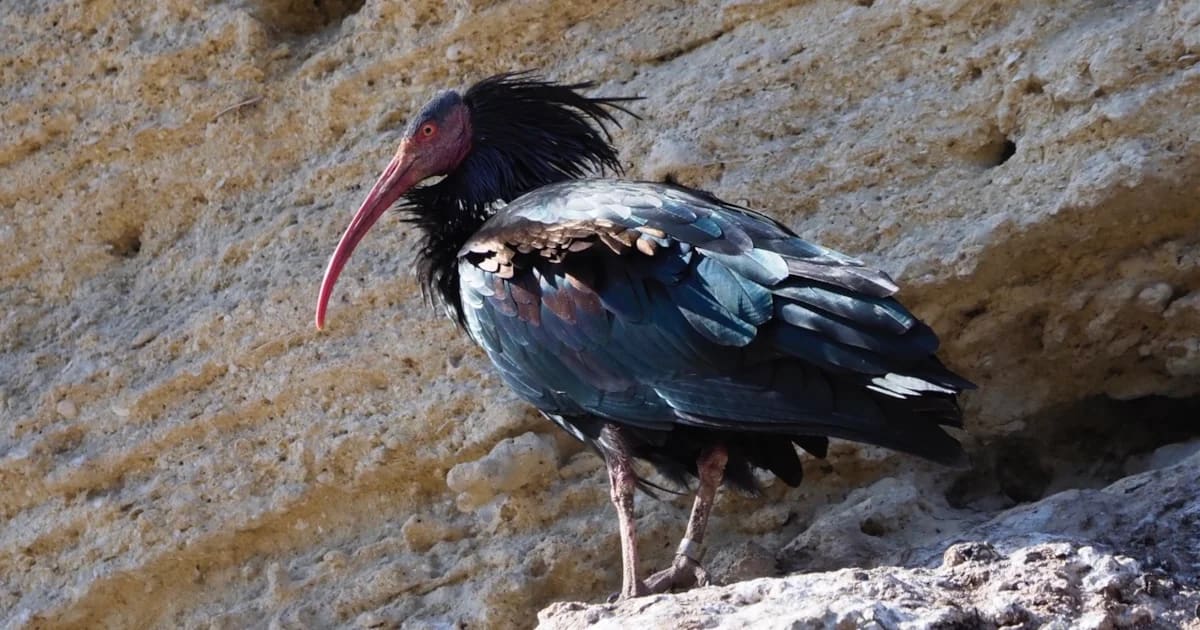
A bird once extinct in Europe for over 300 years is thriving again in southern Spain, with wild breeding pairs now exceeding 50 for the first time. The Northern Bald Ibis comeback shows what's possible when conservationists refuse to give up.
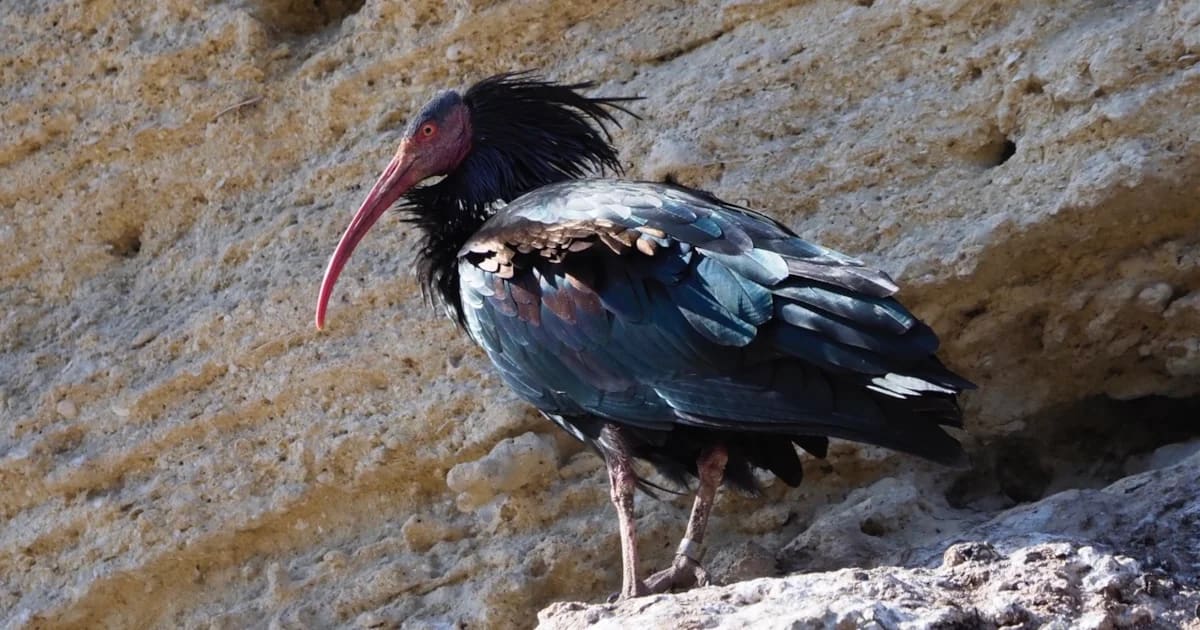
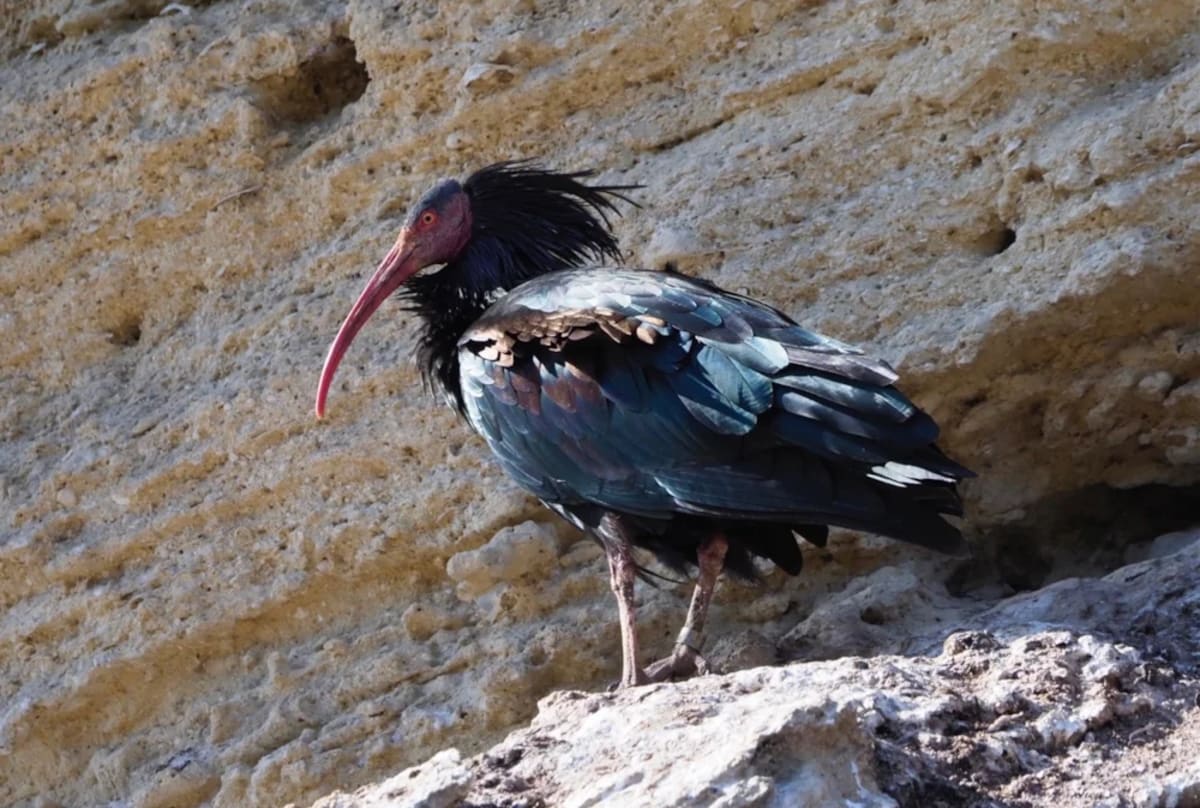
After vanishing from Europe in the 1600s, the Northern Bald Ibis is staging a remarkable comeback in the cliffs of southern Spain.
More than 50 breeding pairs now call the rocky coastline near Vejer de la Frontera home, raising 56 chicks in the wild this year. It's a milestone two decades in the making, and proof that species on the brink can bounce back with the right help.
The Northern Bald Ibis once soared across southern Europe, North Africa, and the Middle East. But hunting, habitat loss, and farming pressures drove it to near extinction by the early 1900s. By the end of the 17th century, Europe had lost the species entirely.
Spain's recovery story started small in 2004 with the Eremita Project. Led by the Jerez Zoobotanical Garden and the Andalusian government, conservationists began releasing captive-bred birds in 2005. Three years later, the first wild chicks hatched at La Breña y Marismas del Barbate Natural Park.
The early years tested everyone's patience. Predators took some birds, and fierce coastal winds battered their nests. The colony eventually moved to more sheltered cliffs at Vejer de la Frontera, where conditions suited them better.
From there, growth accelerated. Just four nests existed in 2012. By 2013, that number jumped to 19 pairs. Now the population has more than doubled again.
The Ripple Effect
This success isn't happening in isolation. European conservation groups have joined forces, sharing expertise on reintroduction techniques and migration patterns. Facilities like Alberto Durán Zoo continue breeding programs to support the wild population.
The project has also strengthened partnerships between conservation organizations and regional authorities. Enhanced monitoring systems track the birds' movements, while teams are developing new release sites to spread the population across a wider area.
Spain's thriving colony is becoming a cornerstone for the species' wider European recovery. The goal is a self-sustaining population that doesn't need human intervention, contributing birds and knowledge to reintroduction efforts across the continent.
Twenty years ago, seeing these distinctive birds nesting wild in Spain seemed like an impossible dream, but today they're raising the next generation on their own.
More Images
Based on reporting by Google News - Conservation Success
This story was written by BrightWire based on verified news reports.
Spread the positivity!
Share this good news with someone who needs it