Spain's Total Eclipse: How to Safely Film August 12 Event
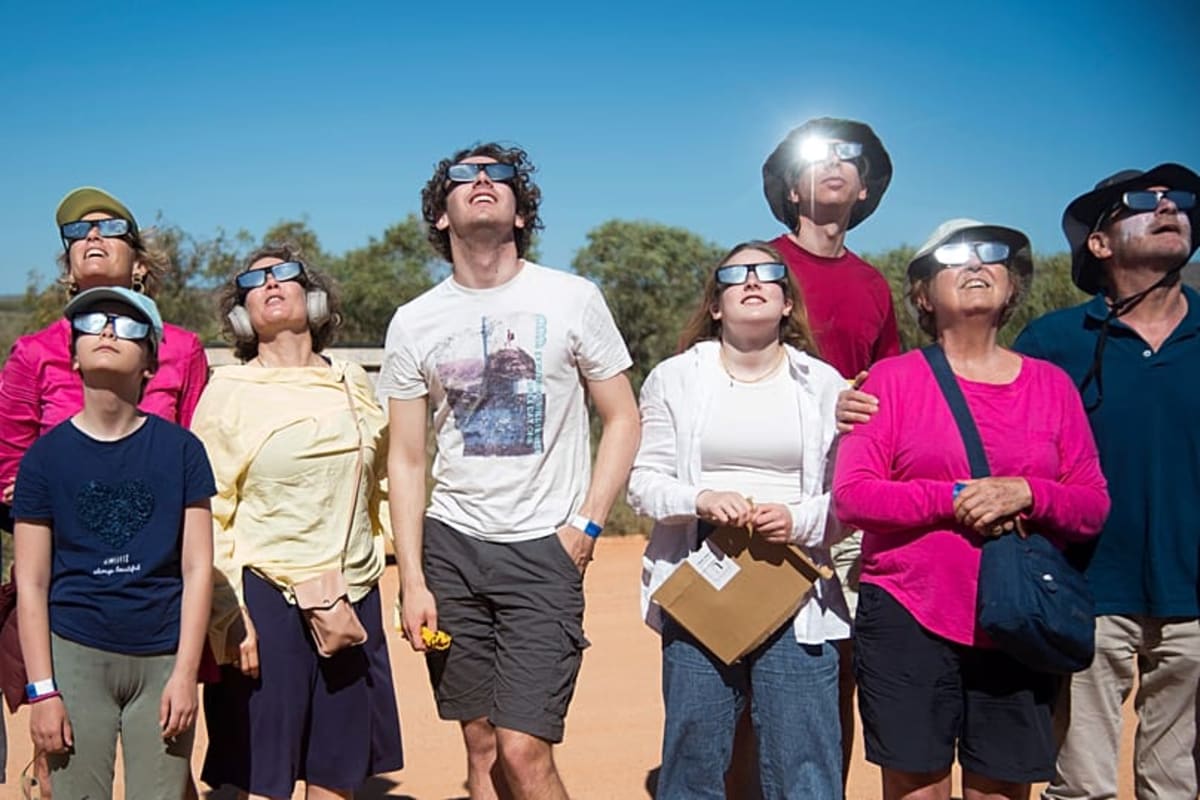
Spain will witness its first total solar eclipse in over a century on August 12, and astronomy enthusiasts are learning how to capture it without destroying their phones. Simple, affordable protections can help everyone safely photograph this rare celestial event.
On August 12, a total solar eclipse will sweep across Spain for the first time since 1912, and millions want to capture it on their phones without frying their cameras.
The Moon will completely block the Sun along a narrow strip crossing northern and eastern Spain, starting in Galicia around 7:30 pm and racing east to Palma de Mallorca by sunset. Totality will last just under two minutes, and the same night coincides with the peak of the Perseid meteor shower, offering sky watchers a spectacular double feature.
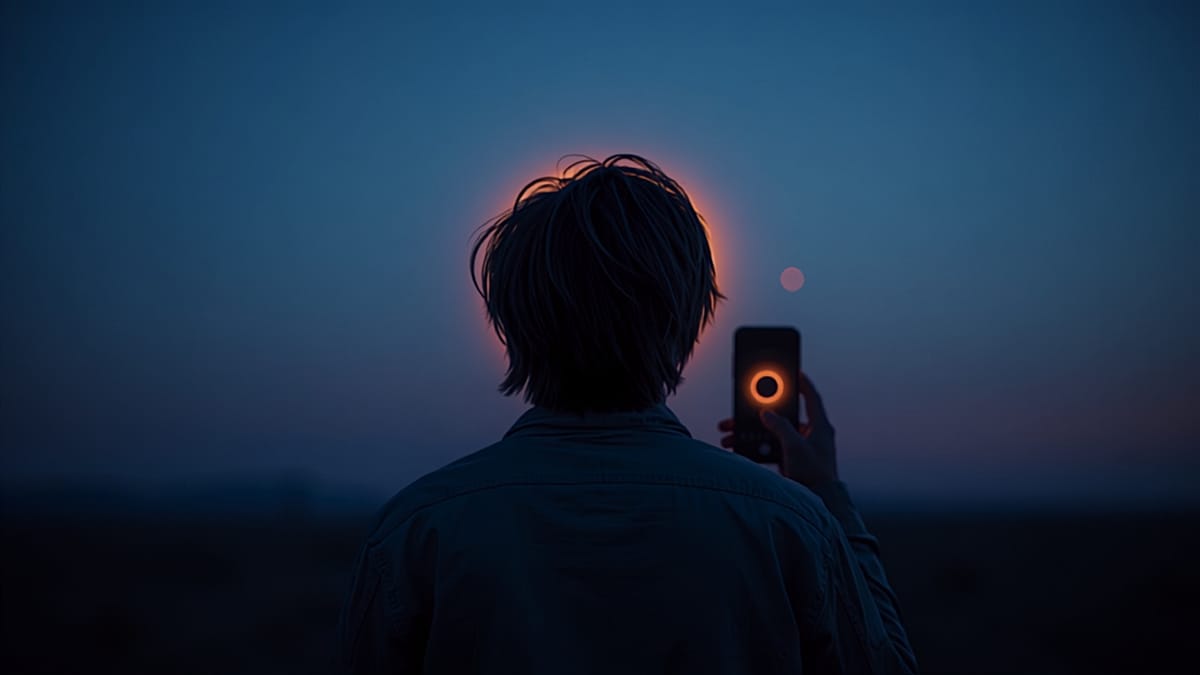
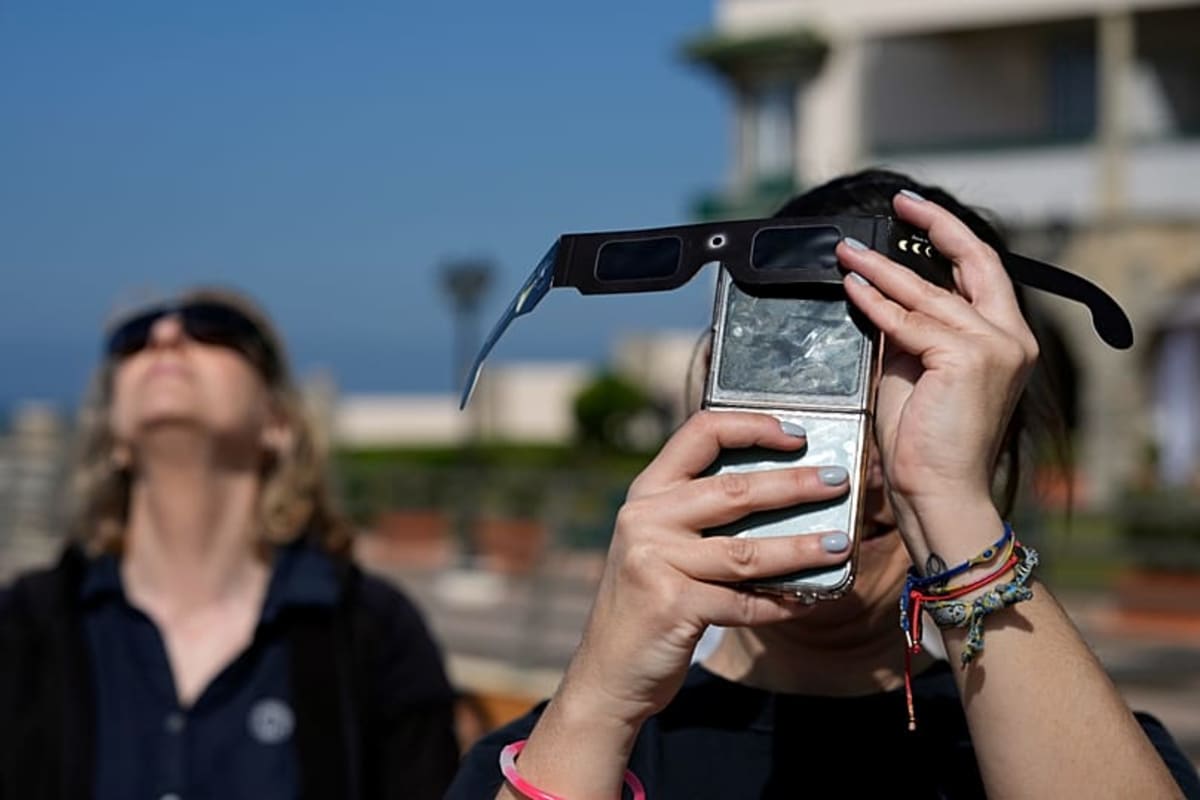
Your phone's camera works like a magnifying glass, concentrating sunlight onto a tiny sensor that can overheat and permanently burn when pointed at the Sun. The longer you aim at the Sun without protection, especially using zoom, the higher the chance of creating dead pixels and black spots that never go away.
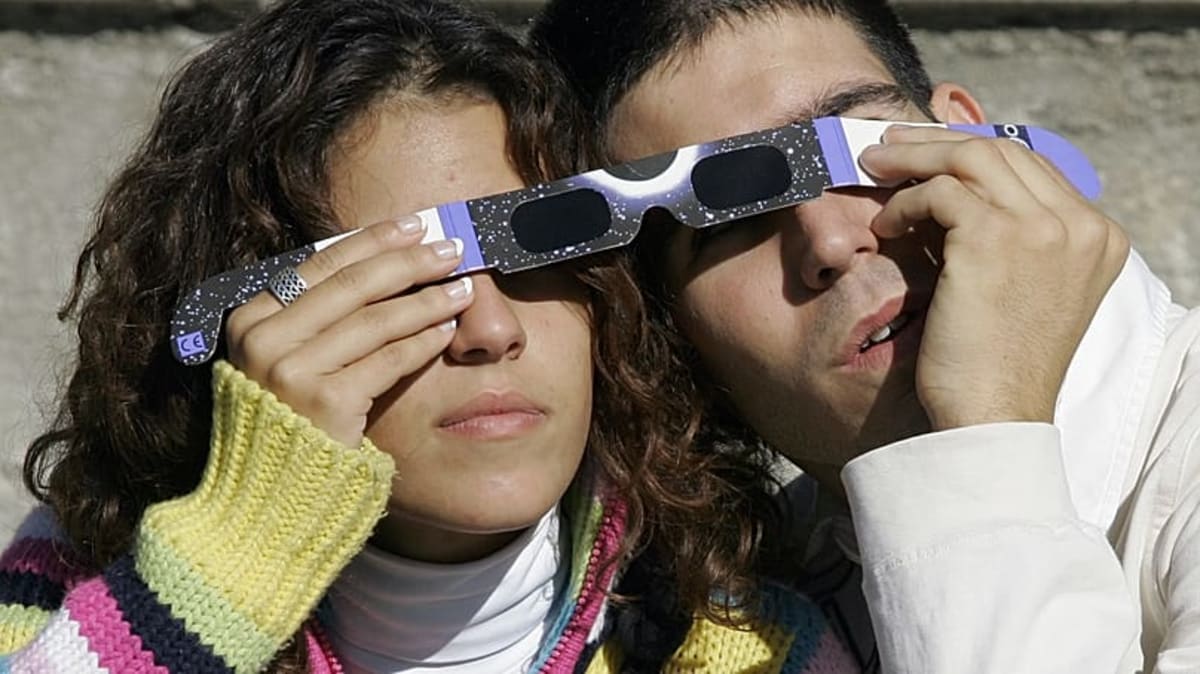
Protecting your phone turns out to be surprisingly simple and affordable. You can cut a lens from certified eclipse glasses (meeting ISO 12312-2:2015 standards) and tape it over your camera, or buy a purpose-built solar filter for under €40.
The Bright Side
This eclipse is bringing communities together in joyful preparation rather than fear. Astronomy groups across Spain are hosting viewing parties and teaching people how to safely experience this once-in-a-lifetime event, turning a potential hazard into an opportunity for education and shared wonder.
The key is keeping the filter on whenever any part of the Sun remains visible. During totality, when the Moon completely covers the Sun's disc for those precious seconds, you can briefly remove the filter to capture the glowing corona.
Photography experts recommend locking your phone's exposure and focus on the Sun, using manual mode with low ISO settings, and mounting your phone on a tripod. Time-lapse mode captures the Moon's slow progress better than real-time video during the partial phases.
The entire event will unfold over about two hours, ending shortly before 9:30 pm with the Sun low on the horizon. Anyone who stays after the eclipse ends might catch Perseid meteors streaking across the darkening sky.
This rare alignment of celestial events is reminding people that spectacular moments are worth experiencing safely and sharing widely.
More Images
Based on reporting by Euronews
This story was written by BrightWire based on verified news reports.
Spread the positivity!
Share this good news with someone who needs it