Spanish Lagoon Model Could Transform Lough Neagh's Future
A Spanish lagoon saved by becoming a legal "person" offers hope for restoring Ireland's largest lake. The groundbreaking approach has already brought over €600 million in restoration funding to Spain's Mar Menor lagoon. #
When algae blooms killed thousands of fish in Spain's Mar Menor lagoon, locals did something radical: they gave the water body legal rights.
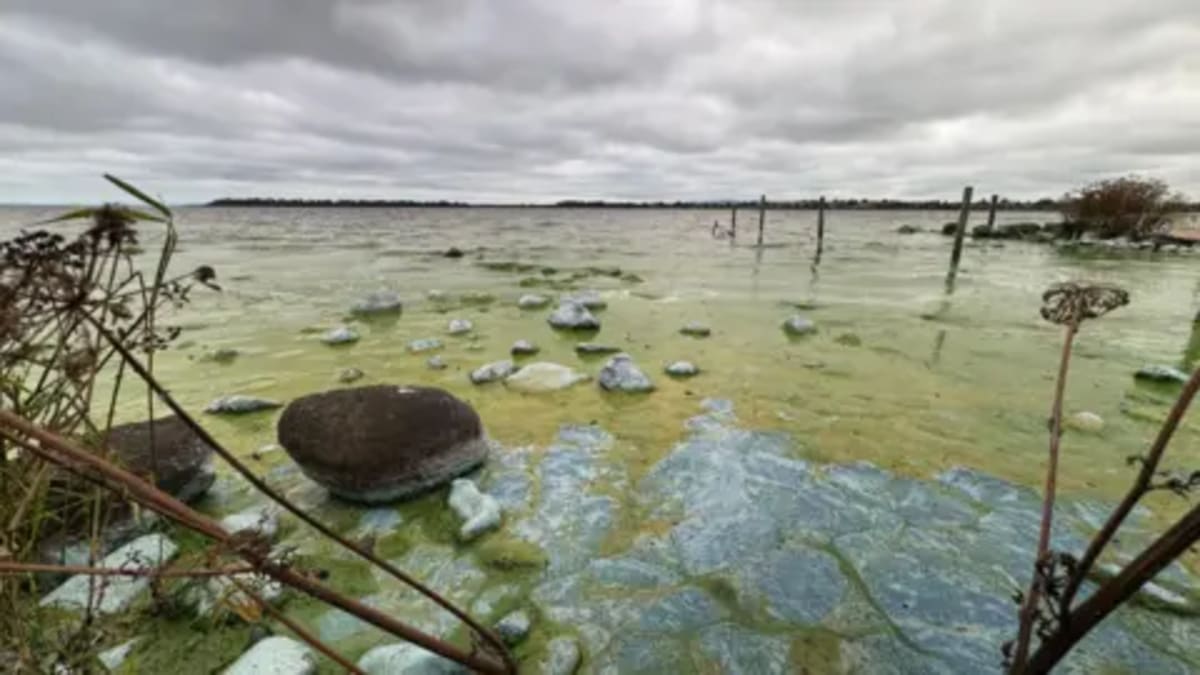
Now that same approach could rescue Lough Neagh, the largest freshwater lake in Ireland and the UK, which has suffered toxic algal blooms since 2023.
Professor Eduardo Salazar-Ortuño grew up swimming in Mar Menor. In 2016, he watched pollution from nearby farms trigger an algae explosion that suffocated 85% of the marine life. Fish washed up on shores, gasping for oxygen.
"If you have been as a child in the Mar Menor, you cannot see these images and stay the same person after," he said.
As an environmental lawyer, Salazar-Ortuño looked beyond traditional protections that had failed to save the lagoon. He found his answer in Rights of Nature, a legal framework that grants ecosystems the same standing as people in court.
The movement gained momentum fast. Over 600,000 people in Murcia signed a petition demanding the lagoon receive legal personhood. In response, Spain's parliament created something unprecedented: a guardianship allowing anyone to sue polluters on behalf of the water itself.
Mar Menor now has its own tax number and bank account. When courts order polluters to pay damages, the money goes directly toward restoration. The lagoon can essentially defend itself through human representatives, including fishermen, farmers, and environmental groups.
The impact has been dramatic. Spain's environmental ministry has invested over €600 million in restoration projects since the law passed. The ecosystem is beginning to recover.
The Ripple Effect
The success caught the attention of lawyers and activists in Northern Ireland, where Lough Neagh faces similar challenges. Like Mar Menor, the lake has official protections that haven't stopped pollution from agriculture and wastewater from poisoning its waters.
At a recent Belfast convention, fishermen, conservationists, and policymakers gathered to hear Salazar-Ortuño explain how the legal approach could work for Lough Neagh. Simon Chambers, chair of the Climate Justice Group at the Law Society of Northern Ireland, sees clear parallels.
"It has to be a solution that's going to work for everybody," Chambers said. The Rights of Nature framework could inspire a new generation of lawyers to fight for the lake in court, putting the ecosystem first rather than human development.
Ireland is already considering the concept. The Republic of Ireland is weighing a referendum to add Rights of Nature to its constitution, which could create a pathway for similar protections across the island.
For Salazar-Ortuño, the lesson is simple: changing the law changes how people think. When ecosystems have legal standing, societies must prioritize their health alongside economic interests.
This year's stormier weather has kept massive algae blooms from forming on Lough Neagh like previous summers, but the underlying pollution problem remains. The Spanish model proves there's a path forward, one that doesn't pit environmental protection against human needs but recognizes we're all part of the same ecosystem.
#
More Images

Based on reporting by BBC Science
This story was written by BrightWire based on verified news reports.
Spread the positivity!
Share this good news with someone who needs it