Madagascar Reforestation Bringing Wildlife Back to Rainforest
Scientists in Madagascar have discovered that lemurs, birds, and other wildlife are already returning to newly replanted rainforest areas, offering hope for the island's struggling ecosystems. Using cameras and audio recorders, researchers found that even young reforested sites are attracting the seed-dispersing animals crucial for forest regeneration.
Lemurs, birds, and fruit bats are moving back into replanted sections of Madagascar's rainforest, proving that restoration efforts can bring ecosystems back to life faster than expected.
Researchers from the Swedish University of Agricultural Sciences placed motion-triggered cameras and audio recorders across five sites in Madagascar's eastern rainforest region. They wanted to answer a critical question: would wildlife return to areas where humans are actively replanting trees?
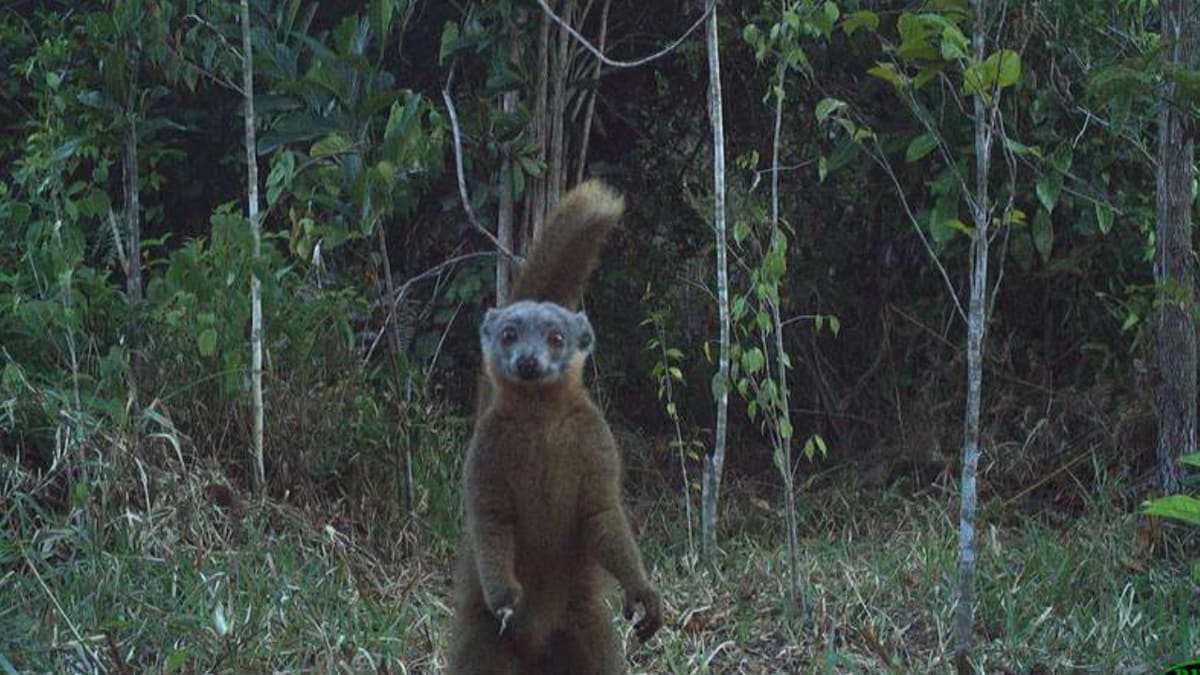
The answer is a resounding yes. The team identified 78 percent of expected seed-dispersing species at the sites, including some animals never before recorded in those locations. These creatures play a vital role in forest health by eating fruit and spreading seeds through their droppings, essentially planting the next generation of trees.
Cameras positioned in tree canopies captured more species than ground-level cameras, revealing just how many animals depend on the forest's vertical layers. The footage showed lemurs with babies, colorful Madagascar green pigeons, and fruit-eating bats all moving through the replanted areas.
What makes this discovery particularly encouraging is how young most of the reforested sites are. Madagascar has lost vast stretches of rainforest to logging and agriculture, leaving cleared areas that struggle to regenerate naturally. Fires and livestock grazing prevent new growth, and seed-dispersing animals typically avoid these barren zones.
But when people actively replant native trees, wildlife follows. PhD student Mahefa Andriamavosoloarisoa, who led the fieldwork, found seed dispersers present in replanted areas at every single study site. These animals included primates, birds, fruit bats, and the elusive Malagasy civet.
The Ripple Effect
The return of seed-dispersing animals creates a positive feedback loop for forest recovery. As these creatures move through replanted areas, they deposit seeds from fruits they've eaten elsewhere, introducing new plant species and genetic diversity. This natural process helps young forests develop the complex structure of mature rainforests more quickly.
The research also demonstrates that successful restoration requires more than just planting trees. Forests need their ecological functions restored too, including the animals that spread seeds, pollinate flowers, and maintain the nutrient cycle.
For conservation managers working with limited budgets, the study offers practical tools. Combining camera traps at different heights with acoustic recorders provides a complete picture of which species are using restored areas, allowing teams to adjust their strategies based on real data.
Madagascar remains one of Earth's biodiversity hotspots, home to species found nowhere else on the planet. Most lemur species face extinction in the wild, making every successful restoration project critical for their survival.
Seeing wildlife return to forests that were once cleared wastelands proves that nature can bounce back when given the right support.
Based on reporting by Google News - Reforestation
This story was written by BrightWire based on verified news reports.
Spread the positivity!
Share this good news with someone who needs it