Spanish Scientists Turn Fish Scales Into Working Corneas
Researchers in Spain have created transparent corneal implants from discarded fish scales that could help thousands waiting for eye transplants. The breakthrough transforms fishing industry waste into life-changing medical technology.
Scientists at Spain's University of Granada have discovered that something fishmongers throw away every day could restore sight to people with damaged corneas.
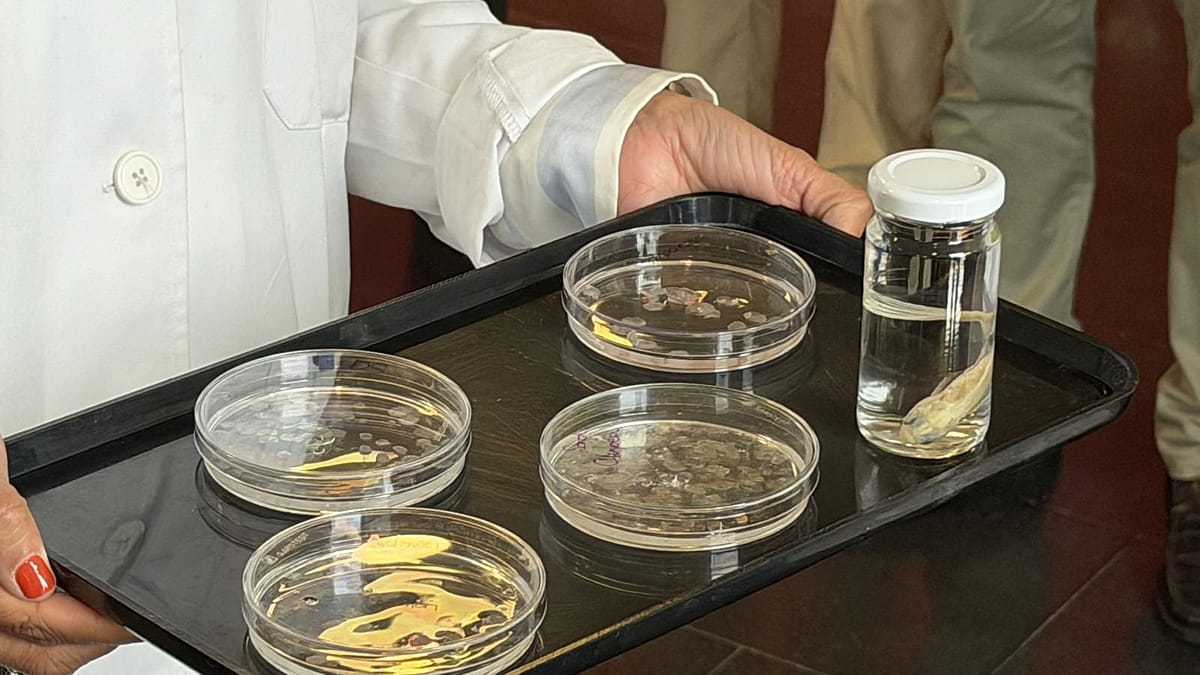
After years of analyzing carp and other common fish scales, the research team has developed transparent, biocompatible implants that successfully repair damaged eyes. The breakthrough has already shown promising results in laboratory tests and animal trials.
The timing couldn't be better. Cornea damage is notoriously difficult to treat because the clear outer layer of the eye heals poorly and has no direct blood supply. Doctors usually have just one option: a full transplant using donor tissue.
But donor corneas are desperately scarce. Thousands of patients wait on transplant lists while their vision deteriorates, hoping someone will donate the tissue they need.
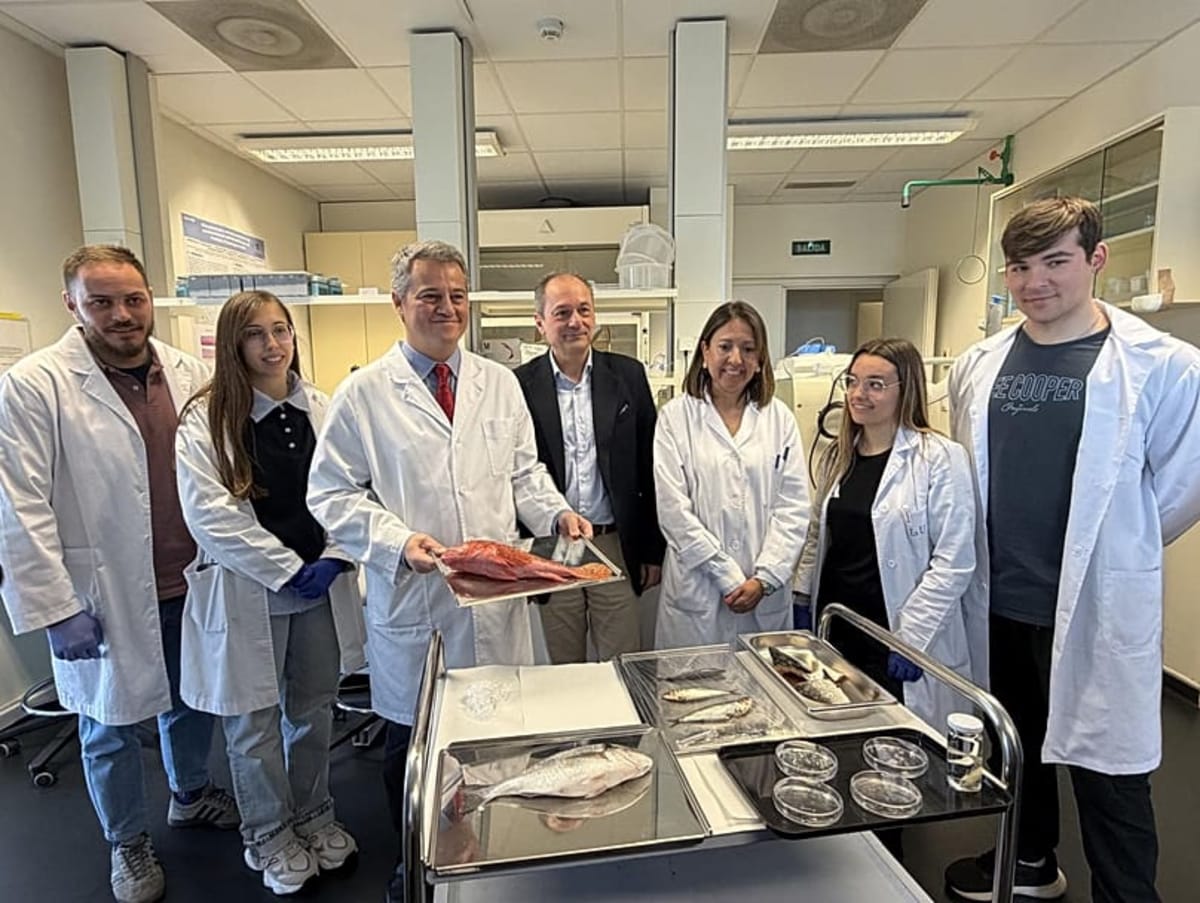
"It is necessary to develop new effective methods of regeneration that do not depend on organ donation," said Miguel Alaminos, professor of Histology at the University of Granada and lead researcher on the project. His team's solution sidesteps the donation problem entirely.
The research, published in Materials & Design, describes how the team transformed discarded fish scales into a biomaterial with all the properties needed for corneal repair. The implants are durable, transparent, and accepted by living tissue without rejection.
The Ripple Effect
The discovery creates winners beyond hospital waiting rooms. Fish scales are currently a waste product from the fishing industry, often simply thrown away after processing.
Converting this refuse into medical-grade implants gives it economic value while reducing waste. Ingrid Garzón, professor of Histology at Granada and researcher at the ibs.GRANADA Biosanitary Research Institute, points out the material is "very accessible, easy to obtain and inexpensive, and could contribute to boosting the fishing sector."
Spain's fishing communities face mounting restrictions and economic pressures. This innovation could open a new revenue stream from material they currently discard.
The research was funded by the Instituto de Salud Carlos III and presented at Hospital Clínico San Cecilio de Granada, where clinical staff showed strong interest in advancing the work.
The team is clear that their fish-scale corneas aren't ready for operating rooms yet. Human clinical trials still lie ahead, a process requiring years of careful testing and regulatory approval.
But they've proven the concept works on biological and structural levels. The material performs as needed in controlled conditions and living tissue.
In a medical field where donor shortages remain stubbornly unsolvable, that's progress worth celebrating.
More Images


Based on reporting by Euronews
This story was written by BrightWire based on verified news reports.
Spread the positivity!
Share this good news with someone who needs it