
Sperm Whales Use Vowels Like Humans, Study Finds
Scientists discovered that sperm whale communication mirrors human language structure, including vowels and tonal patterns remarkably similar to our speech. The finding reveals these ocean giants share more with us than anyone imagined.
Scientists just unlocked something extraordinary about sperm whales: they communicate using structures strikingly similar to human language, complete with vowels and tonal patterns that mirror how we speak.
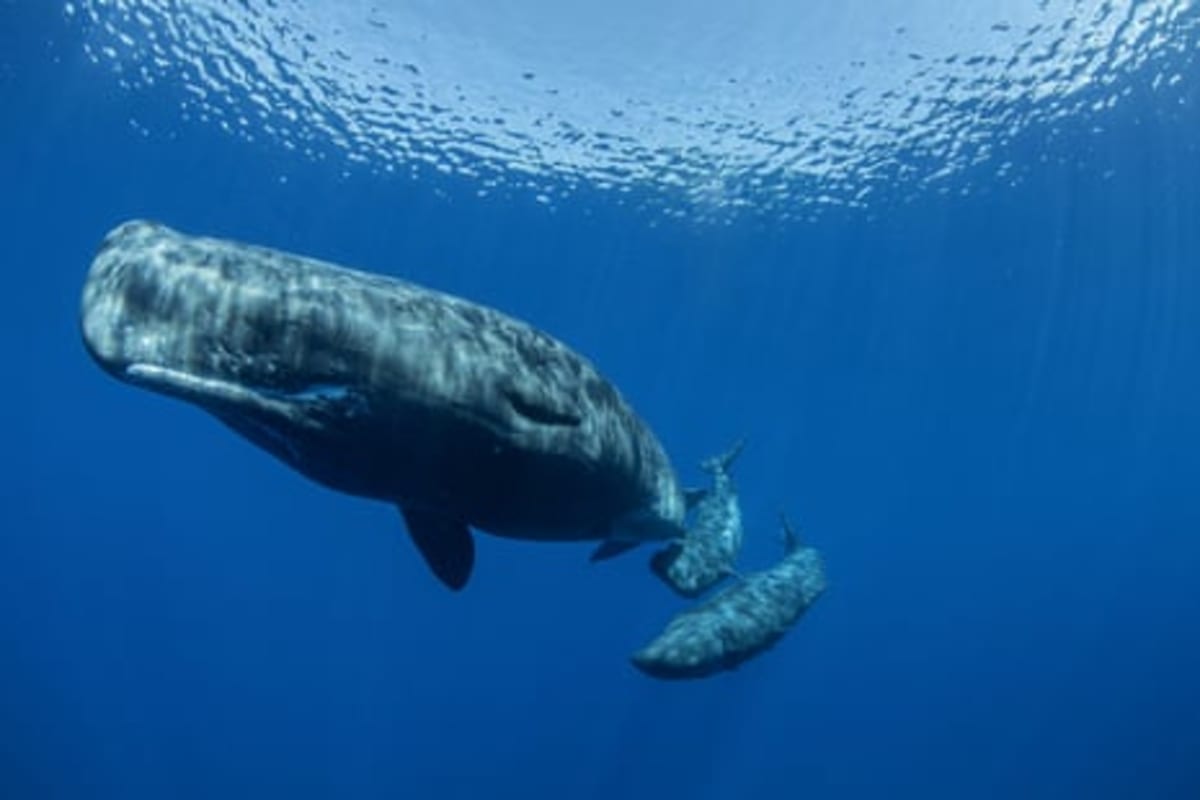
Researchers with Project CETI have been studying sperm whales off the coast of Dominica, listening closely to their short clicking sounds called codas. What they discovered challenges everything we thought separated human communication from the animal kingdom.
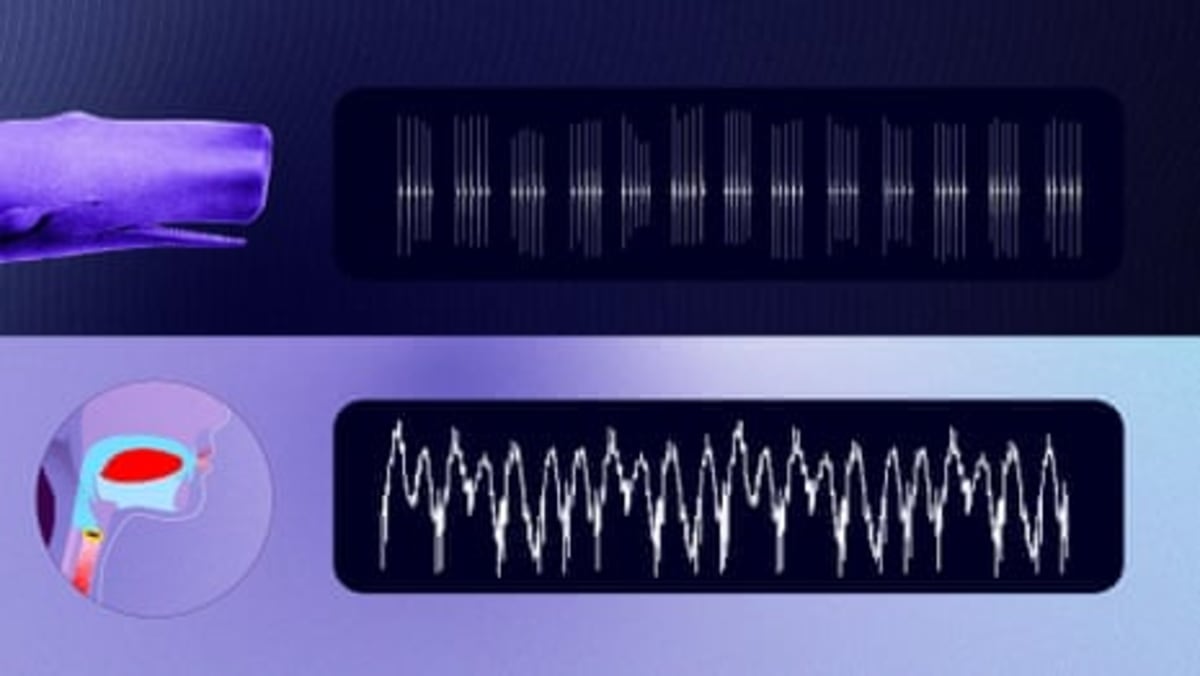
The whales create different vowel sounds by changing the length and tone of their clicks, just like humans alter vocal cords to shift from an "A" to an "E" sound. They use rising and falling tones similar to languages like Mandarin and Slovenian.
"I think it's another humbling moment that we're not the only species with rich, communicative, communal and cultural lives," said David Gruber, founder and president of Project CETI. These whales may have been passing information through generations for over 20 million years.
The research team faced unique challenges studying these creatures. Sperm whales dive deep underwater for up to 50 minutes hunting squid, only surfacing for 10 minutes at a time to breathe and chat.
That's when the magic happens. The whales put their heads close together and click directly into each other's heads, having what Gruber calls sophisticated conversations.
Why This Inspires
This discovery shows intelligence and complex communication evolved completely independently in creatures living vastly different lives from ours. While we walk on land, sperm whales float in oceans and sleep vertically in the water.
Yet the parallels are profound. Sperm whales have grandmas who babysit each other's calves, they give collaborative births, and they maintain cultural traditions across countless generations.
Linguist Gašper Beguš, who led the study published in Proceedings B journal, said this level of complexity surpasses anything found in parrots or elephants. The whales' communication represents "one of the closest parallels to human phonology of any analyzed animal communication system."
Modern technology, including artificial intelligence, made this breakthrough possible. Until the 1950s, scientists didn't even know sperm whales vocalized.
Project CETI has set an ambitious goal: understand 20 different whale expressions related to diving, sleeping, and other activities within five years. Actually conversing with whales might take longer, but Gruber believes it's totally within reach.
"At the moment we are like a two-year-old, just saying a few words," he said. "In a few years' time, maybe we will be more like a five-year-old."
More Images


Based on reporting by Google News - Science
This story was written by BrightWire based on verified news reports.
Spread the positivity!
Share this good news with someone who needs it

%2Fhttps%3A%2F%2Ftf-cmsv2-smithsonianmag-media.s3.amazonaws.com%2Ffiler_public%2F3b%2Ff9%2F3bf963ae-c158-4aa5-bf52-4165a34fdef3%2Fhairy-new-fish-species-1.jpg)