Spokane Mobilizes: Zero Deaths Despite 700-Home Wildfire
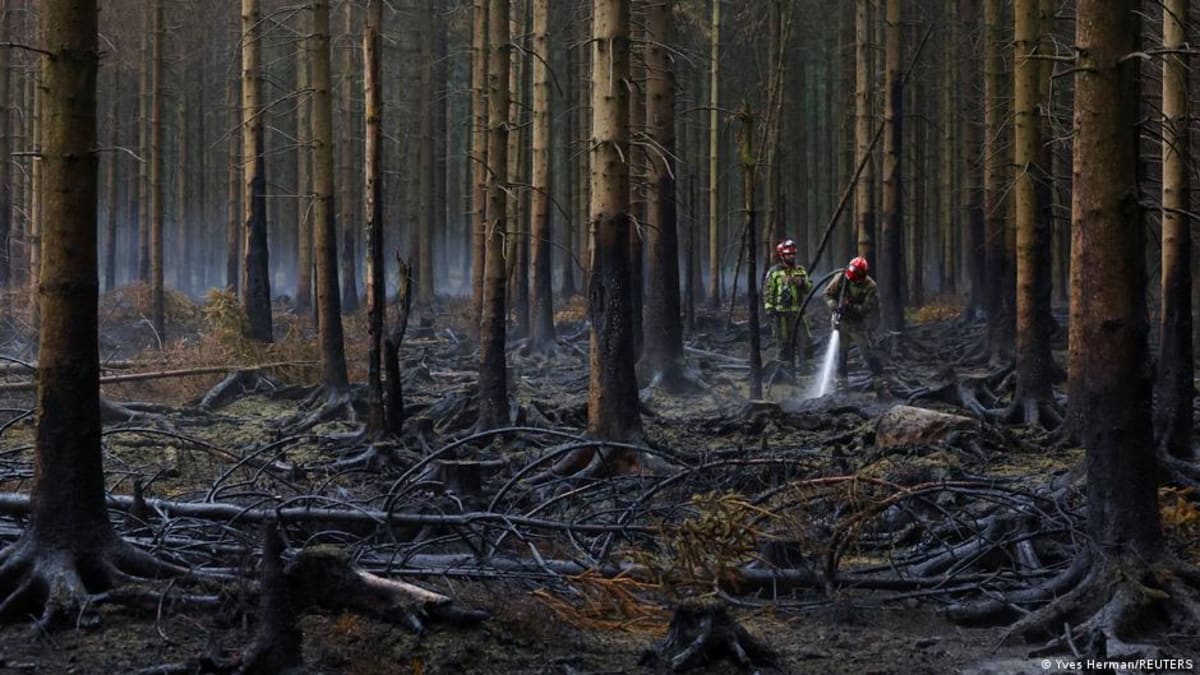
When three wildfires tore through Spokane Valley over the weekend, emergency responders pulled off something remarkable. Despite 700 buildings destroyed and 65,000 residents evacuated, coordinated efforts resulted in zero fatalities and no missing persons.
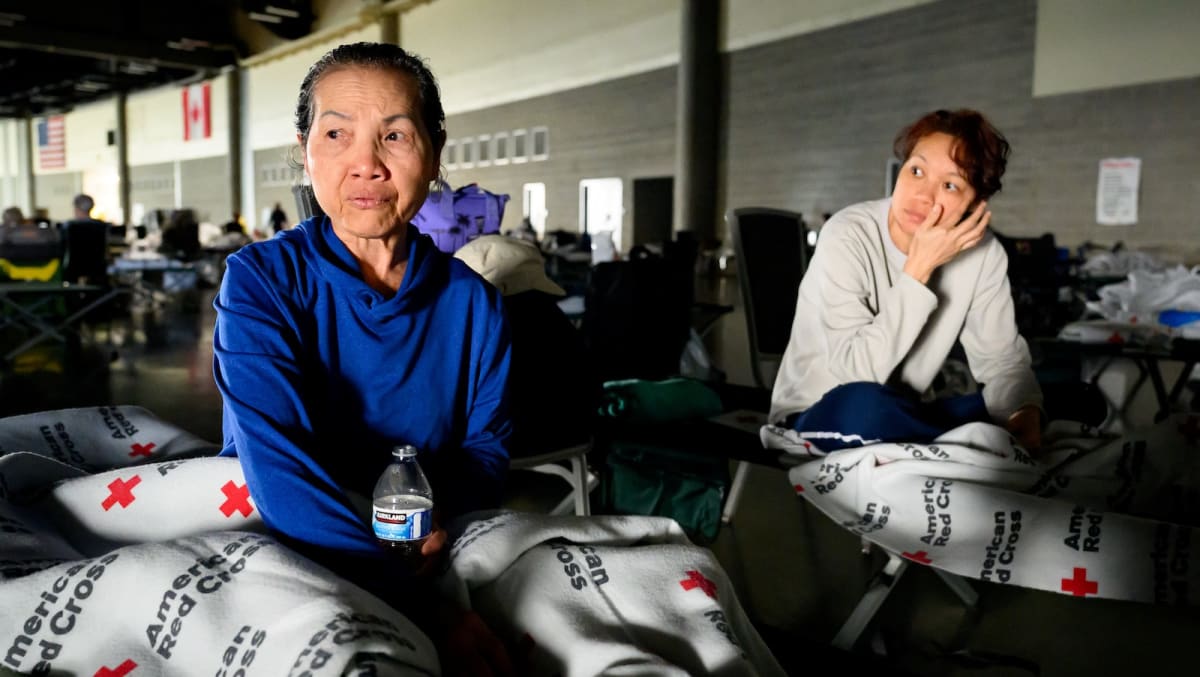
Hundreds of families slept on cots at the Spokane Convention Center on Monday night, but every single one of them was alive.
Three massive wildfires had destroyed more than 700 buildings in Spokane Valley over the weekend, forcing 65,000 Washington residents to flee their homes. Yet in what City Council member Kitty Klitzke called "a miracle," emergency teams hadn't lost a single person.
The successful evacuations happened despite challenging conditions. Many affected neighborhoods had only two exit routes, with steep terrain and winding cul-de-sacs that slowed emergency access. Thousands of residents, many of them elderly with caretakers, had to navigate traffic jams while watching homes burn around them.
Red Cross teams transformed the convention center into a fully functional shelter within hours. Nurses and volunteers moved between rows of cots, ensuring mothers with babies and elderly residents had blankets, food, and medical attention. The air outside burned eyes with thick smoke, but inside, everyone was safe.
"We're making sure the hundreds of evacuees have what they need," said Betsy Robertson, a Red Cross communications director who's spent 10 years responding to disasters across Washington.
The coordination extended across the entire state, where wildland firefighters battled hundreds of blazes simultaneously. Despite Washington experiencing its most active fire season on record, emergency response systems kept communities informed and moving to safety.
The Bright Side
The zero-fatality outcome showcases how much emergency preparedness has evolved. Coordinated evacuation systems, real-time communication networks, and trained volunteer networks made the difference when minutes mattered most.
Weather forecasters at AccuWeather and fire officials are now working together more closely than ever, giving communities earlier warnings. Wildfire public information officers like Benjamin Cossel are being deployed from other states, creating a nationwide support network for overwhelmed regions.
The lessons learned from previous fire seasons, including the 2025 Los Angeles fires that displaced 200,000 residents, are directly improving response capabilities. Cities are identifying vulnerable neighborhoods earlier and planning multiple evacuation routes.
Spokane's experience proves that even when we can't prevent every disaster, we can protect every life.
More Images


Based on reporting by Grist
This story was written by BrightWire based on verified news reports.
Spread the positivity!
Share this good news with someone who needs it