Spring Equinox Could Supercharge Northern Lights This Weekend
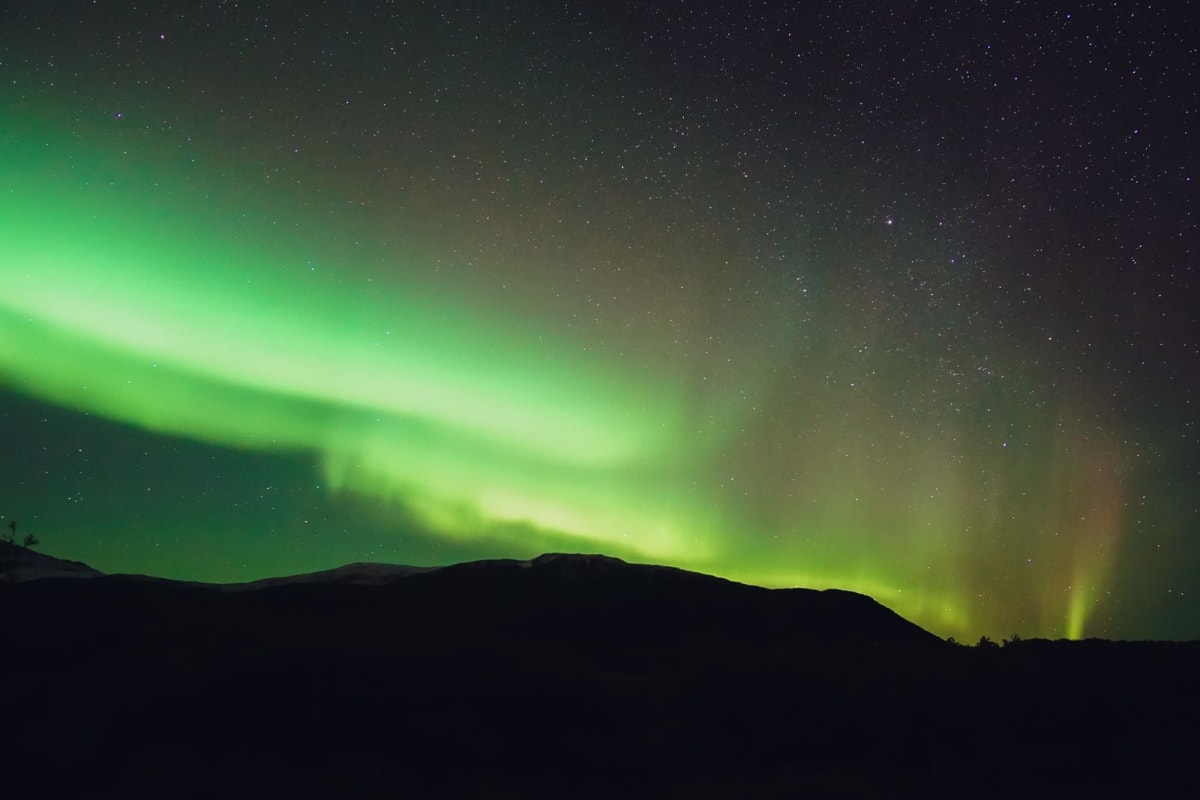
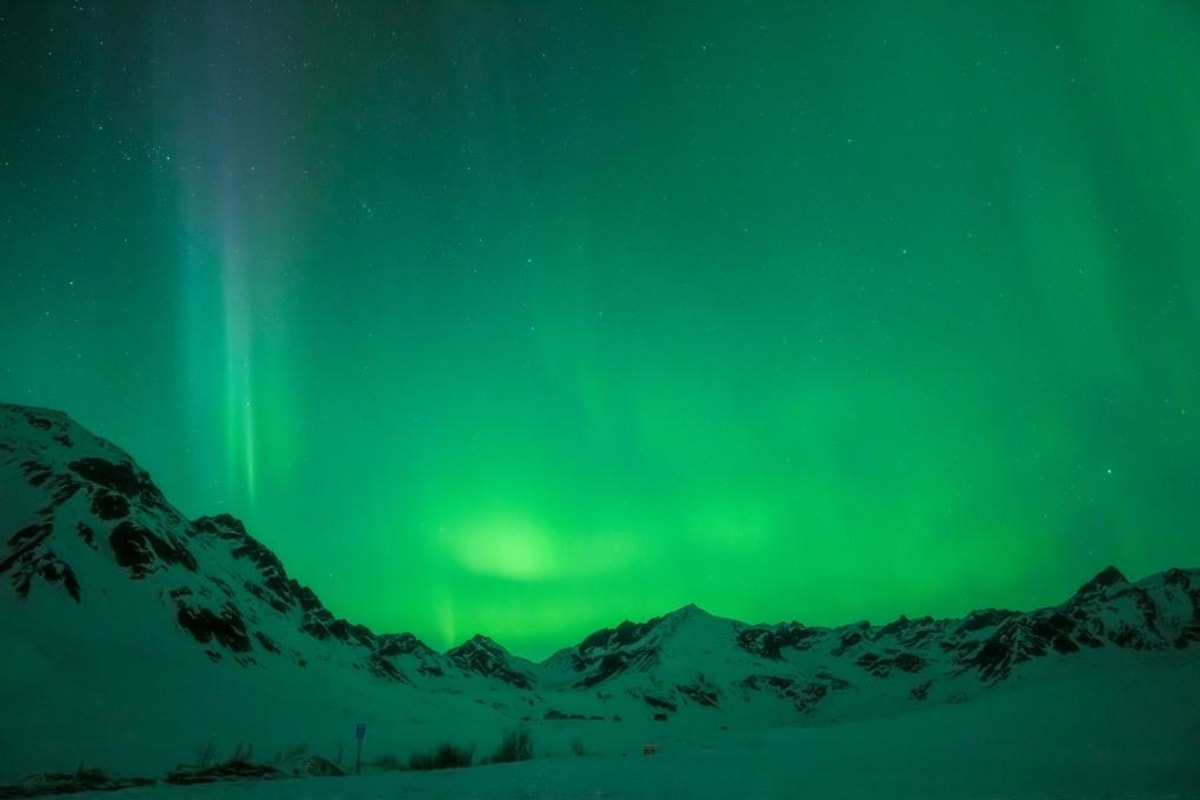
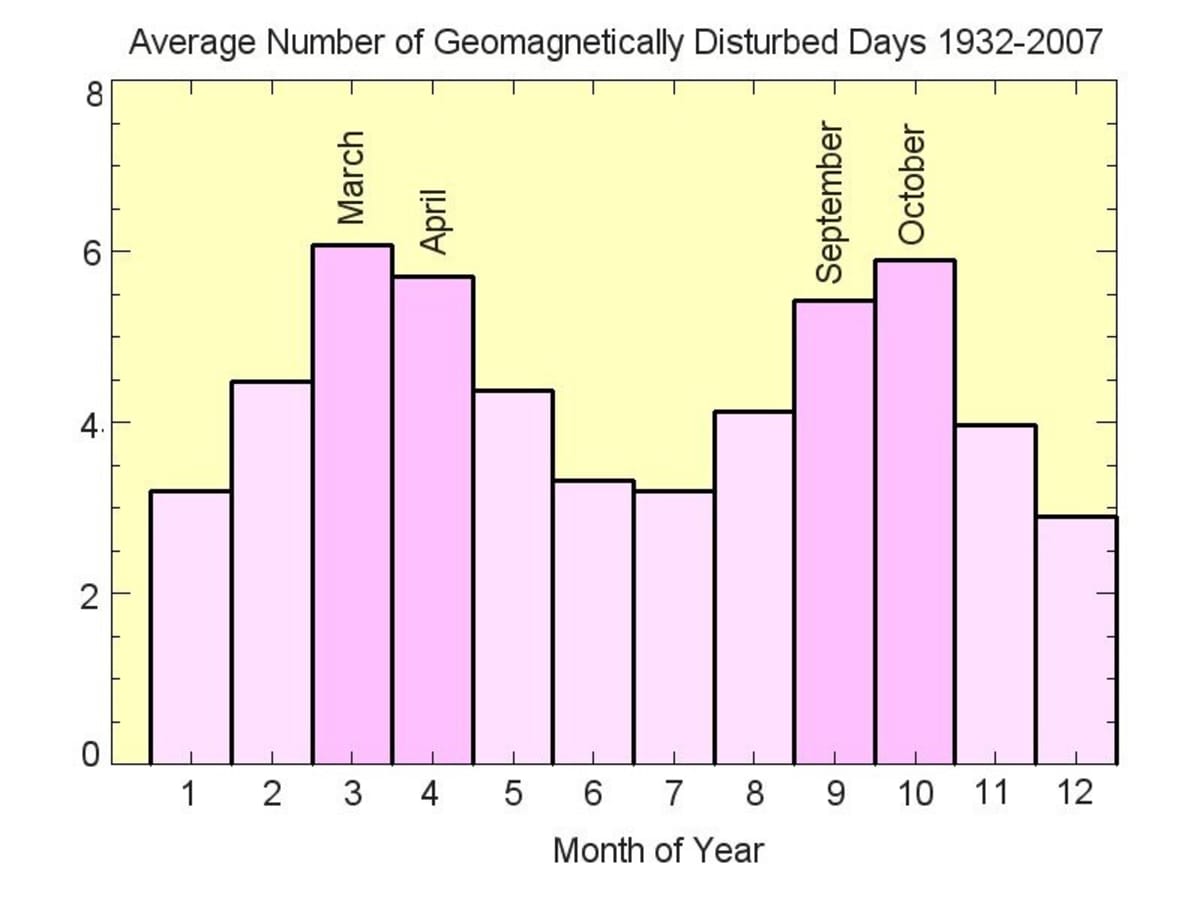
A rare cosmic alignment between incoming solar storms and the spring equinox could deliver spectacular northern lights displays this weekend, visible much farther south than usual. Scientists say March and September are nature's best months for aurora chasing, and this weekend proves why.
If you've been dreaming of seeing the northern lights, this weekend might be your lucky break.
A series of solar storms is headed our way just as Earth reaches the spring equinox on March 20, creating perfect conditions for dazzling aurora displays. NOAA's Space Weather Prediction Center has issued a moderate geomagnetic storm watch through March 21, with chances the lights could reach viewers at mid-latitudes who rarely get to witness this celestial show.
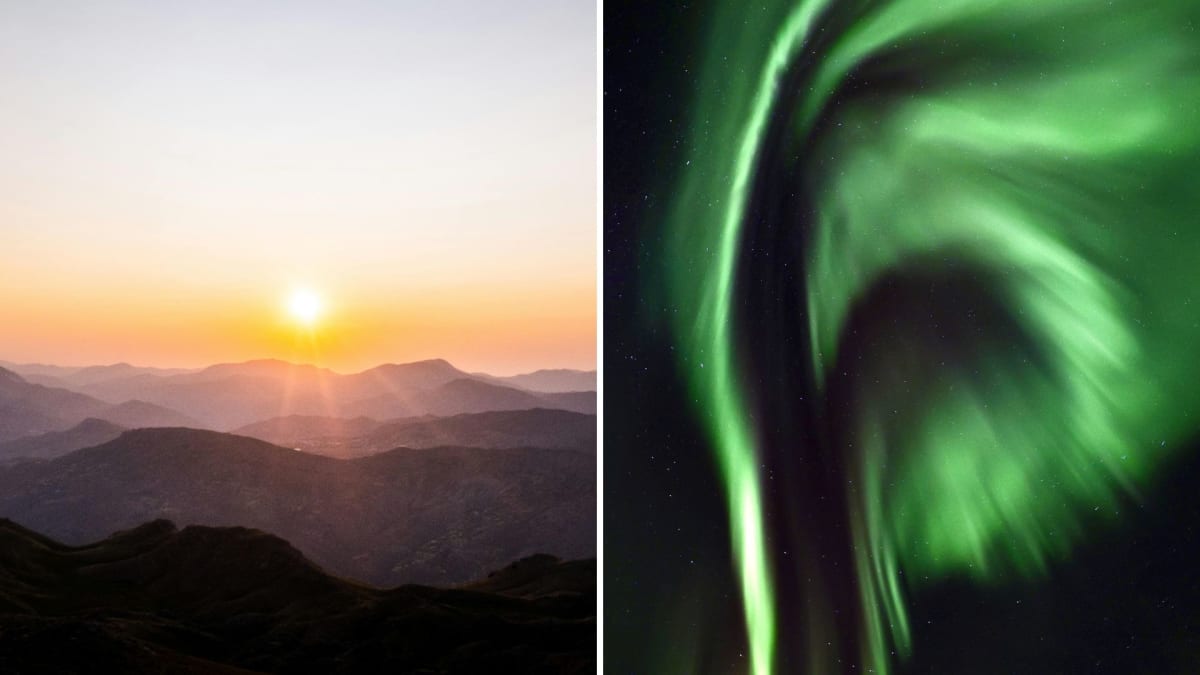
The timing couldn't be better. During the spring and fall equinoxes, Earth's tilted axis positions our magnetic field at just the right angle to catch incoming solar energy more effectively. Think of it like opening a door at the perfect moment to let a breeze flow through.
Scientists call this seasonal boost the Russell-McPherron effect, named after the two geophysicists who first explained it in 1973. When the sun shines directly over Earth's equator during the equinox, our planet's magnetic field lines up more favorably with the magnetic field carried by solar wind and eruptions from the sun's surface.
That alignment means more energy gets funneled into Earth's magnetosphere, making geomagnetic storms stronger and auroras more intense. The same solar burst that might create a modest light show in January could spark a spectacular display in March or September.
Multiple coronal mass ejections are racing toward Earth alongside fast solar wind streams right now. Combined with the equinox effect, conditions are primed for a memorable weekend in the sky.
Why This Inspires
This cosmic dance reminds us that some of nature's most beautiful moments happen when timing and conditions align perfectly. The fact that scientists can now predict these events gives millions of people the chance to witness something that once seemed completely mysterious and magical.
Aurora displays have captivated humans for thousands of years, inspiring myths and wonder across cultures. Today, we understand the science behind the lights, yet they've lost none of their power to make us feel small, amazed, and deeply connected to the universe around us.
The lights themselves remain unpredictable. If the magnetic field carried by the solar wind points southward, it connects easily with Earth's northward field and supercharges the show. If it points northward, our magnetic field blocks much of the energy, and the display fizzles.
That uncertainty makes aurora chasing an adventure, requiring patience, hope, and a willingness to stay up late scanning dark skies. But when those dancing ribbons of green, pink, and purple finally appear, every cold night of waiting becomes worth it.
So charge your cameras, download an aurora alert app, and keep your eyes on the sky this weekend.
More Images
Based on reporting by Space.com
This story was written by BrightWire based on verified news reports.
Spread the positivity!
Share this good news with someone who needs it