Sri Lanka Trains 70 Workers in Peace-Building Skills
Workers in Sri Lanka are learning to turn local concerns into real policy change through a UNESCO program that teaches dialogue and advocacy skills. Nearly 70 community members just completed training that helps them present issues to government officials and resolve conflicts peacefully. #
Workers in Sri Lanka are learning to turn local concerns into real policy change through a UNESCO program that teaches dialogue and advocacy skills.
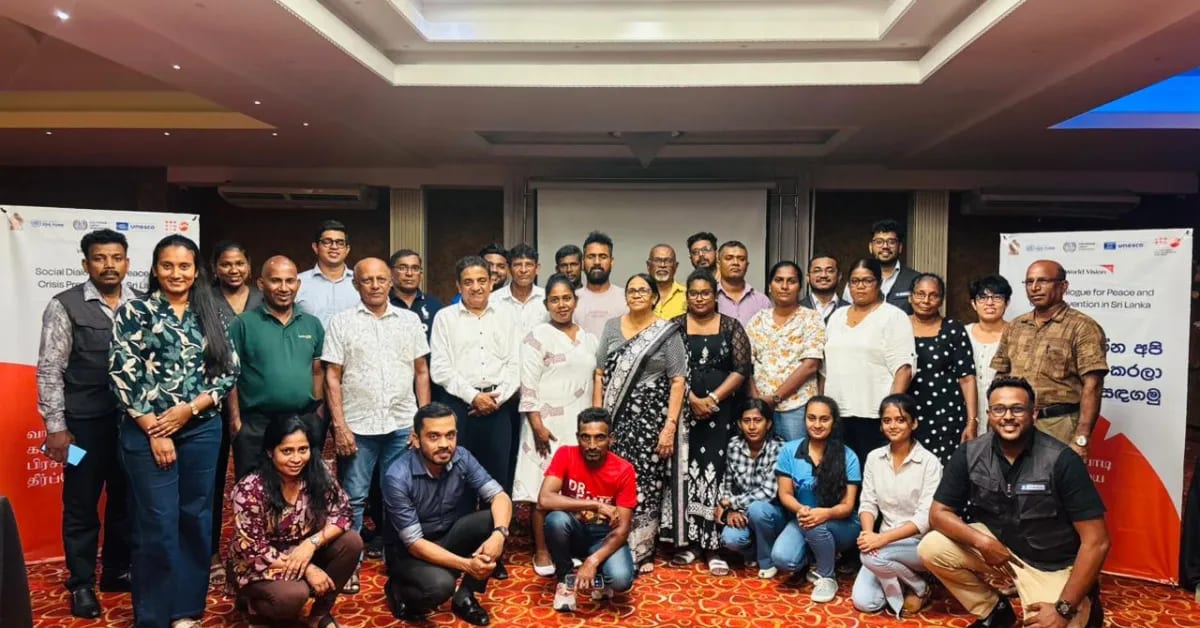
Nearly 70 community members across three districts just completed Phase II of a capacity-building program focused on policy literacy and intercultural dialogue. The training helps participants understand how policy works, identify the right officials to contact, and present community needs with evidence and clarity.
The timing matters deeply. Sri Lanka continues recovering from its economic crisis, with two-thirds of workers in the informal economy facing rising insecurity and unequal access to decision-making. Women and vulnerable groups shoulder the heaviest burdens in agriculture, fisheries, and plantations.
The program's simple invitation appears in training rooms across the country in both Sinhala and Tamil: "Come, let's talk and solve it." That message captures what communities need most during recovery: safe channels for concerns, practical ways to surface disputes, and routes for local voices to reach institutions.
UNESCO partnered with the Centre for Poverty Analysis and Coalition for Inclusive Impact to deliver training in Badulla, Batticaloa, and Gampaha. Participants practiced actor mapping, issue prioritization, and building rights-based arguments grounded in evidence.
The approach builds on Phase I, when 183 members from 33 community forums learned conflict sensitivity and intercultural dialogue skills. Those earlier sessions taught participants how disagreements emerge and how differences in language, identity, gender, or livelihood affect participation. Post-training surveys found 90 percent satisfaction with content and 88 percent reported stronger understanding of workplace forums.
One member from Batticaloa shared: "I gained a clear understanding of how to identify conflicts and resolve them through dialogue." A plantation worker from Badulla noted the training helped with "better framing the conflicts we face, identifying the right authority to direct the issues, and evidence-based advocacy."
The Ripple Effect
The combination of dialogue skills and policy literacy creates something powerful. Community members move beyond isolated complaints to analyze the relationships and institutional pathways behind local problems. They're not just learning to listen across differences but also to frame issues in ways that support practical action.
The initiative receives financial support from the UN Peacebuilding Fund and guidance from Sri Lanka's Ministry of Public Administration. By investing in community forums, the program helps recovery become more than economic. It's building the local capacity needed for inclusion, conflict sensitivity, and social cohesion.
Forum members are now preparing for upcoming dialogues with government officials, ready to present priority issues clearly and constructively.
Communities that learn to talk across differences and engage with institutions plant seeds for lasting peace.
#
More Images



Based on reporting by Google News - Recovery Story
This story was written by BrightWire based on verified news reports.
Spread the positivity!
Share this good news with someone who needs it